
How Borrelia Evades the Immune System
Borrelia burgdorferi, the bacterium responsible for Lyme disease, has developed strategies that allow it to persist in the body despite immune responses and standard treatment.
To better understand this process, Embers and colleagues studied infection in rhesus macaques—an animal model that closely reflects human Lyme disease.
A Model That Mirrors Human Infection
Rhesus macaques were selected because they provide one of the most accurate representations of human infection and treatment response.
After inoculation with B. burgdorferi, a subset of animals was treated with a standard 28-day course of doxycycline four months after infection.
Low-Level Persistence Over Time
The investigators found that Lyme disease can be difficult to detect, even when infection persists.
“Lyme can be an insidious disease, with low numbers of spirochetes spread throughout the body,” the authors note.
More than one year after infection, detection of the organism was infrequent—regardless of whether antibiotic treatment had been given.
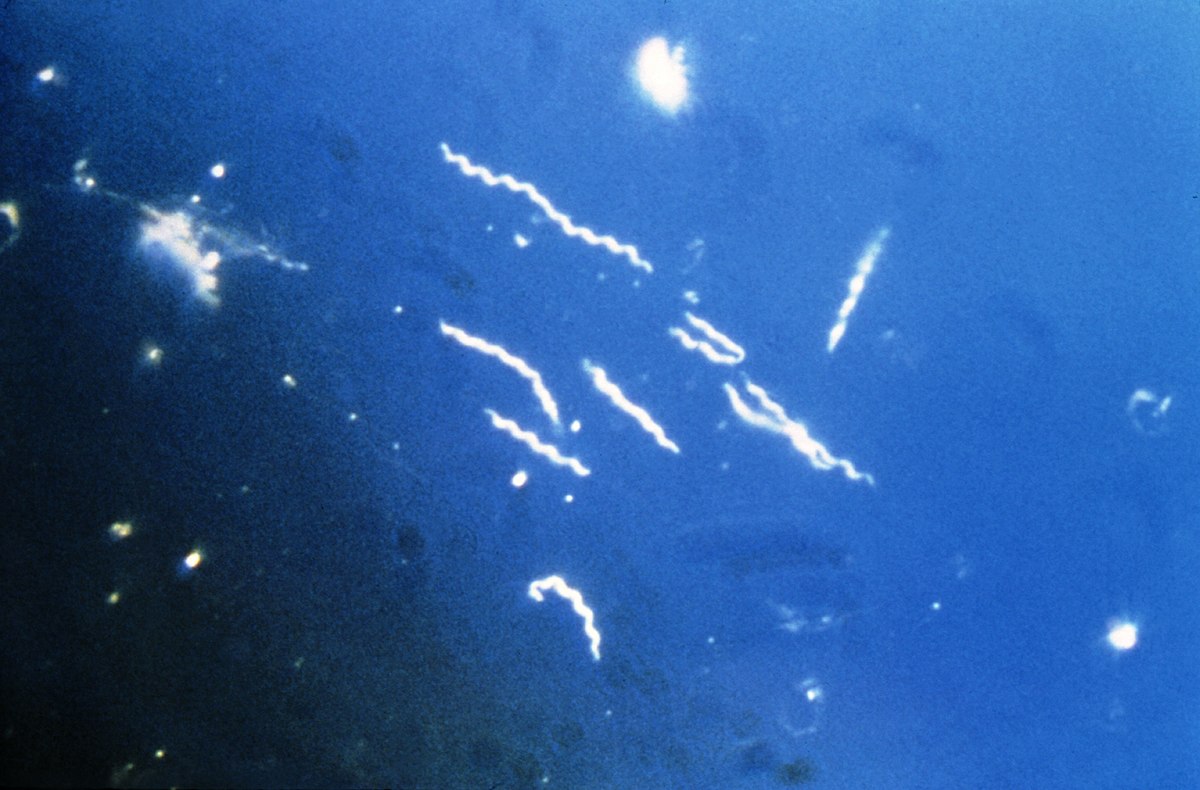
Evidence of Persistent Infection
Despite low detectability, the study found evidence of persistent, metabolically active bacteria.
“We observed evidence of persistent, intact, metabolically-active B. burgdorferi after antibiotic treatment,” the authors report.
This finding raises questions about how the organism survives and avoids complete clearance.
Immune Response May Decline Despite Persistence
Interestingly, persistence did not always correlate with sustained antibody responses.
“Persistence may not be reflected by maintenance of specific antibody production,” the authors explain, noting declines in C6 antibody levels even in some untreated animals.
This suggests that absence of strong antibody signals does not necessarily indicate absence of infection.
For a broader discussion of these mechanisms, see Persistent Lyme Disease Mechanisms.
Clinical Implications
This study highlights the complexity of Lyme disease and the challenges in detecting and treating persistent infection.
Further research is needed to better understand immune evasion strategies and to develop more effective treatment approaches.
Clinical Takeaway
B. burgdorferi may persist at low levels and evade immune detection, which can complicate both diagnosis and treatment decisions.
Related Articles:
Persister cells in Lyme disease
Pain and fatigue after treatment
Spirochete motility and treatment
References:
- Embers ME, Hasenkampf NR, Jacobs MB, et al. Persistent infection in non-human primates exposed to Borrelia burgdorferi. PLoS One. 2017;12(12):e0189071.
Dr. Daniel Cameron, MD, MPH
Lyme disease clinician with over 30 years of experience and past president of ILADS.
Symptoms • Testing • Coinfections • Recovery • Pediatric • Prevention