What Can Be Mistaken for Hot Flashes? Menopause, Babesia & Lyme Disease
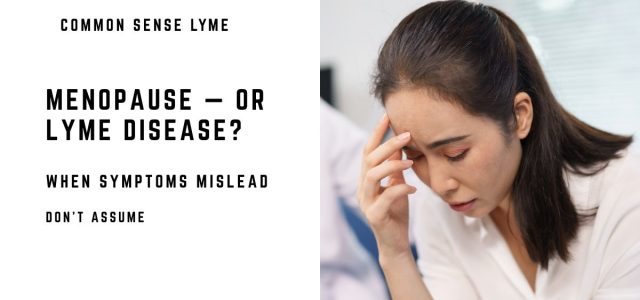
What can be mistaken for hot flashes? Menopause and perimenopause are common causes, but they are not the only explanations. Infections, thyroid disease, medication effects, anxiety, cancer, autoimmune disease, and tick-borne illnesses such as Babesia and Lyme disease can sometimes cause similar symptoms.
A woman in her mid-40s noticed worsening fatigue, disrupted sleep, night sweats, palpitations, and rising anxiety. Brain fog interfered with her ability to focus. Exercise that once felt manageable now left her breathless.
She was told it was menopause.
That explanation made sense, but it did not explain everything she was experiencing. For months, she adjusted her expectations, managed her sleep, and assumed her body was simply changing. It was only later, after symptoms continued to escalate, that another possibility was considered.
Being misdiagnosed as menopause may be more common than many women realize. Hormonal transition can cause real and distressing symptoms, but not every midlife symptom is hormonal.
Why Hot Flashes Are Often Attributed to Menopause
Menopause and perimenopause are familiar and expected diagnoses for women in their 40s and 50s. Hot flashes, sleep disruption, mood changes, and cognitive complaints are well described.
Because of this overlap, new or worsening symptoms may be attributed to hormonal change without further investigation. The explanation can feel reassuring: this is normal, this will pass, your body is doing what it is supposed to do.
But hormonal transition should be a diagnosis of consideration—not a reason to stop looking. When menopause becomes shorthand for “nothing else to evaluate,” treatable conditions can be missed.
Other Conditions That Can Mimic Hot Flashes
Hot flashes and night sweats can have many causes. Menopause is common, but clinicians may also consider other medical explanations depending on the full symptom pattern.
- Perimenopause or menopause: The most common explanation for hot flashes in midlife women.
- Thyroid disease: Hyperthyroidism can cause heat intolerance, sweating, palpitations, anxiety, and weight changes.
- Medication effects: Some antidepressants, hormone medications, steroids, and other drugs may trigger flushing or sweating.
- Anxiety or panic episodes: These may cause flushing, sweating, palpitations, and shortness of breath.
- Infections: Some infections can cause night sweats, fever, chills, and fatigue.
- Babesia: A tick-borne parasitic infection that can cause drenching night sweats, chills, fatigue, palpitations, and air hunger.
- Lyme disease and co-infections: These may cause temperature dysregulation, fatigue, brain fog, pain, and autonomic symptoms.
- Other medical conditions: Cancer, autoimmune disease, and endocrine disorders may also need consideration when symptoms are severe or unexplained.
The pattern matters. Brief flushing episodes may fit menopause, while drenching night sweats with chills, air hunger, severe fatigue, or marked exercise intolerance should prompt a broader evaluation.
Signs That Something Else May Be Contributing
Certain features should prompt a closer look.
Fatigue from hormonal transition tends to fluctuate. Illness-related fatigue is often crushing and unrelenting, present from waking and unrelieved by rest.
Night sweats may be drenching rather than brief hot flashes. Shortness of breath or air hunger is not typical of uncomplicated menopause. Cognitive symptoms may come and go unpredictably rather than improve with sleep or stress reduction.
When symptoms escalate quickly, feel disproportionate, or fail to respond to hormonal support or lifestyle changes, another cause should be considered—even if menopause is also playing a role.
Menopause vs Babesia Symptoms
In tick-endemic areas, Babesia deserves consideration when “hot flashes” are actually drenching sweats accompanied by systemic symptoms.
| Symptom pattern | More typical of menopause | May suggest Babesia or another cause |
|---|---|---|
| Sweating | Brief hot flashes | Drenching night sweats soaking clothing or bedding |
| Breathing | Not usually a dominant symptom | Air hunger or unexplained shortness of breath |
| Fatigue | Fluctuating tiredness | Crushing fatigue unrelieved by sleep |
| Heart symptoms | Occasional palpitations may occur | Palpitations with fever, chills, dizziness, or infection symptoms |
| Pattern over time | Gradual hormonal transition | Sudden onset or progressive worsening after outdoor exposure |
| Response to treatment | May improve with hormonal support | Persists despite hormone therapy or lifestyle changes |
Babesia and the Overlap With Menopausal Symptoms
One condition frequently mistaken for menopause is Babesia, a tick-borne parasitic infection of red blood cells.
Babesia can cause:
- Drenching night sweats
- Temperature dysregulation
- Anxiety and palpitations
- Fatigue and reduced exercise tolerance
- Air hunger or shortness of breath
- Chills or low-grade fever
This symptom profile can closely resemble hormonal transition. In women whose menstrual cycles are already irregular or have stopped, the overlap can be nearly seamless.
Unlike menopausal hot flashes, Babesia commonly produces drenching night sweats that soak clothing or bed sheets and may occur with chills, fever, air hunger, and marked fatigue.
Babesia is a parasitic infection, and standard Lyme antibiotics are not effective treatments for it. When unrecognized, symptoms may persist or worsen despite reassurance that “this is just your hormones.”
Testing for Babesia has important limitations. Blood smears frequently miss low-level infection, and antibody testing may reflect past exposure rather than active disease.
When laboratory results are inconclusive, symptoms often default back to a hormonal explanation—and once that frame is in place, reassessment may stop.
For more on treatment, see Babesiosis Treatment.
Where Lyme Disease Fits In
Lyme disease itself may contribute to fatigue, brain fog, pain, sleep disruption, dizziness, and autonomic symptoms. Some patients also report sweating, flushing, or temperature dysregulation.
However, when the dominant symptom is drenching night sweats—especially with air hunger, chills, palpitations, and severe fatigue—Babesia should be considered as a possible co-infection.
This distinction matters because Lyme disease and Babesia require different treatment approaches.
Why This Pattern Persists
Once a patient has been told her symptoms are menopausal, both she and her clinicians may stop questioning that explanation, even when the clinical picture does not fully fit.
This is not always a failure of attention. It reflects how medicine is structured: familiar diagnoses are easier to reach, and unfamiliar ones require extra effort to pursue.
For many clinicians, menopause is far more familiar than Babesia.
New evidence suggests that menopause itself may influence how Lyme disease presents. In a prospective cohort study, Rebman and colleagues found that postmenopausal women more closely resembled men in measures of early Lyme disease severity and antibody responses, while premenopausal women had lower rates of serologic positivity. These findings highlight the importance of considering menopausal status when evaluating symptoms that overlap with Lyme disease.
The result is that some women spend months or years managing symptoms that may not have been fully hormonal in the first place.
For Women Who Feel Dismissed
If you have been told your symptoms are “just menopause” but something still feels off, that concern deserves evaluation—not reassurance.
Hormonal transition and medical illness can coexist. One does not exclude the other.
The goal is not to deny menopause, but to ensure that overlapping or contributing conditions are not overlooked. Hormonal transition may amplify symptoms from another condition rather than fully explain them.
Being misdiagnosed as menopause does not mean your experience was imagined. It means the explanation was incomplete.
Frequently Asked Questions
What can be mistaken for hot flashes?
Hot flashes may be caused by menopause or perimenopause, but infections, thyroid disease, medication effects, anxiety, cancer, autoimmune disease, and tick-borne infections such as Babesia can sometimes cause similar symptoms.
Can Babesia be mistaken for menopause?
Yes. Babesia can cause drenching night sweats, fatigue, palpitations, chills, and air hunger that may resemble menopause or perimenopause.
Can Lyme disease cause hot flashes?
Some patients with Lyme disease report hot flashes, sweating, or temperature dysregulation. However, drenching night sweats are more commonly associated with Babesia, a tick-borne co-infection.
Can Lyme disease cause night sweats?
Some patients with Lyme disease or tick-borne co-infections report night sweats. Drenching sweats should raise concern for Babesia, especially when accompanied by air hunger, chills, or severe fatigue.
How do I know if I have been misdiagnosed as menopause?
Further evaluation is reasonable if symptoms are severe, progressive, unresponsive to hormonal therapy, or include features not typical of menopause, such as air hunger, marked exercise intolerance, or drenching night sweats.
Can menopause and Babesia occur together?
Yes. Hormonal transition and medical illness can coexist, which may make diagnosis more complicated.
Clinical Takeaway
Menopause and perimenopause are common causes of hot flashes, night sweats, sleep disruption, and cognitive symptoms, but they are not the only possibilities.
Hot flashes are common during menopause, but drenching night sweats, air hunger, severe fatigue, and unexplained exercise intolerance should prompt consideration of Babesia or other underlying medical conditions rather than assuming hormonal transition alone.
Related Articles
These related articles explore Babesia, Lyme disease symptoms, night sweats, and diagnostic confusion:
Night Sweats: An Overlooked Symptom of Babesia
Babesiosis Treatment: My Go-To Clinical Tips
Misdiagnosing Lyme Disease: The Great Imitator
Babesia and Lyme: It’s Worse Than You Think
Lyme Disease Symptoms Guide
References
- Vannier E, Krause PJ. Human babesiosis. N Engl J Med. 2012;366(25):2397-2407.
- Krause PJ. Human babesiosis. Int J Parasitol. 2019;49(2):165-174.
- Santoro N, Randolph JF. Reproductive aging and the menopause transition. Endocr Rev. 2011;32(3):371-401.
- Avis NE, et al. Duration of menopausal vasomotor symptoms. JAMA Intern Med. 2015;175(4):531-539.
- Rebman AW, Yang T, Aucott JN. Sex and menopause-based differences in presentation of early Lyme disease: A prospective cohort study. Clin Exp Med. 2026;26(1):139.
Dr. Daniel Cameron, MD, MPH
Lyme disease clinician with over 30 years of experience and past president of ILADS.
Symptoms • Testing • Coinfections • Recovery • Pediatric • Prevention