Post-Treatment Lyme Disease Syndrome (PTLDS): Why Symptoms Persist
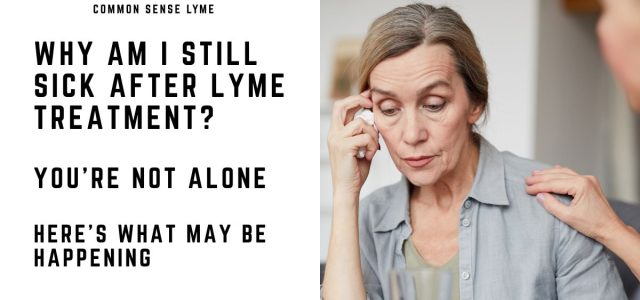
FINISHED TREATMENT—BUT STILL NOT BETTER?
FATIGUE, PAIN, OR BRAIN FOG CONTINUE?
WHAT IS POST-TREATMENT LYME DISEASE SYNDROME?
Post-treatment Lyme disease syndrome (PTLDS) describes persistent, function-limiting symptoms that continue after standard antibiotic treatment for physician-documented Lyme disease.
“I did everything right—but I still don’t feel like myself.”
Patients may experience ongoing fatigue, musculoskeletal pain, sleep disruption, and cognitive difficulties that significantly affect daily life.
PTLDS is one framework used to explain persistent symptoms—but it does not fully explain every patient’s experience.
For a broader clinical view, see Persistent Lyme Disease Overview.
The key clinical question is not simply whether symptoms persist—but whether they are improving, stabilizing, fluctuating, or progressing.
Quick Answer: What Is PTLDS?
PTLDS refers to persistent symptoms—most commonly fatigue, widespread pain, and cognitive difficulties—that last at least 6 months after standard treatment.
Important: PTLDS is a clinical description of persistent symptoms. It does not define a single cause.
What Patients Often Ask
- Why am I still sick?
Symptoms may reflect multiple biologic processes—not a single explanation. - Is Lyme disease still active?
Not necessarily. Persistent symptoms can occur after treatment for several reasons. - Will I recover?
Many patients improve over time, though recovery is often gradual. - What should I do next?
Structured reassessment and symptom tracking are key next steps.
PTLDS Definition
Clinical research definitions typically include:
- Physician-documented Lyme disease
- Standard antibiotic treatment
- Fatigue, pain, or cognitive symptoms
- Symptoms lasting at least 6 months
- Meaningful functional impairment
Persistent symptoms are real and measurable—and should not be dismissed.
Common PTLDS Symptoms
- Significant fatigue
- Widespread musculoskeletal pain
- Brain fog and cognitive slowing
- Sleep disturbance
- Mood changes related to chronic illness
Symptoms are often fluctuating and may worsen with exertion, illness, or stress.
For symptom patterns, see Lyme flare vs relapse.
PTLDS Is Clinically Significant
A Johns Hopkins cohort showed that PTLDS patients experience substantial symptom burden and reduced quality of life.
These findings challenge the idea that persistent symptoms reflect normal daily discomfort.
Dismissal of symptoms contributes to Lyme disease misconceptions.
How Long Does PTLDS Last?
Symptoms may persist for months to years.
For detailed duration data, see How Long Does PTLDS Last?.
Why Symptoms May Persist
Persistent symptoms likely reflect multiple overlapping mechanisms:
- Immune dysregulation
- Neuroinflammation
- Autonomic dysfunction
- Nervous system sensitization
- Co-infections
- Debated possibility of persistent infection in some cases
For deeper mechanisms, see Persistent Lyme Disease Mechanisms.
PTLDS and the Bigger Picture
PTLDS is one way to describe persistent symptoms—but not the only framework.
Evaluation should remain open and structured rather than prematurely closed.
See:
Clinical Perspective
PTLDS is defined by persistent symptoms—not by controversy.
At the same time, not every patient fits neatly into a research definition.
Clinicians should reassess contributing factors and provide supportive care rather than dismiss symptoms.
For recovery pathways, see Lyme Disease Recovery.
Clinical Takeaway
Post-treatment Lyme disease syndrome describes persistent symptoms after treatment—but does not fully explain every case.
Recognizing symptom patterns and underlying contributors is key to guiding recovery.
Frequently Asked Questions
What is PTLDS?
A condition involving persistent symptoms after Lyme treatment.
Is PTLDS the same as chronic Lyme?
Terminology varies, but both describe persistent symptoms.
Does PTLDS mean infection is still present?
Not necessarily—causes vary.
Where should I start?
See Persistent Lyme Disease Overview.
Related Reading
Dr. Daniel Cameron, MD, MPH
Lyme disease clinician with over 30 years of experience and past president of ILADS.
Symptoms • Testing • Coinfections • Recovery • Pediatric • Prevention