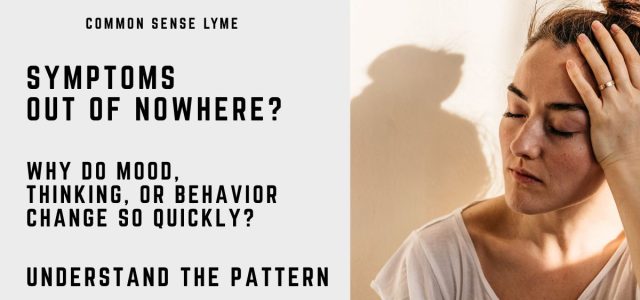
Sudden Neuropsychiatric Symptoms in Adults: What Causes Them?
Mood, thinking, or behavior may change abruptly
Medical and psychiatric conditions can produce similar symptoms
The pattern and accompanying symptoms help guide evaluation
Sudden changes in mood, thinking, or behavior can feel alarming—especially when they were not present before. Anxiety, irritability, intrusive thoughts, or cognitive difficulties may appear almost overnight.
Patients often describe a clear shift: something changed—and quickly.
Unlike symptoms that develop gradually, sudden neuropsychiatric symptoms in adults may appear abruptly and fluctuate over time.
These symptoms can have many possible explanations, including infection, immune activation, medication effects, substance use or withdrawal, metabolic or hormonal abnormalities, neurologic illness, severe stress, and psychiatric conditions. In some patients, the presentation resembles a PANS-like pattern in adults, with symptoms beginning abruptly rather than gradually.
For a broader explanation of this pattern, see when psychiatric symptoms start suddenly.
What Do Sudden Neuropsychiatric Symptoms Feel Like?
Patients often describe a noticeable change from their baseline.
- Anxiety or panic without a clear explanation
- Irritability or sudden mood changes
- Difficulty concentrating or “brain fog”
- Sleep disturbance
- Sensory sensitivity
- Intrusive or repetitive thoughts, sometimes described as OCD symptoms
The abrupt onset is one of the most important clues.
For a full symptom overview, see what PANS symptoms feel like.
Why Do Neuropsychiatric Symptoms Appear Suddenly?
There is no single explanation for sudden neuropsychiatric symptoms. Possible contributors include:
- Recent infection or illness
- Immune system activation or dysregulation
- Inflammatory responses affecting the brain
- Medication side effects or interactions
- Substance use or withdrawal
- Metabolic, hormonal, or nutritional abnormalities
- Neurologic illness
- Physiologic or psychological stress
- Psychiatric conditions
Medical conditions associated with neuropsychiatric manifestations include infectious, autoimmune, endocrine, metabolic, and neurologic disorders.1
A similar pattern has been described in discussions of Lyme disease and PANS, where neuropsychiatric symptoms may emerge abruptly. However, sudden symptoms do not establish Lyme disease, PANS, or any other single diagnosis.
Is This Different From a Typical Psychiatric Condition?
Sometimes—but the speed of onset alone does not determine the cause.
Anxiety, depression, OCD, bipolar disorder, and other psychiatric conditions can sometimes appear or worsen rapidly. However, an abrupt and marked departure from a person’s baseline—particularly when accompanied by confusion, fever, neurologic symptoms, medication changes, or recent illness—should prompt consideration of medical as well as psychiatric explanations.
The timing, accompanying symptoms, and degree of change from the person’s usual behavior can help guide the evaluation.
Can OCD Start Suddenly in Adults?
Yes. Some adults experience the sudden onset or rapid worsening of obsessive-compulsive symptoms, including intrusive thoughts, repetitive behaviors, checking, contamination fears, or an urgent need to perform rituals.
However, OCD is not always the dominant feature. Some patients develop a broader combination of changes involving mood, sleep, cognition, sensory tolerance, and behavior.
Sudden OCD symptoms do not identify one particular cause. A clinical evaluation may consider psychiatric conditions, infections, medications, substance use or withdrawal, metabolic abnormalities, autoimmune or neurologic disorders, and other possible contributors.
Learn more about sudden OCD symptoms in adults.
When Should Sudden Symptoms Raise Concern?
New neuropsychiatric symptoms should be evaluated promptly, particularly when they represent a marked change from the person’s baseline.
Seek urgent medical assistance when sudden behavioral or cognitive changes occur with:
- Confusion or disorientation
- Weakness, difficulty speaking, or changes in vision
- Seizures or loss of consciousness
- High fever, severe headache, or neck stiffness
- New hallucinations or extreme agitation
- Possible medication toxicity, overdose, or substance withdrawal
- Thoughts of suicide, self-harm, or harming someone else
If there is immediate danger, call 911 or go to the nearest emergency department. In the United States, people experiencing suicidal thoughts can also call or text 988 for the Suicide & Crisis Lifeline.
For more on possible triggers, see what triggers PANS symptoms.
Frequently Asked Questions
Can OCD appear suddenly in adults?
Yes. OCD symptoms can appear or worsen rapidly in adults. Sudden onset does not identify one particular cause, so medical, neurologic, medication-related, substance-related, and psychiatric explanations may need to be considered.
What can cause sudden neuropsychiatric symptoms?
Possible causes include infections, medication effects, substance use or withdrawal, metabolic or hormonal abnormalities, neurologic illness, immune activation, severe stress, and psychiatric conditions.
When are sudden behavioral changes an emergency?
Emergency evaluation may be needed when sudden behavioral changes occur with confusion, weakness, difficulty speaking, seizures, loss of consciousness, high fever, severe headache, hallucinations, extreme agitation, or thoughts of self-harm or harming someone else.
Clinical Takeaway
Sudden neuropsychiatric symptoms in adults may reflect a broader underlying process rather than a single diagnosis. Some patients experience OCD symptoms, while others develop changes involving mood, thinking, sleep, perception, or behavior.
Recognizing an abrupt departure from a person’s baseline can help guide an appropriate medical, neurologic, and psychiatric evaluation.
Related Articles
Neuropsychiatric Lyme disease
Brain fog and cognitive dysfunction in Lyme disease
Persistent Lyme disease symptoms
References
- Isaac ML, Larson EB. Medical conditions with neuropsychiatric manifestations. Medical Clinics of North America. 2014;98(5):1193–1208.
Dr. Daniel Cameron, MD, MPH
Lyme disease clinician with over 30 years of experience and past president of ILADS.
Symptoms • Testing • Coinfections • Recovery • Pediatric • Prevention