Babesia Symptoms and Treatment
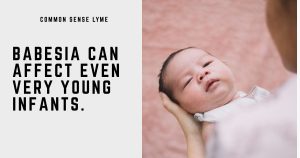
Babesia commonly occurs alongside Lyme disease.
Night sweats and air hunger are common symptom patterns.
Symptoms may persist when Babesia is overlooked.
Babesia symptoms and treatment are important to recognize because Babesia is one of the most common coinfections seen alongside Lyme disease.
Babesia is a tick-borne infection that affects red blood cells and may contribute to fatigue, night sweats, air hunger, dizziness, and fluctuating stamina.
Because Babesia frequently overlaps with Lyme disease, symptoms may be misattributed or missed entirely—especially when classic signs such as fever are absent.
This guide reviews common Babesia symptoms, how Babesia differs from Lyme disease, and current treatment considerations.
Common Babesia Symptoms
Babesia symptoms vary widely, but several patterns are commonly reported.
- drenching night sweats
- air hunger or shortness of breath
- fatigue and reduced stamina
- head pressure or headaches
- dizziness or lightheadedness
- anxiety or internal restlessness
- temperature dysregulation
- exercise intolerance
Some patients describe a sensation of not being able to take a full breath, often referred to as Babesia air hunger.
Others experience episodic sweating, particularly at night, which may be linked to Babesia night sweats.
Symptoms may fluctuate over time and are sometimes worse during exertion or periods of physiologic stress.
How Babesia Differs From Lyme Disease
While Lyme disease often affects joints, connective tissue, and the nervous system, Babesia infects red blood cells and may alter oxygen delivery and autonomic regulation.
This difference may help explain why Babesia is more commonly associated with:
- shortness of breath
- air hunger
- chest discomfort
- fluctuating energy levels
- night sweats
- temperature instability
Patients with both Lyme disease and Babesia may experience overlapping symptoms that complicate diagnosis and recovery.
Babesia and Lyme Disease Coinfection
Babesia is one of the most common coinfections identified in patients with Lyme disease.
When present together, symptoms may become more persistent, multisystem, and difficult to interpret.
Some patients treated for Lyme disease continue to experience:
- fatigue
- night sweats
- air hunger
- exercise intolerance
- autonomic symptoms
This pattern may raise concern for untreated Babesia infection.
This overlap is explored further in Babesia and Lyme disease coinfection.
Babesia Treatment
Babesia treatment typically involves antiparasitic medications used in combination.
Response to treatment varies depending on:
- severity of infection
- duration of illness
- presence of Lyme disease
- coinfections
- immune function
Some patients improve steadily, while others experience symptom fluctuation during recovery.
Treatment duration and management strategies are discussed further in Babesia treatment duration.
Why Babesia Is Often Missed
Babesia may be overlooked when symptoms are attributed solely to Lyme disease or when testing is inconclusive.
Not all patients present with classic findings such as fever or anemia, which may make recognition more difficult.
Persistent symptoms such as:
- night sweats
- air hunger
- shortness of breath
- unexplained fatigue
- exercise intolerance
may warrant evaluation for Babesia, particularly in endemic regions.
Frequently Asked Questions
What are the most common Babesia symptoms?
Common Babesia symptoms include night sweats, air hunger, fatigue, dizziness, headaches, shortness of breath, and fluctuating stamina.
Can Babesia cause air hunger?
Yes. Babesia air hunger is commonly described as difficulty taking a satisfying breath or feeling unable to get enough air.
Can you have Babesia without fever?
Yes. Some patients with Babesia do not develop fever, which may contribute to delayed diagnosis.
How is Babesia different from Lyme disease?
Babesia infects red blood cells, while Lyme disease primarily affects connective tissue, joints, and the nervous system.
Can Babesia symptoms persist after Lyme treatment?
Yes. Persistent night sweats, fatigue, and air hunger after Lyme treatment may raise concern for Babesia coinfection.
Clinical Takeaway
Babesia is a common and often underrecognized Lyme disease coinfection.
Symptoms such as night sweats, air hunger, shortness of breath, dizziness, and fluctuating fatigue may point toward Babesia involvement—particularly when recovery from Lyme disease remains incomplete.
Recognizing Babesia symptom patterns may improve diagnostic accuracy and guide more individualized treatment approaches.
Dr. Daniel Cameron, MD, MPH
Lyme disease clinician with over 30 years of experience and past president of ILADS.
Symptoms • Testing • Coinfections • Recovery • Pediatric • Prevention