Occupational Lyme Disease: Which Workers Face the Highest Risk?
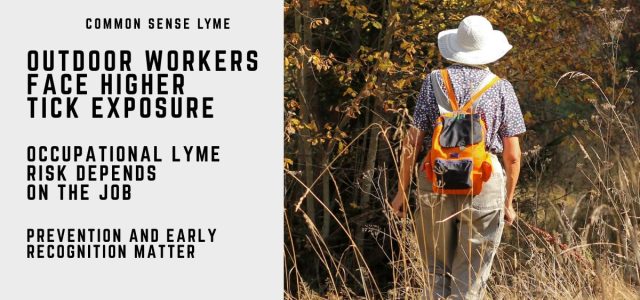
Outdoor workers face repeated tick exposure
Occupational Lyme disease risk differs by profession
Prevention and early recognition remain important
Occupational Lyme disease is an important but often overlooked risk for workers who spend significant time outdoors. Forestry workers, farmers, landscapers, utility crews, park employees, military personnel, and others working in tick habitats may face repeated exposure that increases infection risk.
Researchers have increasingly examined whether certain jobs carry greater Lyme disease risk. Their findings suggest occupation matters—but not all outdoor jobs carry the same level of risk.
What Is Occupational Lyme Disease?
Occupational Lyme disease refers to Lyme disease acquired through workplace exposure. Jobs involving forests, tall grass, brush, wildlife habitats, agricultural land, or repeated outdoor activity may increase opportunities for tick bites.
Work-related exposure can be difficult to recognize because symptoms may begin days or weeks later. Workers may also dismiss early symptoms such as fatigue, muscle pain, headache, or flu-like illness as routine job-related exhaustion.
Which Workers Face the Highest Occupational Lyme Disease Risk?
A systematic review and meta-analysis examining occupational exposure found that workers performing outdoor activities had significantly greater odds of Borrelia exposure compared with controls. Forestry and agricultural workers appeared to carry the highest relative risk across many studies.
Higher-risk occupations may include:
- Forestry workers
- Farm workers
- Landscapers
- Park employees
- Utility and construction crews working outdoors
- Hunters and wildlife workers
- Military personnel in endemic regions
- Grounds maintenance workers
Not every outdoor occupation carries identical risk. Some studies found lower or inconsistent risk among veterinarians, military populations, and animal workers depending on location and exposure patterns.
Repeated Exposure Increases Risk—But Exposure Does Not Always Equal Disease
The strongest predictor of occupational Lyme disease risk appears to be repeated exposure to ticks. Workers reporting frequent tick bites generally had higher rates of positive Lyme serology.
However, studies consistently show that increased exposure does not always translate into symptomatic disease. Several occupational studies found many seropositive workers had few or no symptoms, suggesting occupational exposure and clinical illness do not always occur together.
Risk may increase with:
- Longer time working outdoors
- Older age
- Manual work in forests or fields
- Frequent contact with wooded habitats
- Working during peak tick seasons
- Poor adherence to prevention practices
Researchers have suggested that repeated occupational exposure may also be modified by behavior. Workers with more experience often adopt protective strategies such as tick checks, repellents, protective clothing, and early tick removal, potentially lowering disease risk despite continued exposure.
Why Occupational Lyme Disease May Be Missed
Occupational Lyme disease can be difficult to identify because symptoms vary widely and may appear long after a tick bite.
Workers may initially experience:
- Fatigue
- Joint or muscle pain
- Headaches
- Brain fog
- Sleep disruption
- Neurologic symptoms
- Mood or cognitive changes
Not every worker recalls a tick bite. Others may continue working through symptoms until illness becomes more disabling.
Delayed diagnosis may increase the risk of persistent symptoms and prolonged recovery.
Occupational exposure is only one part of the picture. Symptoms and work limitations may continue long after diagnosis or treatment decisions begin. Learn more about working with Lyme disease and why some patients struggle despite appearing well in why invisible Lyme symptoms are often misunderstood.
What Makes Occupational Lyme Disease Difficult to Study?
Occupational Lyme disease research has important limitations. Many studies relied heavily on antibody testing alone, included limited comparison groups, or measured exposure rather than confirmed illness.
Several studies also struggled to separate workplace exposure from recreational or residential tick exposure, making it difficult to determine exactly how much risk comes from the job itself.
Can Prevention Reduce Occupational Lyme Disease Risk?
Studies suggest prevention measures may reduce occupational Lyme disease risk. Workers using personal protective behaviors appeared less likely to develop evidence of infection.
Protective strategies include:
- Permethrin-treated clothing
- Tick repellents
- Daily tick checks
- Prompt tick removal
- Showering after outdoor work
- Protective clothing that limits exposed skin
- Education regarding early symptoms
Prevention is especially important for workers exposed repeatedly throughout tick season.
Frequently Asked Questions
Which workers have the highest occupational Lyme disease risk?
Forestry workers, farmers, landscapers, park employees, and other outdoor workers appear to face the highest exposure risk.
Can indoor workers develop occupational Lyme disease?
Yes. Any occupation involving repeated outdoor exposure, even part-time, may increase risk.
Why is occupational Lyme disease often missed?
Symptoms may develop long after exposure, and many workers never recall a tick bite.
Does protective clothing reduce Lyme disease risk?
Studies suggest protective clothing and prevention practices may lower occupational exposure risk.
Are forestry workers at higher risk than other professions?
Forestry workers consistently appear among the highest-risk occupational groups in published studies.
Clinical Takeaway
Occupational Lyme disease risk is not evenly distributed across professions.
Workers with repeated outdoor exposure—particularly forestry and agricultural workers—appear to face the highest exposure risk.
Occupational history remains important, but job type alone does not determine risk. Repeated exposure, geography, protective behaviors, and early recognition all influence outcomes.
Related Articles
These related articles explore prevention, outdoor exposure, and delayed diagnosis in Lyme disease.
Prevention of Lyme Disease
Delayed Lyme Disease Diagnosis
Bad Signs After a Tick Bite
Is It Too Late to Treat a Tick Bite?
Lyme Coinfections
References
- Magnavita N, Capitanelli I, Ilesanmi O, Chirico F. Occupational Lyme disease: A systematic review and meta-analysis. Diagnostics (Basel). 2022;12(2):296.
- Piacentino JD, Schwartz BS. Occupational risk of Lyme disease: An epidemiological review. Occup Environ Med. 2002;59(2):75–84.
Dr. Daniel Cameron, MD, MPH
Lyme disease clinician with over 30 years of experience and past president of ILADS.
Symptoms • Testing • Coinfections • Recovery • Pediatric • Prevention