Contact us at 914-666-4665

Dr. Daniel Cameron

Dr. Daniel Cameron is a board-certified physician and epidemiologist specializing in Lyme disease and tick-borne illnesses. He is a past president of ILADS and has contributed to Lyme disease treatment guidelines, with a clinical focus on diagnosis, testing limitations, and complex cases.

Dr. Daniel Cameron
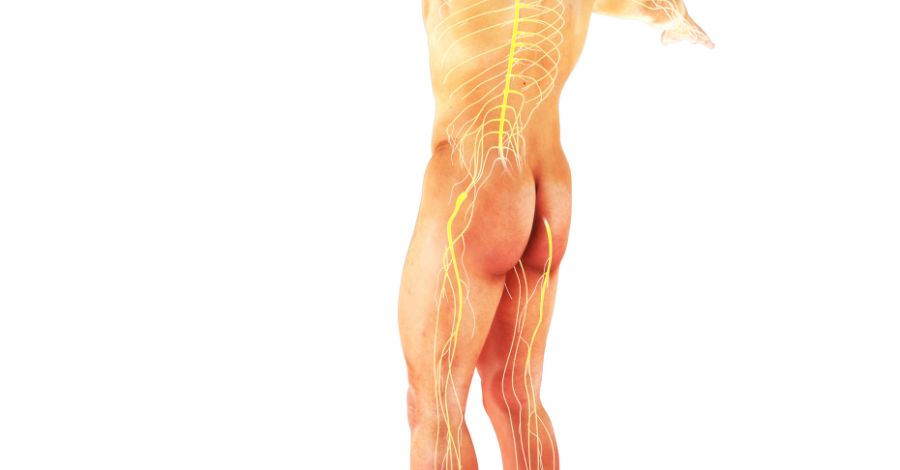
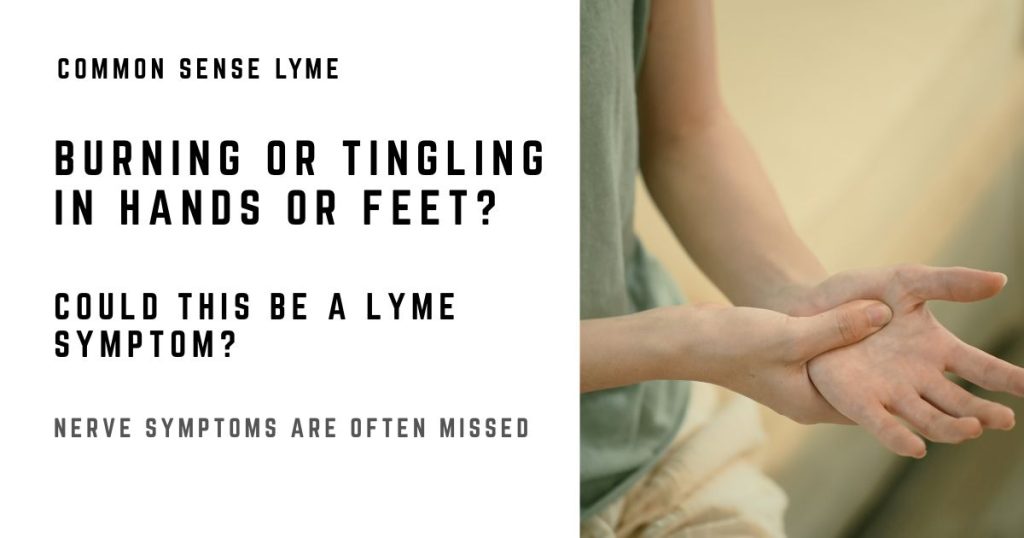
BURNING OR TINGLING IN HANDS OR FEET

Burning or Tingling in the Hands and Feet? It Could Be Lyme disease.

Burning or Tingling in the Hands and Feet? It Could Be Lyme disease. When Your Nerves Set Off Alarms One of the most common — and most confusing — symptoms I see in Lyme disease patients is a burning or tingling sensation in the hands and feet. For many, it feels like the nerves are […]

Burning or Tingling in the Hands and Feet? It Could Be Lyme disease. Read More »

HEART SYMPTOMS WITH LYME

Lyme Carditis: When Heart Symptoms Can’t Wait

Lyme Carditis: When Heart Symptoms Can’t Wait Heart symptoms in Lyme disease can progress quickly—from mild dizziness to dangerous heart block within hours. Quick Answer: Lyme carditis can cause heart block that develops rapidly but is often reversible with prompt antibiotic treatment. Early recognition is critical to avoid serious complications or unnecessary pacemakers. Lyme carditis

Lyme Carditis: When Heart Symptoms Can’t Wait Read More »

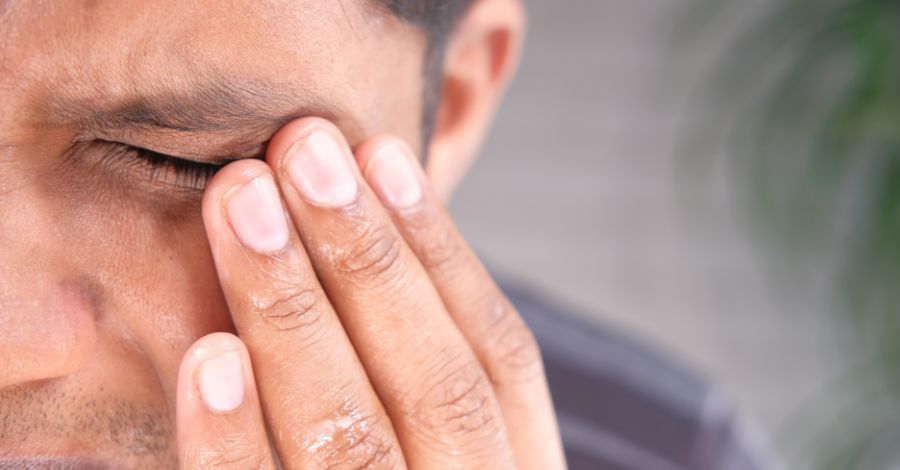
Pain Behind the Eyes and Lyme Disease

Lyme Disease Eye Pain: Why Tests Are Often Normal

Lyme Disease Eye Pain: Why Tests Are Often Normal EYE PAIN BUT NORMAL EXAM? PRESSURE BEHIND THE EYES? COULD THIS BE LYME DISEASE? Lyme disease eye pain can feel frightening—especially when eye exams and imaging come back normal. This symptom is common in neurologic and autonomic Lyme disease and is frequently misunderstood. Patients often describe

Lyme Disease Eye Pain: Why Tests Are Often Normal Read More »

Why Lyme Disease Causes Joint Instability and Balance Problems

Lyme Disease Balance Problems: Why Joints Feel Unstable

Lyme Disease Balance Problems: Why Joints Feel Unstable FEELING UNSTEADY WHEN WALKING? KNEES OR ANKLES GIVING WAY? COULD THIS BE LYME-RELATED BALANCE PROBLEMS? Lyme disease balance problems can cause joint instability, unsteadiness, and loss of coordination—even when imaging and routine tests are normal. “My joints feel like they can’t be trusted.” Many people with Lyme

Lyme Disease Balance Problems: Why Joints Feel Unstable Read More »

Lyme Autonomic Dysfunction: How Lyme Disease Disrupts the Autonomic Nervous System

How Lyme Disease Disrupts Autonomic Regulation

How Lyme Disease Disrupts Autonomic Regulation Many patients with Lyme disease report symptoms that feel disconnected and unpredictable—heart racing, dizziness, digestive slowing, anxiety-like sensations, and sudden crashes after stress or exertion. While these experiences are often grouped together under the term dysautonomia, the underlying physiology is frequently misunderstood. This article focuses on how Lyme disease

How Lyme Disease Disrupts Autonomic Regulation Read More »

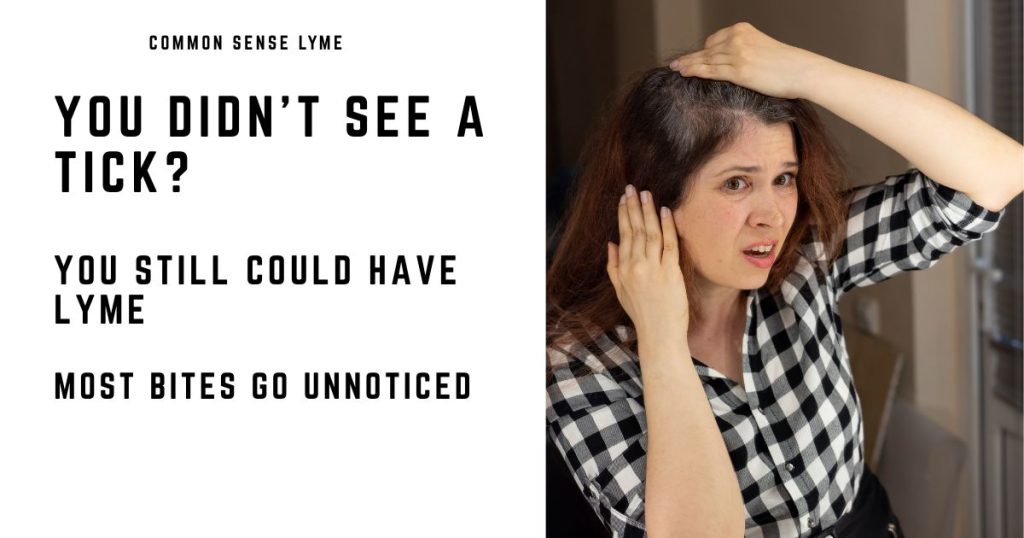
YOU DIDN’T SEE A TICK

Can You Have Lyme Disease Without Seeing a Tick Bite?

Can You Have Lyme Disease Without Seeing a Tick Bite? Can you have Lyme disease without seeing a tick bite? Yes—and most patients never see the tick that infected them. Ticks that transmit Lyme disease are often extremely small, painless, and easy to miss. By the time symptoms appear, the tick is usually long gone.

Can You Have Lyme Disease Without Seeing a Tick Bite? Read More »

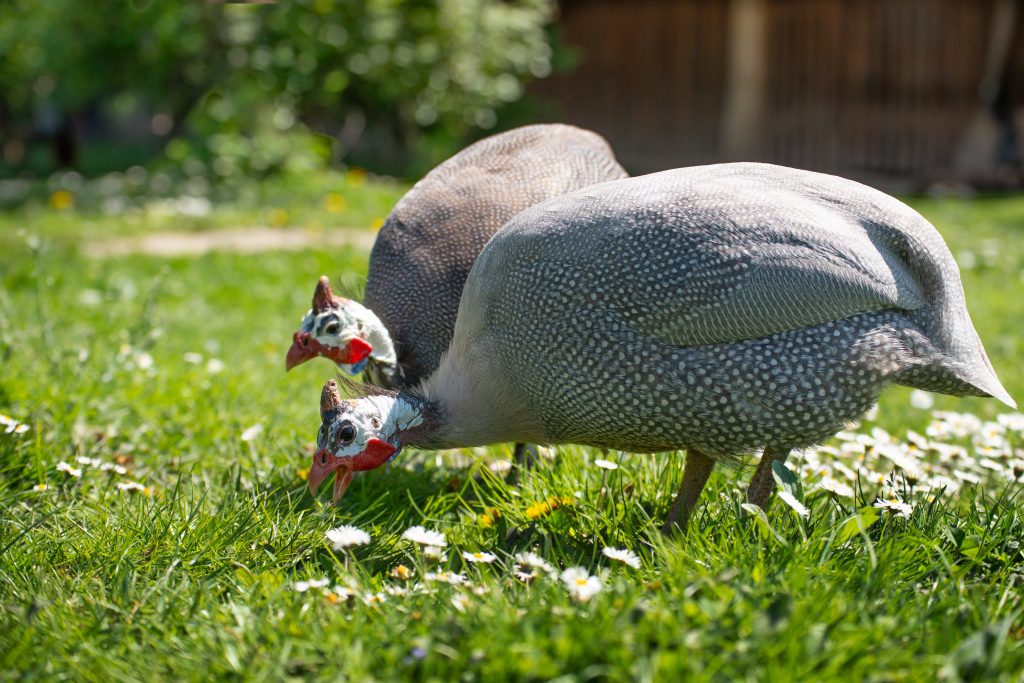
Two quinea fowls at poultry yard on green grass

Animals That Eat Ticks: Nature’s Role in Tick Control

Animals That Eat Ticks: Nature’s Role in Tick Control Ticks may seem unstoppable as their range expands and encounters become more common. But nature does have built-in defenses. Long before chemical sprays or treated clothing existed, ecosystems relied on animals that eat ticks as part of natural tick control, helping limit tick populations at different

Animals That Eat Ticks: Nature’s Role in Tick Control Read More »

POTS and Lyme Disease: Symptoms

Can Lyme Disease Cause Anxiety, Depression, or OCD?

Can Lyme Disease Cause Anxiety, Depression, or OCD? Yes—Lyme disease can cause psychiatric symptoms including anxiety, depression, irritability, and obsessive-compulsive behaviors. In some patients, these symptoms appear suddenly and do not respond to standard psychiatric treatment. Sudden anxiety. Mood changes that don’t make sense. Treatment isn’t helping. Some patients describe it this way: “I felt

Can Lyme Disease Cause Anxiety, Depression, or OCD? Read More »

WHERE TICKS DON’T THRIVE

Where Ticks Don’t Thrive

Where Ticks Don’t Thrive Ticks are resilient parasites that feed on the blood of animals and humans. Understanding where ticks live—and where they struggle to survive—can help reduce your risk of exposure. While ticks are well known for surviving in many environments, they are not invincible. Ticks have specific environmental needs, and knowing which settings

Where Ticks Don’t Thrive Read More »