What Animals Eat Ticks? Nature’s Built-In Tick Control
Nature has built-in tick control.
Opossums, guinea fowl, and other animals may reduce tick populations.
But prevention and early symptom recognition still matter most.
What animals eat ticks? While ticks may seem unstoppable, nature has built-in defenses against them. Several animals help control tick populations naturally by feeding on ticks, tick larvae, or tick eggs.
Although these animals may reduce tick numbers in some environments, they cannot eliminate the risk of Lyme disease or other tick-borne infections. Personal protection and early recognition of symptoms remain essential.
Opossums: The Unsung Heroes of Tick Control
Opossums are among the most efficient tick predators in nature.
These nocturnal animals use meticulous grooming habits to remove ticks before they can feed successfully.
Studies suggest opossums consume a high percentage of the ticks that land on them. A single opossum may kill thousands of ticks during a season.
Unlike animals that primarily serve as hosts for ticks, opossums actively destroy many of the ticks they encounter.
Reducing tick exposure matters because many patients never recall a tick bite before developing symptoms of fatigue, joint pain, or neurologic problems associated with Lyme disease.
Guinea Fowl and Chickens: Pecking Away the Problem
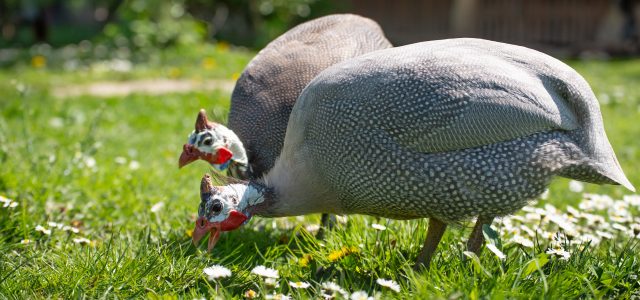
Domesticated birds, especially guinea fowl and chickens, are known for feeding on ticks.
Guinea fowl forage in flocks, searching for ticks in grassy and wooded environments. Chickens scratch at the ground, consuming ticks along with other insects.
Though they rarely eliminate ticks entirely, free-ranging poultry may help reduce tick populations around homes and farms.
People living in endemic regions often combine environmental prevention measures with personal protection strategies to reduce the likelihood of tick bites.
Fire Ants: An Unexpected Ally
Fire ants are often considered pests, but in some environments they may help suppress tick populations.
Fire ants prey on tick eggs and larvae, disrupting parts of the tick life cycle through aggressive foraging behavior.
However, the ecological impact of fire ants remains controversial because they are also an invasive species capable of harming native wildlife.
Other Tick-Eating Animals
Several additional species contribute to natural tick control:
- Wild turkeys forage on the ground and consume ticks as part of their diet.
- Frogs and lizards eat ticks in some habitats.
- Certain rodents, including shrews, may consume ticks, although many rodents also contribute to the spread of tick-borne disease.
Because ticks continue expanding geographically, environmental control alone is rarely enough to prevent disease transmission.
Nature vs. Prevention: The Balance Matters
Animals may help reduce tick populations, but they cannot eliminate the risk of tick bites or tick-borne diseases.
To reduce tick encounters:
- Maintain tick-resistant landscapes by clearing leaf litter and keeping grass short.
- Use deer-resistant plants and limit brush near homes.
- Check for ticks regularly after outdoor activity and watch for bad signs after a tick bite.
- Wear protective clothing and use repellents such as DEET or permethrin.
Even with prevention, some individuals may not recognize early Lyme disease symptoms because they can resemble viral illness, stress, or exhaustion. Learn more in the Lyme Disease Symptoms Guide.
Clinical Takeaway
Opossums, guinea fowl, fire ants, and other animals may help reduce tick populations in some environments. But the best protection still comes from combining environmental awareness, personal prevention, and early recognition of Lyme disease symptoms.
Natural tick predators are one layer of defense — not a substitute for protective clothing, tick checks, and prompt evaluation after a bite.
Related Articles
- How to Tick-Proof Your Yard
- Bad Signs After a Tick Bite
- DEET and Natural Tick Repellents
- Lyme Disease Prevention Strategies
References
- Yang LH, Han BA. Data-driven predictions and novel hypotheses about zoonotic tick vectors from the genus Ixodes. BMC Ecol. 2018;18(1):7.
Dr. Daniel Cameron, MD, MPH
Lyme disease clinician with over 30 years of experience and past president of ILADS.
Symptoms • Testing • Coinfections • Recovery • Pediatric • Prevention