
Contact us at 914-666-4665

Dr. Daniel Cameron

Board-certified physician with 38+ years specializing in Lyme disease and tick-borne illnesses. Past President of ILADS (International Lyme and Associated Diseases Society) and first author of ILADS treatment guidelines. Dr. Cameron operates a solo practice focused on patient advocacy and evidence-based Lyme disease treatment. He is the author of 1,100+ articles spanning diagnosis, treatment, co-infections, and recovery from tick-borne illnesses. His work challenges conventional approaches that often leave patients undiagnosed or undertreated, emphasizing clinical judgment over rigid adherence to testing criteria that frequently produce false negatives.

Dr. Daniel Cameron
facial-palsy-lyme-disease

Bilateral Facial Palsy in Children: Lyme Disease Often Mistaken for Bell’s Palsy

Bilateral Facial Palsy in Children: A Rare Lyme Disease Sign Often Mistaken for Bell’s Palsy Bilateral facial palsy in children is rare but may signal serious systemic disease such as Lyme neuroborreliosis. A 10-year-old boy in southeastern Canada developed paralysis affecting both sides of his face after a summer fever and rash. Facial paralysis caused […]

Bilateral Facial Palsy in Children: Lyme Disease Often Mistaken for Bell’s Palsy Read More »

swollen-knee-lyme-disease

Lyme Arthritis in Children: Knee Swelling Without Rash

Lyme Arthritis in Children: Knee Swelling Without Rash Lyme arthritis in children often appears as knee swelling weeks or months after a tick bite. Because the classic rash of early Lyme disease is frequently absent or unnoticed, diagnosis may be delayed. Guardado and Sergent describe a case illustrating a common diagnostic gap: a 10-year-old girl

Lyme Arthritis in Children: Knee Swelling Without Rash Read More »

optic-neuritis-lyme-disease

Lyme Optic Neuritis: Bilateral Vision Loss From Tick Infection

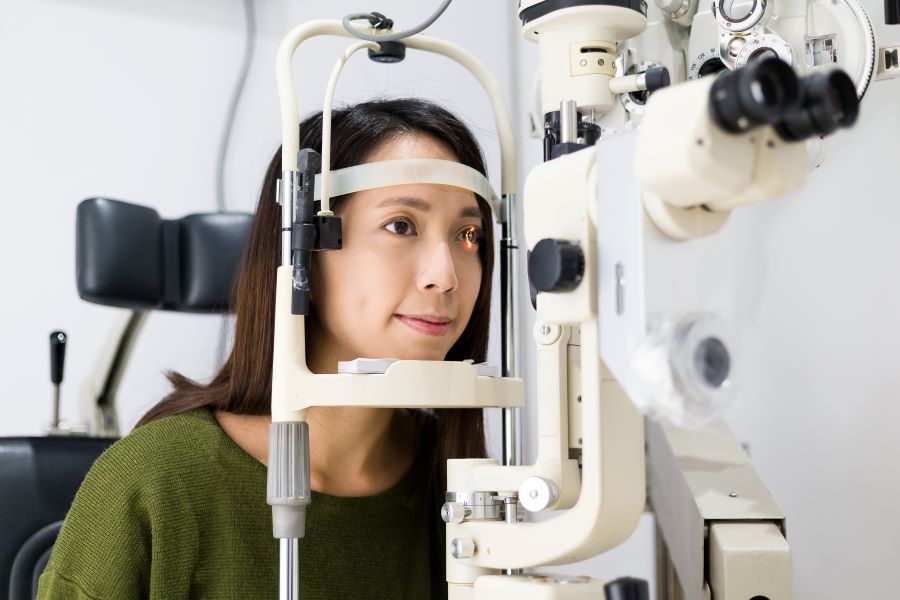
Lyme Optic Neuritis: A Rare Cause of Bilateral Vision Loss Lyme optic neuritis is a rare neurologic complication of Lyme disease that can cause inflammation of the optic nerve and progressive visual loss. Unlike typical optic neuritis, which is usually unilateral and painful, Lyme-associated optic neuritis often presents with bilateral optic nerve swelling and painless

Lyme Optic Neuritis: Bilateral Vision Loss From Tick Infection Read More »

woman with lyme disease and vertigo sitting and holding head

Hearing Loss and Vertigo in Lyme Disease

Hearing Loss and Vertigo in Lyme Disease Hearing loss in Lyme disease can occur when infection affects the inner ear or the vestibulocochlear nerve (cranial nerve VIII). Patients may also experience vertigo, tinnitus, dizziness, and balance problems—symptoms that are a recognized feature of Lyme disease symptoms when the auditory and vestibular systems become inflamed. Some

Hearing Loss and Vertigo in Lyme Disease Read More »

identifying-ticks

Clinicians had difficulties identifying ticks

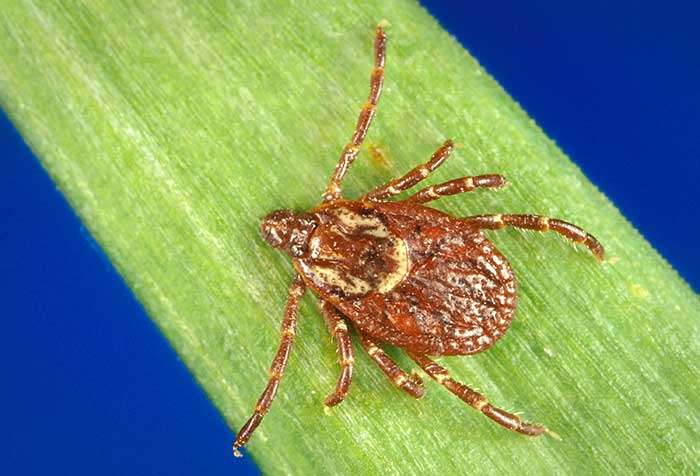
Clinicians had difficulties identifying ticks Welcome to another Inside Lyme Podcast with your host Dr. Daniel Cameron. In this episode, Dr. Cameron discusses findings from a recent study which examined the proficiency of clinicians at identifying ticks in the northeastern region of the United States. By Dr. Daniel Cameron The study by Laga and colleagues

Clinicians had difficulties identifying ticks Read More »

disseminated-lyme-disease

Lower socioeconomic status: a risk factor for disseminated Lyme disease

Lower socioeconomic status: a risk factor for disseminated Lyme disease Moon et al. explored the risk factors for disseminated Lyme disease using an electronic database from the Geisinger integrated health care system located in Pennsylvania. They based their data on both diagnostic and narrative text data. One out of three of their disseminated Lyme disease

Lower socioeconomic status: a risk factor for disseminated Lyme disease Read More »

trauma-lyme-disease

Prior Trauma May Worsen Lyme Disease Symptoms

Prior Trauma May Worsen Lyme Disease Symptom Severity Prior trauma may influence the severity of symptoms in Lyme disease. Research suggests that individuals with a history of traumatic life events may experience more severe cognitive, mood, and functional symptoms after Lyme infection. The authors cited earlier research by Solomon and colleagues examining the role of

Prior Trauma May Worsen Lyme Disease Symptoms Read More »

POTS in Long COVID and Lyme Disease

POTS in Long COVID and Lyme Disease: Autonomic Dysfunction Compared Postural Orthostatic Tachycardia Syndrome (POTS) has been reported in both Long COVID and Lyme disease. These conditions share symptoms of autonomic dysfunction, including dizziness, palpitations, fatigue, and cognitive impairment. In this Inside Lyme Podcast, Dr. Daniel Cameron discusses the American Autonomic Society’s statement on Long-COVID

POTS in Long COVID and Lyme Disease Read More »

lyme-disease-radiculopathy

Child with Lyme disease diagnosed with radiculopathy

Child with Lyme disease diagnosed with radiculopathy A 10-year-old boy presented with fatigue, posterior lower neck pain, and a low-grade fever of 100.8. “The soft tissues of the posterior neck and upper back were tender with allodynia,” wrote Baker and colleagues in the American Journal of Emergency Medicine.² They added, the Magnetic Resonance Imaging (MRI)

Child with Lyme disease diagnosed with radiculopathy Read More »

covid-evaluation-lyme-disease

No Lyme disease evaluation as part of a post-COVID-19 assessment?

No Lyme disease evaluation as part of a post-COVID-19 assessment? Welcome to another Inside Lyme Podcast with your host Dr. Daniel Cameron. In this episode, Dr. Cameron will be discussing a paper which makes no mention of a Lyme disease evaluation as part of a post-COVID assessment. By Dr. Daniel Cameron The case was first

No Lyme disease evaluation as part of a post-COVID-19 assessment? Read More »