
Contact us at 914-666-4665

Dr. Daniel Cameron

Board-certified physician with 38+ years specializing in Lyme disease and tick-borne illnesses. Past President of ILADS (International Lyme and Associated Diseases Society) and first author of ILADS treatment guidelines. Dr. Cameron operates a solo practice focused on patient advocacy and evidence-based Lyme disease treatment. He is the author of 1,100+ articles spanning diagnosis, treatment, co-infections, and recovery from tick-borne illnesses. His work challenges conventional approaches that often leave patients undiagnosed or undertreated, emphasizing clinical judgment over rigid adherence to testing criteria that frequently produce false negatives.

Dr. Daniel Cameron
Doxycycline After Tick Bite: Does It Prevent Lyme?

Prevention of Lyme Disease: What Actually Works?

Lyme Disease Prevention: What Works—and What Doesn’t Lyme disease prevention is the most effective way to reduce risk—but it is not foolproof. Even with precautions, tick exposure can occur. Understanding what works, what doesn’t, and what to do after a tick bite is essential. Even with careful prevention, infections can still occur. Recognizing Lyme disease […]

Prevention of Lyme Disease: What Actually Works? Read More »

Autonomic Dysfunction in Lyme Disease and COVID-19

Autonomic Dysfunction After Lyme Disease and COVID-19 Autonomic dysfunction, also called dysautonomia, can occur after infections including Lyme disease and COVID-19. Patients may develop symptoms such as dizziness, brain fog, fatigue, and neuropathic pain when the autonomic nervous system is disrupted. This case highlights the complexity of diagnosing autonomic disorders in patients with a history

Autonomic Dysfunction in Lyme Disease and COVID-19 Read More »

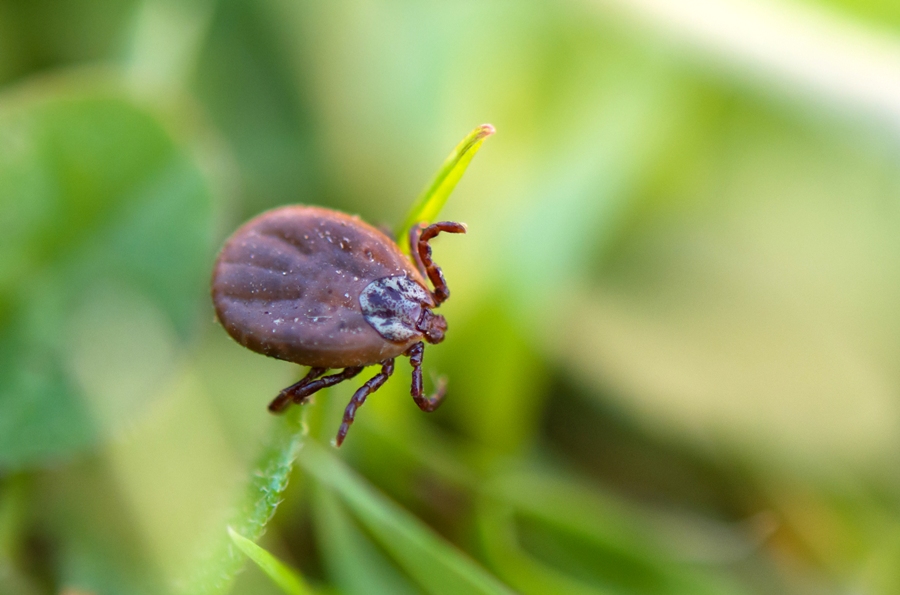
identifying ticks

How Lyme Pathogens Change Tick Behavior and Survival

How Lyme Pathogens Change Tick Behavior and Survival Research suggests that pathogens carried by ticks may alter tick behavior in ways that improve their survival and increase the likelihood of disease transmission. Infections with organisms such as Borrelia, Anaplasma, and Babesia appear capable of manipulating tick biology, potentially increasing the tick’s ability to locate hosts

How Lyme Pathogens Change Tick Behavior and Survival Read More »

lyme disease co-infections

What Are Lyme Disease Co-Infections?

Lyme Disease Co-Infections: Symptoms, Testing, and Treatment Lyme disease co-infections occur when a tick transmits more than one infectious pathogen during a single bite. Black-legged ticks can carry bacteria, parasites, and viruses capable of infecting humans at the same time. Today, ticks harbor multiple infectious pathogens that can be transmitted through a tick bite or

What Are Lyme Disease Co-Infections? Read More »

signs of lyme disease

Signs and symptoms of Lyme disease

Signs and Symptoms of Lyme Disease Lyme disease symptoms can affect many parts of the body. While many people associate Lyme disease with a bull’s-eye rash, Bell’s palsy, or flu-like symptoms, the infection can also cause sensory, cognitive, neurologic, and cardiac complications — even in its earliest stage. Unfortunately, the signs and symptoms of Lyme

Signs and symptoms of Lyme disease Read More »

Lyme disease vaccine for humans being given to male patient

Lyme Disease Vaccine for Humans: Would You Trust It Today?

Lyme Disease Vaccine for Humans: Would You Trust It Today? Last reviewed: March 2026 | Daniel Cameron, MD, MPH A Lyme disease vaccine for humans once existed in the United States—but it disappeared from the market only a few years after approval. Lyme disease is transmitted through the bite of infected ticks carrying the bacterium

Lyme Disease Vaccine for Humans: Would You Trust It Today? Read More »

ticks quest on leaf

When Are Ticks Most Active? Understanding Tick Questing Behavior

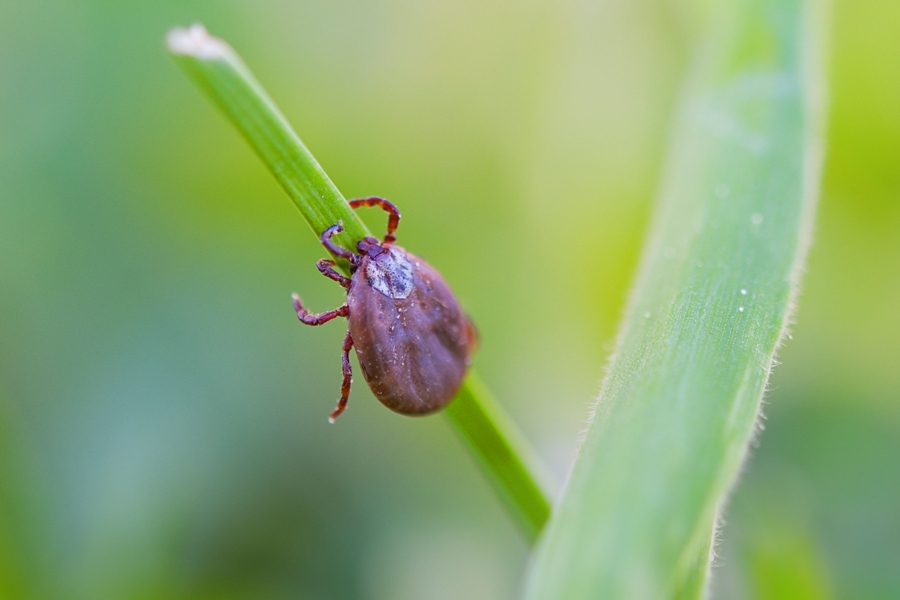
Ticks must balance their need to find a host with the risk of drying out while waiting in the environment. This behavior, known as questing, occurs when a tick climbs vegetation and waits for a passing host to brush against it. Questing is the behavior ticks use to locate hosts. A tick climbs onto grass

When Are Ticks Most Active? Understanding Tick Questing Behavior Read More »

lyme disease in children

Behavior Changes in Children With Lyme Disease and Parental Stress

Behavior Changes in Children With Lyme Disease and Parental Stress Lyme disease in children can cause behavioral and emotional changes that are difficult for families to manage. Mood swings, irritability, aggression, and emotional outbursts can appear during the illness, sometimes overwhelming parents who are trying to respond effectively. These behavioral symptoms are increasingly recognized as

Behavior Changes in Children With Lyme Disease and Parental Stress Read More »