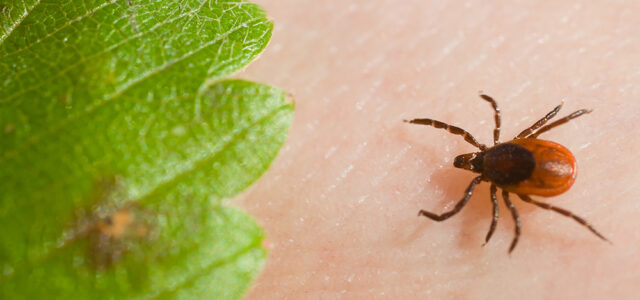
Babesia awareness is dangerously low—even in areas where the disease is common. A Connecticut survey found that only 23% of residents knew deer ticks can transmit Babesia, despite living in one of the most endemic regions in the country.
The results were published in Ticks and Tick-borne Diseases.
Babesia Awareness: The Survey Results
In 2014, 275 individuals living in southwestern Connecticut were surveyed about their knowledge of tick-borne diseases. The results were concerning:
- Only 23% knew deer ticks can transmit Babesia
- Only 12% knew deer ticks can transmit Anaplasmosis
This is Connecticut—a state that knows Lyme disease all too well. Yet most residents are unaware of these equally dangerous co-infections.
Doctors Aren’t Testing for Babesia Either
The babesia awareness gap extends to clinicians. In 2008, most doctors ordering Lyme disease tests were not testing for Babesia.
The numbers from six commercial laboratories tell the story:
- Lyme disease tests ordered: 2,432,396
- Babesia tests ordered: 85,323 (less than 4%)
- Anaplasmosis tests ordered: 63,693 (less than 3%)
This is a significant problem because up to 40% of patients with Lyme disease experience concurrent Babesiosis.
Why Babesia Awareness Matters
The risk of becoming infected with Babesia is rising. Between 12% and 42% of rodents are co-infected with both Borrelia burgdorferi (the causative agent of Lyme disease) and Babesia microti.
Babesia can lead to serious illness and increase the severity and duration of Lyme disease. But the disease, caused by parasites that infect red blood cells, cannot be treated with the same medications used to treat Lyme disease.
Treating Babesia with Mepron and Zithromax has been effective. Quinine and clindamycin have also been effective but are associated with a higher rate of side effects.
Testing Challenges
There are tests for Babesia but their accuracy can be limited:
- Only one-third of patients with well-defined Babesia tested positive using microscopic testing
- Specific amplifiable DNA was detectable in as many as 71% of patients—but that number dropped to 4% in patients with concurrent Lyme disease
- IgM antibody was detected in as many as 78% of subjects
The reliability of tests in actual practice could not be determined, as the study required a positive test for inclusion.
Babesia Is Hard to Recognize
It’s important for patients to be aware of the disease, as it can be difficult to recognize even for the most astute clinician.
The typical signs of Lyme disease—erythema migrans rash, Bell’s palsy, knee swelling—are absent with Babesia. Even night sweats can be absent. Only 42% of patients with Babesia and Lyme disease presented with night sweats.
The Case for Better Education
It is reasonable for doctors to educate their patients about the risk of Babesia. The Centers for Disease Control and Prevention (CDC) designated Babesia a reportable illness in 2011.
Recent guidelines advise educating patients who have a tick bite or who have been diagnosed with Lyme disease about other tick-borne diseases they may have contracted.
Until babesia awareness improves—among both patients and physicians—this dangerous co-infection will continue to be missed.
Frequently Asked Questions
How common is Babesia awareness?
Very low. Only 23% of Connecticut residents surveyed knew deer ticks can transmit Babesia—and Connecticut is one of the most endemic states.
Do doctors test for Babesia?
Rarely. In 2008, less than 4% of tick-borne disease tests included Babesia, even though up to 40% of Lyme patients may be co-infected.
Why is Babesia awareness important?
Babesia requires different treatment than Lyme disease. If patients and doctors don’t know to look for it, the infection goes untreated and symptoms persist.
Can you have Babesia without knowing it?
Yes. Classic symptoms like night sweats are absent in over half of co-infected patients. Babesia is easily missed without specific testing.
Is Babesia common in Connecticut?
Yes. Connecticut is one of the most endemic areas for Babesia in the US, yet most residents are unaware of the risk.
References
- Diuk-Wasser MA, Vannier E, Krause PJ. Coinfection by Ixodes Tick-Borne Pathogens: Ecological, Epidemiological, and Clinical Consequences. Trends Parasitol. 2015.
- Krause PJ, Telford SR 3rd, Spielman A, et al. Concurrent Lyme disease and babesiosis: Evidence for increased severity and duration of illness. JAMA. 1996;275(21):1657-1660.
- Butler AD, Sedghi T, Petrini JR, Ahmadi R. Tick-borne disease preventive practices and perceptions in an endemic area. Ticks Tick Borne Dis. 2015.
- Krause PJ, McKay K, Thompson CA, et al. Disease-specific diagnosis of coinfecting tickborne zoonoses: babesiosis, human granulocytic ehrlichiosis, and Lyme disease. Clin Infect Dis. 2002;34(9):1184-1191.
- National Notifiable Diseases Surveillance System (NNDSS). https://wwwn.cdc.gov/nndss/
- Cameron DJ, Johnson LB, Maloney EL. Evidence assessments and guideline recommendations in Lyme disease. Expert Rev Anti Infect Ther. 2014.