Babesia Treatment Duration: When 10 Days Isn’t Enough
Babesia treatment duration is one of the most misunderstood aspects of managing this co-infection. In my clinical experience, treatment often needs to go beyond the standard 7–10 days. I recently treated a patient who failed a 10-day course of atovaquone and azithromycin. He still had fatigue, sweats, and brain fog. We extended therapy based on symptoms—not the calendar—and he improved.
For a full overview of Babesia symptoms, testing challenges, and treatment strategies, visit our Babesia and Lyme disease hub.
We considered tafenoquine (Arakoda) but didn’t need it. We treated Lyme at the same time and avoided clindamycin/quinine due to side effects. His case reminds me why babesia treatment duration should be individualized and how Lyme disease treatment options often need to be adjusted based on clinical response.
Babesia Treatment Duration: Why Dosing Options Matter
Atovaquone is available in two common formulations, both of which I use:
- Mepron (liquid atovaquone 750 mg/5 mL) is the traditional choice but can be expensive, difficult to tolerate for some, and has a strong taste.
- Malarone (atovaquone 250 mg + proguanil) is an oral tablet that’s easier to dose and often better tolerated. I use it off-label when patients cannot tolerate Mepron.
For children or smaller adults, I’ve found Malarone 62.5 mg tablets helpful. The ability to adjust dosing makes it useful in sensitive patients who can’t tolerate full-strength Mepron. For more on medication options, see Babesia Treatment Protocol: What Works When Standard Therapy Fails.
What If Zithromax Isn’t an Option?
In most cases, I combine atovaquone with azithromycin (Zithromax). This combination was shown by Krause and colleagues to be effective in many patients and is a gentler alternative to clindamycin/quinine.
However, there are situations where I substitute:
- If a patient is sensitive to Zithromax
- If co-infections like Anaplasma are suspected, I may start with doxycycline and atovaquone
- In some resistant or recurrent cases, I’ve found other macrolides, tetracyclines, or even combinations with rifampin to be helpful
The key is tailoring babesia treatment duration and medication choice to the patient’s presentation and tolerance.
Treating Babesia Earlier: Know the Signs
Traditionally, some clinicians have waited to treat Babesia until lab confirmation or clear parasitemia. But I’ve found that early treatment can prevent more severe disease—especially in patients with:
- Night sweats
- Air hunger or unexplained shortness of breath
- Significant autonomic dysfunction, such as POTS, dizziness, or heat intolerance
For example:
- One adolescent presented with lightheadedness, postural symptoms, and night sweats. She had no parasitemia on smear and negative PCR—but improved with treatment.
- Another adult with known Lyme disease had worsening brain fog and air hunger. Labs were inconclusive, but symptoms and treatment response pointed to Babesia.
In both cases, clinical judgment—not just test results—led to earlier intervention and better outcomes.
The Problem with “Asymptomatic Babesia”
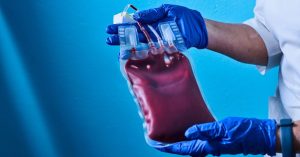
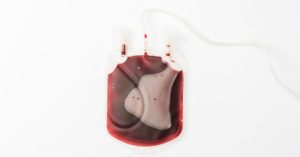
The term “asymptomatic Babesia” is misleading. It’s often used in blood donation research to describe donors who transmit Babesia to others. But these individuals often have subtle symptoms—fatigue, insomnia, brain fog—that are misattributed or dismissed.
Worse, the recipient of the blood can go on to develop severe babesiosis. So I caution against assuming that “asymptomatic” equals harmless.
Testing Gaps: We Still Don’t Have a Clearance Test
Clearing Babesia from the blood doesn’t mean the infection is gone:
- Smears are often negative once parasite levels drop.
- PCR testing may not pick up low levels.
- Antibodies may never appear—or may linger despite treatment.
There is no test that confirms Babesia is truly cleared.
This uncertainty reflects broader challenges seen in persistent infection and immune dysfunction, where symptoms may continue despite negative testing. Learn more about persistent Lyme disease mechanisms.
That’s why I monitor symptoms closely and use them to guide babesia treatment duration. For more on testing challenges, see Babesia Testing: Why Negative Results Don’t Always Mean Negative.
Why I Avoid Clindamycin and Quinine
Clindamycin and quinine were early treatments but often cause severe side effects like tinnitus, vertigo, and GI upset. I rarely use them. Today, safer and better-tolerated combinations—like atovaquone with azithromycin or other agents—have made treatment more manageable.
Babesia Treatment Duration: Let Symptoms Guide You
Babesia is often underdiagnosed, undertreated, and misunderstood. In my practice, babesia treatment duration varies—because the course of illness varies. A rigid 10-day rule doesn’t work for every patient.
Instead, I treat based on the whole picture:
- Symptoms
- Co-infections
- Tolerance
- Response to treatment
And I start sooner when the signs are clear—even if the labs are not. For patients who remain ill after Lyme treatment, unrecognized Babesia is often the reason. See Post-Treatment Lyme Disease Syndrome for more on persistent symptoms.
Clinical Takeaway
Babesia treatment duration should be guided by symptoms—not fixed timelines. Many patients require longer courses, especially when co-infections or immune dysfunction are present.
- Standard Lyme antibiotics do not treat Babesia
- Start treatment early when symptoms suggest infection—even if tests are negative
- Continue treatment until symptoms resolve, then extend to reduce relapse risk
- Monitor clinical response—there is no reliable clearance test
Frequently Asked Questions
How long should Babesia treatment last?
Babesia treatment duration varies by patient. While standard guidelines suggest 7–10 days, many patients—especially those with chronic or co-infected cases—need longer courses guided by symptom response.
Why didn’t 10 days of treatment work?
Ten days may be insufficient for patients diagnosed late, those with immune dysfunction, or those with concurrent Lyme disease. Symptoms—not calendars—should determine when to stop.
Can Babesia come back after treatment?
Yes. Relapse is common, especially if treatment was too short or co-infections weren’t addressed. Persistent symptoms may require retreatment or longer courses.
How do I know when Babesia treatment is working?
Signs of improvement include fewer night sweats, reduced air hunger, better energy, and clearer thinking. These changes often happen gradually over weeks.
Is there a test to confirm Babesia is cleared?
No. There’s no reliable clearance test. Smears and PCR often turn negative before the infection is fully resolved. Clinical judgment based on symptoms is essential.
For comprehensive Babesia information organized by topic—including symptoms, testing, treatment, blood transfusion risks, and special populations—visit our complete Babesia guide.
Related Reading
- Babesia and Lyme Disease: Symptoms and Treatment
- Babesia Treatment Protocol: What Works When Standard Therapy Fails
- Lyme Disease Relapse Babesia: Why Symptoms Return
References
- Krause PJ, et al. Atovaquone and azithromycin for the treatment of babesiosis. N Engl J Med. 2000.
- Centers for Disease Control and Prevention. Clinical Overview of Babesiosis.
Dr. Daniel Cameron, MD, MPH
Lyme disease clinician with over 30 years of experience and past president of ILADS.
Symptoms • Testing • Coinfections • Recovery • Pediatric • Prevention