AI, Lyme Science Blog
Dec 12

Babesia Undertesting: Why Only 3% of Tick Patients Get Screened

Like
Visited 383 Times, 2 Visits today

Babesia undertesting is a significant problem in tick-borne disease management. A study examining nearly 3 million specimens found that only 3% involved testing for Babesia—yet research shows up to 30% of Lyme disease patients may be co-infected.


Babesia Undertesting: The Numbers

When data was collected from 7 large commercial laboratories, results indicated that out of nearly 3 million (2,978,881) specimens tested for tick-borne diseases, only 3% involved testing for Babesia.

The disparity is striking:

  • Lyme disease tests ordered: 2,432,396
  • Babesia tests ordered: 85,323

This means doctors order Lyme tests nearly 30 times more often than Babesia tests—despite the high rate of co-infection.


30% of Lyme Patients Test Positive for Babesia

A study published in Vector-Borne and Zoonotic Diseases examined the seroprevalence of B. microti infection in individuals who tested positive for Lyme disease. The authors found that nearly 30% (28.6%) of serum samples taken from individuals with Lyme disease tested positive for Babesia.

The high prevalence is consistent with other research. “Co-infection rates of B. microti with B. burgdorferi in humans vary greatly and can range from 10% to 32%,” according to Curcio from the Department of Biomedical Sciences, Long Island University.

In the 2015 issue of Trends in Parasitology, Diuk-Wasser and colleagues report that up to 40% of patients with Lyme disease experienced concurrent Babesiosis.


Why Babesia Undertesting Matters

Identifying Babesia is critical since antibiotic treatment differs from that prescribed for Lyme disease.

“Doxycycline is the preferred oral treatment because it has activity against other tick-borne illnesses such as human granulocytic anaplasmosis, whereas the treatment for Babesiosis is a combination of atovaquone and azithromycin,” explains Curcio.

When patients have both infections but only get tested for Lyme, they may receive doxycycline alone—which won’t treat their Babesia. This leads to persistent symptoms and delayed recovery.


Children at Highest Risk

In the Curcio study, the highest incidence of Babesia occurred in children between 1 and 10 years old.

This is concerning because Babesia in young children can be difficult to diagnose. The symptoms overlap with many childhood illnesses, and doctors may not think to test for tick-borne co-infections.


Blood Supply Concerns

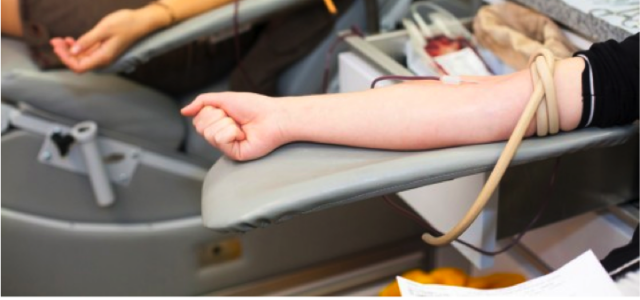
Curcio and colleagues express concern over the transmission of Babesia through blood banks if patients are not evaluated for the disease.

B. microti is the highest ranking pathogen that is transmitted by blood transfusion in the United States, for which there is no FDA-approved donor screen currently implemented.”

“Transfusion transmitted babesiosis (TTB) has high fatality in transfusion recipients with 28 deaths attributed to complications from TTB reported from 1979 to 2009,” she adds. “And 4 TTB-associated deaths reported to the FDA between 2010 and 2014.”

Babesia has already been reported in the blood supply. A study by Tonnetti and colleagues found that of the 2,150 donations tested in Minnesota, 42 donors (2.0%) were positive by IFA.

“It could be expected that the number of tested blood donors in New York State would be higher,” explains Curcio, “as it represents 37.2% of the total number of CDC-reported babesiosis cases.”


The Case for Universal Screening

The authors suggest babesiosis screening for the nearly 5 million recipients who undergo blood transfusions annually in the USA. “Thus, the implementation of an FDA-approved screening has the potential to save many lives.”

Beyond blood banks, clinicians should consider Babesia testing for any patient in an endemic area with:

  • Confirmed or suspected Lyme disease
  • Persistent symptoms despite Lyme treatment
  • Unexplained anemia or low platelets
  • Night sweats, air hunger, or cyclical fevers

Editor’s Note

Babesia undertesting remains a major gap in tick-borne disease management. When only 3% of specimens are tested for Babesia—but 30-40% of Lyme patients may be co-infected—we’re missing a significant number of cases.

The clinical presentation and outcome for patients positive for Babesia was not examined in this study. “We presumed that these individuals were symptomatic because they were being tested for Lyme disease; however, we have no clinical information regarding previous tick exposure or diagnoses,” according to Curcio.

In my practice, I routinely test for co-infections in patients with Lyme disease. The high rate of Babesia co-infection—and the different treatment required—makes this essential.


Frequently Asked Questions

Why is Babesia undertested?

Many doctors don’t think to order Babesia tests, especially outside known endemic areas. Out of nearly 3 million tick-borne disease tests, only 3% included Babesia screening.

How common is Babesia in Lyme patients?

Studies show 10-40% of Lyme disease patients may have concurrent Babesia. One study found 28.6% of Lyme patients tested positive for Babesia antibodies.

Why does it matter if Babesia is missed?

Lyme disease treatment (doxycycline, amoxicillin) doesn’t treat Babesia. Patients with both infections need additional medications—atovaquone plus azithromycin—to recover.

Should all Lyme patients be tested for Babesia?

In endemic areas, yes. Especially if symptoms persist despite treatment, or if the patient has anemia, low platelets, night sweats, or air hunger.

Is Babesia a risk for blood transfusions?

Yes. B. microti is the highest-ranking transfusion-transmitted pathogen in the US. There have been at least 32 deaths from transfusion-transmitted babesiosis.


References

  1. Curcio SR, Tria LP, Gucwa AL. Seroprevalence of Babesia microti in Individuals with Lyme Disease. Vector Borne Zoonotic Dis. 2016;16(12):737-743.
  2. Krause PJ, Telford SR 3rd, Spielman A, et al. Concurrent Lyme disease and babesiosis: Evidence for increased severity and duration of illness. JAMA. 1996;275(21):1657-1660.
  3. Johnson L, Wilcox S, Mankoff J, Stricker RB. Severity of chronic Lyme disease compared to other chronic conditions: a quality of life survey. PeerJ. 2014;2.
  4. Diuk-Wasser MA, Vannier E, Krause PJ. Coinfection by Ixodes Tick-Borne Pathogens: Ecological, Epidemiological, and Clinical Consequences. Trends Parasitol. 2015.
  5. Connally NP, Hinckley AF, Feldman KA, et al. Testing practices and volume of non-Lyme tickborne diseases in the United States. Ticks Tick Borne Dis. 2016;7(1):193-198.
  6. Tonnetti L, Thorp AM, Deisting B, et al. Babesia microti seroprevalence in Minnesota blood donors. Transfusion. 2013;53(8):1698-1705.

Related Reading

Related Posts

Leave a Comment

Your email address will not be published. Required fields are marked *