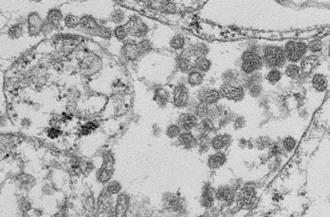
Bourbon Virus Treatment: Can a Flu Drug Help?
There are no approved treatments.
But a flu drug may offer hope.
Bourbon virus treatment remains a major unmet need in tick-borne disease.
In 2017, a 58-year-old woman from Missouri presented with weakness, muscle aches, nausea, and a rash after tick exposure. She was diagnosed with Bourbon virus infection and died after 23 days in the hospital.
Relatively little is known about the virus. Reported symptoms include fever, fatigue, rash, headache, body aches, nausea, and vomiting.
There are currently no approved diagnostic tests, treatments, or vaccines.
A Potential Treatment Identified
Researchers at Washington University School of Medicine in St. Louis identified a possible treatment using a mouse model.
In a study by Boon and colleagues, the antiviral drug favipiravir—used to treat influenza in some countries—was tested against Bourbon virus.
The results were striking:
- 100% of untreated infected mice died
- 100% of treated mice survived
“Without the flu drug, 100% of the infected mice died, and with the treatment, 100% survived,” said Boon, senior author of the study.
Works Even After Symptoms Begin
To better simulate real-world conditions, researchers also tested treatment after infection was already established.
Mice began treatment three days after infection, when they were already losing weight and the virus had spread throughout the body.
Within one day of treatment, the mice stopped losing weight and began to recover.
All treated animals survived, while untreated animals did not.
[bctt tweet=”A flu drug may offer a potential treatment for the deadly Bourbon virus, based on animal studies.” username=”DrDanielCameron”]
How the Drug Works
Favipiravir is a broad-spectrum antiviral that inhibits viral RNA replication.
The study showed that it effectively stopped Bourbon virus replication in infected mice.
Clinical implication: antivirals developed for other RNA viruses may be useful for emerging tick-borne infections.
Limitations and Next Steps
Favipiravir is approved in Japan for influenza but is not currently approved in the United States.
While results in animal models are promising, further studies are needed to determine whether the drug is safe and effective in humans.
This remains an experimental approach—not yet a standard treatment.
Clinical Takeaway
Bourbon virus treatment options are currently limited, but antiviral therapies may offer future solutions.
This study highlights the importance of identifying treatments for emerging tick-borne diseases—especially those with high mortality and limited diagnostic tools.
Key question: Could existing antiviral drugs be repurposed to treat emerging tick-borne infections?
Related Articles:
10 cases of Heartland virus reviewed
Chikungunya virus can mimic Lyme disease
Reference:
- Bricker TL, et al. Therapeutic efficacy of Favipiravir against Bourbon virus in mice. PLOS Pathogens. 2019.
Dr. Daniel Cameron, MD, MPH
Lyme disease clinician with over 30 years of experience and past president of ILADS.
Symptoms • Testing • Coinfections • Recovery • Pediatric • Prevention