Powassan Virus: Does It Always Cause Encephalitis?
Many Powassan virus infections cause no symptoms
Not everyone develops encephalitis or meningitis
Severe disease can cause lasting neurologic complications
Powassan virus does not always cause encephalitis. Many people infected with Powassan virus develop no symptoms, while others experience a mild febrile illness. Some patients develop serious neurologic disease, including encephalitis or meningitis.
Powassan virus (POWV) is transmitted through the bite of an infected tick, including the blacklegged or deer tick. Transmission may occur much more quickly than with Lyme disease. No vaccine or specific antiviral medication is currently available for Powassan virus infection.
According to the Centers for Disease Control and Prevention, approximately 1 in 10 people who develop severe Powassan virus disease die. About half of those who survive severe illness experience long-term health problems, which may include recurring headaches, muscle weakness, or memory difficulties.
Although severe cases often receive the most attention, they do not represent the full spectrum of Powassan virus infection. A study published in Emerging Infectious Diseases found serologic evidence suggesting that some infections may be mild or minimally symptomatic.
Three Children With Lyme Disease and Powassan Virus Antibodies
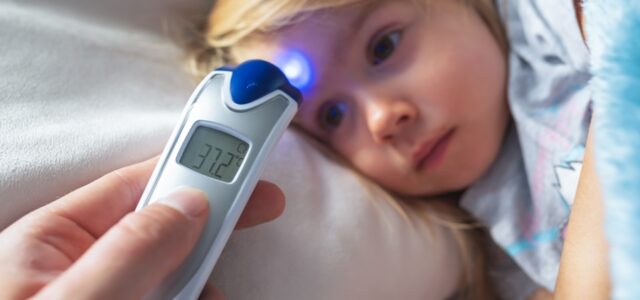
Frost and colleagues from the Marshfield Clinic in northern Wisconsin evaluated 95 patients with suspected tick-borne illness who tested positive for Borrelia burgdorferi, the bacterium responsible for Lyme disease. The patients visited the clinic between July and August 2015.
Clinical information was available for 51 of the 95 patients. Among them were three girls who had serologic evidence consistent with recent Powassan virus infection, along with antibodies to B. burgdorferi.
Importantly, none of the three children developed neuroinvasive disease such as encephalitis or meningitis.
- Age 14: Presented with a three-day history of an urticarial rash and was treated with doxycycline for 14 days.
- Age 4: Presented with a one-week history of fever reaching 103°F, listlessness, headache, fatigue, and a maculopapular rash. She was treated with amoxicillin for 21 days.
- Age 3: Presented with a one-week history of intermittent fever, fussiness, and an erythema migrans rash. After developing an urticarial rash while taking cefuroxime, she was switched to amoxicillin for 21 days.
These children were treated for Lyme disease. Antibiotics do not treat Powassan virus, which is a viral infection.
Not All Powassan Virus Infections Cause Encephalitis
The authors’ conclusion is encouraging:
“The spectrum of disease is broader than previously realized, with most patients having minimally symptomatic infection.”
Powassan virus infection does not always lead to hospitalization. Hospital care is generally required when patients develop severe neurologic disease, such as encephalitis or meningitis.
These findings suggest that Powassan virus encephalitis does not occur in every case and that some patients recover without serious neurologic damage. However, this was a small study based on serologic evidence, and the findings do not establish how frequently mild or asymptomatic infections occur in the general population.
Updated: August 2, 2026
Frequently Asked Questions
Does Powassan virus always cause encephalitis?
No. Many people infected with Powassan virus have no symptoms. Others develop a mild illness, while some develop encephalitis, meningitis, or other severe neurologic complications.
What are the early symptoms of Powassan virus?
Early symptoms may include fever, headache, vomiting, and weakness. Symptoms generally begin between one week and one month after an infected tick bite.
What symptoms may indicate severe Powassan virus disease?
Confusion, seizures, loss of coordination, difficulty speaking, or other sudden neurologic symptoms may indicate encephalitis or meningitis and require urgent medical evaluation.
Is there a treatment for Powassan virus?
There is no specific antiviral medication for Powassan virus. Treatment is supportive, and patients with severe neurologic disease may require hospitalization.
Related Articles
References
Centers for Disease Control and Prevention. (2026). Symptoms of Powassan.
Frost, H. M., Schotthoefer, A. M., Thomm, A. M., Dupuis, A. P., Kehl, S. C., Kramer, L. D., Fritsche, T. R., Harrington, Y. A., & Knox, K. K. (2017). Serologic evidence of Powassan virus infection in patients with suspected Lyme disease. Emerging Infectious Diseases, 23(8), 1384–1388.
This article is for informational purposes only and is not a substitute for medical advice, diagnosis, or treatment.
Dr. Daniel Cameron, MD, MPH
Lyme disease clinician with over 30 years of experience and past president of ILADS.
Symptoms • Testing • Coinfections • Recovery • Pediatric • Prevention

My son was in a coma at Brigham & Womens in the fall of 2014. It was Powassan & LD. He had Lyme pneumonia at age 5. My son lived! He later went to Vanderbilt university to donate his plasma for possible future vaccine against Powassan. My son is 14th generation Cape Cod. I nearly died 1996 from my involvement in LD vaccine study! Its an epidemic here! Sad.. & slow