Babesia Risk Expands: Citizen Scientists Identify Emerging Threat
Babesia risk is expanding across the United States, with new data showing infected ticks in areas not previously considered endemic.
A study by Nieto and colleagues used a citizen science approach to better understand human exposure to tick-borne infections, including Babesia microti.
Unlike traditional surveillance, this study focused on ticks collected directly from people or their environments—offering a more real-world picture of exposure risk.
Babesia Risk Detected in Multiple Tick Species
Citizen scientists submitted 16,080 ticks for analysis. Researchers screened them for multiple pathogens, including Borrelia burgdorferi, Borrelia miyamotoi, Anaplasma phagocytophilum, and Babesia microti.
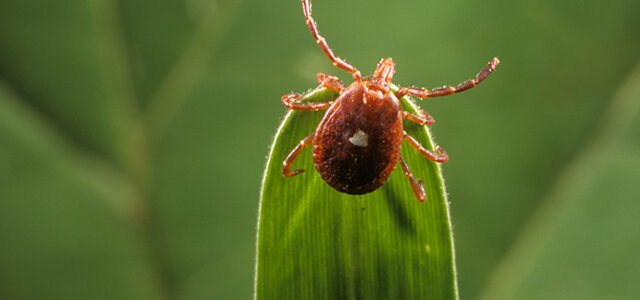
The highest prevalence of B. microti was found in lone star ticks (Amblyomma americanum) at 2.5%.
B. microti was also detected in deer ticks (Ixodes scapularis) at 1.8%.
While the role of lone star ticks in transmitting Babesia remains uncertain, these findings raise important questions about expanding transmission pathways.
Babesia Co-Infection with Lyme Disease
Co-infections were common in this dataset.
The most frequent combination involved Anaplasma and Borrelia, but Babesia microti and Borrelia burgdorferi also occurred together.
In the Northeastern United States, up to 40% of patients with Lyme disease may also be infected with Babesia.
This overlap is clinically important, as Babesia can increase the severity and duration of illness.
Babesia Risk Emerging in New States
Researchers identified B. microti-infected ticks in states where Babesia had not previously been reported, including:
- Alabama
- Arkansas
- Indiana
- Mississippi
These findings suggest that Babesia risk is expanding beyond traditional endemic regions.
However, the authors caution that further studies are needed to confirm whether all tick species identified are capable of transmitting the parasite to humans.
Clinical Perspective
This study highlights the growing importance of considering Babesia in patients with tick exposure—even outside historically recognized areas.
Clinicians should remain alert to co-infections, particularly when symptoms are more severe or prolonged than expected for Lyme disease alone.
Babesia risk is no longer geographically limited and should be part of routine clinical consideration in tick-borne illness.
References
- Nieto NC, Porter WT, Wachara JC, et al. Using citizen science to assess tick-borne disease risk. PLoS One. 2018.
- Diuk-Wasser MA, Vannier E, Krause PJ. Coinfection by Ixodes pathogens. Trends Parasitol. 2015.
- Krause PJ, et al. Concurrent Lyme disease and babesiosis. JAMA. 1996.
Related Reading
- Babesia and Lyme: What Patients Need to Know
- Babesia Cases Rising in the Hudson Valley
- Lyme Disease Co-Infections
Dr. Daniel Cameron, MD, MPH
Lyme disease clinician with over 30 years of experience and past president of ILADS.
Symptoms • Testing • Coinfections • Recovery • Pediatric • Prevention