Could Monoclonal Antibodies Prevent Lyme Disease?
Researchers are studying Lyme PrEP as a preventive shot.
Monoclonal antibodies may provide immediate protection.
Questions remain about cost, durability, and strain coverage.
UPDATED: April 8, 2021
Could monoclonal antibodies for Lyme disease prevent infection before symptoms ever begin?
The first human clinical trial of Lyme PrEP, a seasonal shot intended to prevent Lyme disease, began enrolling volunteers to evaluate the safety and pharmacology of the treatment.1
Unlike traditional vaccines, Lyme PrEP delivers a single anti-Lyme antibody directly into the bloodstream.
“Lyme PrEP prevents infection by delivering a single, human anti-Lyme antibody, or blood protein, directly to a person rather than triggering their own immune system to make many antibodies as vaccines do,” the authors explain.
READ MORE: Preventative Shot for Lyme Disease Enters Clinical Trial
How Lyme PrEP Works
Studies by MassBiologics demonstrated that Lyme PrEP provided immediate protection after injection.
According to Dr. Mark Klempner:
“We identified the single antibody that led to immunity and tested it in animals where it proved 100 percent effective.”
The Phase I clinical trial was designed to evaluate:
- Safety in humans
- How long antibodies remain in the bloodstream
- Whether seasonal protection is feasible
Monoclonal Antibodies vs. Lyme Vaccines
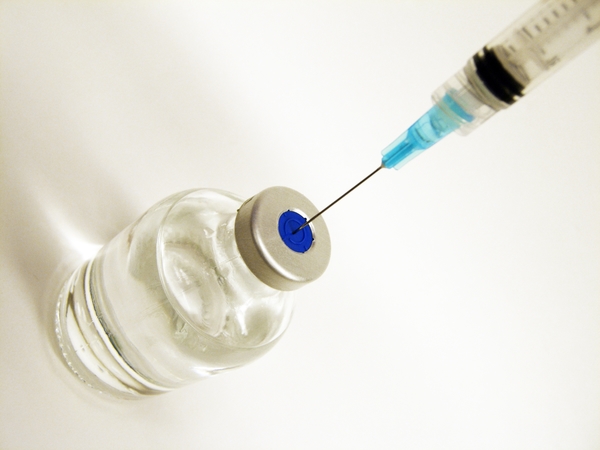
Researchers describe promising results for a preventive Lyme antibody approach.
Klempner explained that vaccines stimulate the body to generate its own immune response by exposing patients to bacterial or viral components.
Monoclonal antibodies work differently.
Rather than stimulating antibody production, the treatment delivers pre-formed antibodies directly to the patient.
The protection may be immediate, although repeat seasonal injections may eventually be required.
Questions About Cost and Accessibility
A major unresolved question surrounding monoclonal antibody treatment involves affordability and accessibility.
An NBC News article discussing the early research noted that monoclonal antibody therapies are often expensive, in some cases costing more than $100,000 annually.
Klempner stated that the university’s goal was to make the treatment available at lower cost.
Questions Researchers Still Need to Answer
The early findings are promising, but several important questions remain:
- Will monoclonal antibodies work against multiple strains of Borrelia burgdorferi?
- Will they provide protection against other Borrelia species such as Borrelia miyamotoi?
- Could similar preventive antibodies eventually target Babesia or Anaplasma?
- Will side effects emerge in larger human studies?
- How long will protection last?
History of the Lyme Disease Vaccine
The article also revisited the history of the prior Lyme disease vaccine, which was removed from the market in 2002.
The CDC notes that protection from the older vaccine diminished over time and that individuals vaccinated before 2002 are unlikely to remain protected today.
The history of Lyme vaccines continues to shape public discussion around newer preventive approaches.
Clinical Perspective
Preventive monoclonal antibodies represent a different strategy from traditional vaccination and may eventually offer seasonal protection against Lyme disease.
However, questions regarding effectiveness across strains, duration of immunity, affordability, and broader tick-borne disease coverage remain unresolved.
FAQ: Monoclonal Antibodies and Lyme Disease
What is Lyme PrEP?
Lyme PrEP is an investigational monoclonal antibody injection designed to prevent Lyme disease before infection occurs.
How are monoclonal antibodies different from vaccines?
Vaccines stimulate the body to produce antibodies, while monoclonal antibodies deliver pre-formed antibodies directly into the bloodstream.
Can monoclonal antibodies immediately protect against Lyme disease?
Animal studies suggested immediate protection after injection, though human studies are still ongoing.
Related Articles:
Lyme disease vaccine for humans: would you trust it?
Researchers race to develop a vaccine
Questions linger on the efficacy of the Lyme disease vaccine
References:
- UMass Medical School. Feb. 24, 2021. Preventative shot for Lyme disease, developed at UMass Medical School, enters clinical trial.
- Lyme Disease Treatment Would Prevent Infection, Researchers Say, by Maggie Fox at NBCNews.com. Available from: https://www.nbcnews.com/health/health-news/lyme-disease-treatment-would-prevent-infection-researchers-say-n441946.
- Lyme disease vaccine, Centers for Disease Control and Prevention. Available from: https://www.cdc.gov/lyme/prev/vaccine.html.
- What you need to know about Borrelia miyamotoi. Centers for Disease Control and Prevention (CDC). Available from: https://www.cdc.gov/ticks/miyamotoi.html.
Dr. Daniel Cameron, MD, MPH
Lyme disease clinician with over 30 years of experience and past president of ILADS.
Symptoms • Testing • Coinfections • Recovery • Pediatric • Prevention

The way I understand the whole monoclonal antibody thing is that you are essentially creating a bunch of clones of a particular immune cell that is trained (long and complicated genetics discussion) to identify a specific flag (e.g. antigen) on the borrelia species. In theory you could create a cocktail of monoclonal antibodies for all the different flags on the bugs in a tick bite. You could even create one that accounts for the fact that the borrelia changes it’s flags once it realizes they have become miniature GPS tracking devices, by preemptively adding antibodies to the shape-shifted flags on the bacteria.
If this understanding is correct (albeit an oversimplified non-biologist’s understanding) then here are a few more questions to add to the list:
1. How do you do this without proving that you know how to precisely identify the bacterial species actively expressing proteins in the body through PCR genotyping of 16s rRNA?
2. If you have managed to hide the implication that the tools for better diagnostics are immediately available in #1, how do you convince anyone you’ve managed to select what is unique to the bacterial genome and isn’t going to trigger another auto-immune response?
3. If you have managed to hand-wave on #1 and #2, how do you account for bacteria that have put up flags that are the same color as the flags on our normal immune system cells? Molecular mimicry will always be a tool in the arsenal of any b.b. species. As with bacterial evolution brought on by the onslaught of antibiotics, its only a matter of time before this tool is genetically transferred to the other co-infectious agents via shared plasmids. How do you talk about this inherent limitation (all drugs have their limits)?