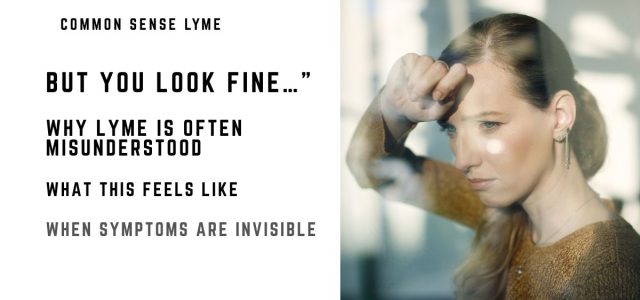
Justin Timberlake and the “But You Look Good” Lyme Disease Myth
“But you look good.” It’s a phrase many patients with Lyme disease hear — and rarely forget.
When Justin Timberlake revealed his Lyme disease diagnosis, many fans were surprised. He had been touring, performing, and appearing publicly without obvious signs of illness.
But that reaction highlights one of the most misunderstood aspects of Lyme disease and other invisible illnesses: outward appearance often fails to reflect the severity of symptoms.
Many patients with Lyme disease continue working, parenting, traveling, or functioning socially while quietly struggling with fatigue, pain, dizziness, cognitive dysfunction, sensory overload, or autonomic symptoms.
Why “But You Look Good” Can Be Harmful
Although often intended as reassurance, comments about “looking good” may feel dismissive to patients dealing with chronic symptoms.
Patients frequently describe an added burden: not only managing illness, but feeling pressured to prove they are sick enough to deserve understanding, accommodations, or medical attention.
This misunderstanding may contribute to:
- Delayed diagnosis and treatment
- Dismissal of disabling symptoms
- Reduced workplace or family support
- Strained relationships with healthcare providers
Symptoms Often Remain Invisible
Many Lyme disease symptoms are neurologic, autonomic, cognitive, or sensory — meaning they are difficult to recognize externally.
Patients may appear healthy while struggling internally with:
- Fatigue
- Brain fog
- Dizziness or POTS-like symptoms
- Joint or muscle pain
- Sensory hypersensitivity
- Sleep disruption
- Anxiety or mood changes
These symptoms can significantly impair daily functioning despite leaving no obvious outward signs.
Invisible Symptoms Still Affect Daily Function
I’ve treated patients who continued working full-time, caring for children, or attending school while struggling with severe fatigue, dizziness, cognitive slowing, or pain.
Some appeared composed publicly while privately rationing energy simply to get through the day.
One teenager with Babesia was labeled lazy. Another patient was told her symptoms were “just stress.” Both heard variations of the same message: “But you look fine.”
Comments like these can unintentionally minimize the physiologic burden patients experience.
Why Appearance Does Not Reflect Severity
Lyme disease symptoms often fluctuate.
Patients may look relatively well during short interactions yet deteriorate afterward due to fatigue, post-exertional symptom worsening, autonomic dysfunction, or sensory overload.
This mismatch between appearance and functioning is common in Lyme disease, post-treatment Lyme disease syndrome, long COVID, ME/CFS, and other post-infectious conditions.
For more on overlapping autonomic symptoms, see Autonomic Dysfunction in Lyme Disease.
What Supportive Communication Sounds Like
Supportive responses often focus less on appearance and more on understanding the patient’s experience.
Helpful alternatives may include:
- “How have you been feeling lately?”
- “That sounds exhausting.”
- “Let me know how I can help.”
- “I understand symptoms are not always visible.”
These responses acknowledge invisible illness without requiring patients to defend their symptoms.
Clinical Perspective
Lyme disease symptoms often involve neurologic, cognitive, autonomic, and inflammatory dysfunction that may not be externally visible.
As a result, appearance alone is often a poor indicator of symptom severity or daily functioning.
Recognizing invisible symptom burden may help reduce delayed diagnosis, misunderstanding, and dismissal of patients experiencing fluctuating neurologic illness.
Clinical Takeaway
Patients with Lyme disease may appear outwardly healthy while struggling with significant fatigue, cognitive dysfunction, dizziness, pain, autonomic symptoms, or sensory overload.
Symptoms do not need to be visible to significantly affect daily functioning and quality of life.
Further Reading
Dr. Daniel Cameron, MD, MPH
Lyme disease clinician with over 30 years of experience and past president of ILADS.
Symptoms • Testing • Coinfections • Recovery • Pediatric • Prevention


I feel seen. Thank you.
Especially when you hear it from DRs!!
…but you don’t look sick…
My son has Lyme disease combined with Mold infection. Hasn’t found any relief after 5 yrs. Do you have any suggestions?
He’s desperate!!
I have patient in my practice who have a persistent tick borne infection that has been overlooked ie Babesia