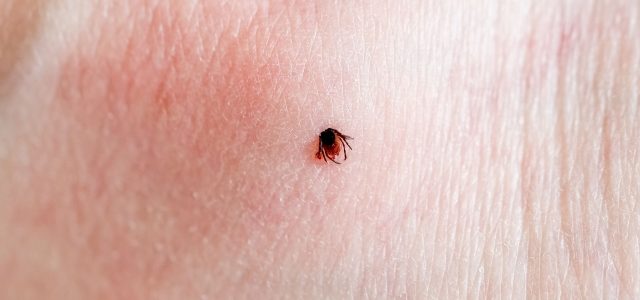
Lyme Rash Misdiagnosis: Not Always a Bull’s-Eye
A bull’s-eye rash is often associated with Lyme disease, but the opposite problem is common — Lyme rash misdiagnosis. Many patients with Lyme disease never develop the classic bull’s-eye pattern. When clinicians rely on that textbook image alone, early infection can be overlooked.
When people search for “bullseye rash not Lyme”, they are often trying to understand confusing or atypical skin findings. In reality, the problem frequently runs the other direction: Lyme disease rashes are mistaken for other conditions.
Instead of the classic ring pattern, Lyme rashes may appear as a uniform red patch, multiple scattered spots, or faint lesions that do not resemble the familiar bull’s-eye. Because these presentations differ from the textbook description, Lyme rash misdiagnosis happens frequently.
Patients are often told their rash is a spider bite, ringworm, cellulitis, or eczema. These mislabels delay treatment — sometimes for months — allowing the infection to spread to joints, nerves, and the brain. The belief that Lyme always presents with a bull’s-eye is one of the most harmful Lyme disease misconceptions in clinical practice.
Types of Lyme Rashes That Lead to Misdiagnosis
Lyme disease skin findings vary more than many clinicians realize, which contributes to Lyme rash misdiagnosis. While erythema migrans (EM) is the hallmark finding, Lyme disease rashes can appear in several different forms.
A Lyme-related rash may appear as:
- Solid red lesions – the most common form, often mistaken for cellulitis or an allergic reaction
- Multiple rashes – a sign that infection has disseminated through the bloodstream
- Atypical or faint presentations – sometimes dismissed as heat rash, hives, or viral exanthems
Importantly, although the bull’s-eye rash is often described as expanding, many Lyme rashes do not enlarge dramatically. This lack of obvious expansion further contributes to Lyme rash misdiagnosis.
Clinical Clues That Suggest Lyme Disease
Several clinical features can help distinguish Lyme rashes from other skin conditions:
- They may feel warm but are usually not painful like cellulitis
- The rash may remain relatively stable in size rather than expanding daily
- Lesions are frequently larger than 2 inches in diameter when first evaluated
A skin biopsy may show inflammation around blood vessels, but these findings are nonspecific and rarely confirm Lyme disease. For this reason, diagnosis often depends on clinical judgment rather than laboratory confirmation.
Why Lyme Rash Misdiagnosis Matters
Each time a Lyme rash is mistaken for another condition, it represents a missed opportunity for early treatment — when recovery rates are highest.
Patients who are reassured they do not have Lyme disease may later develop fatigue, brain fog, joint swelling, or nerve symptoms. These complications might have been prevented if the infection had been treated earlier.
Clinical Takeaways for Recognizing Lyme Rashes
- Consider Lyme disease whenever a patient presents with an unexplained skin lesion in an endemic area.
- Do not rely solely on the bull’s-eye appearance to diagnose erythema migrans.
- When an EM rash is suspected, early treatment should not wait for blood test confirmation.
Final Word on Bull’s-Eye Rash Confusion
The assumption that Lyme rashes must look like a perfect bull’s-eye has delayed diagnosis for countless patients. Lyme rash misdiagnosis occurs because skin findings can be subtle, variable, and easily mistaken for other conditions.
By broadening the differential diagnosis and relying on clinical judgment, clinicians can diagnose Lyme disease earlier, treat faster, and reduce the risk of chronic complications.
Resources
- CDC – Lyme Disease Rashes
- Atypical findings in Lyme disease make diagnosis difficult
- Lyme disease mimics cellulitis skin infection
Dr. Daniel Cameron, MD, MPH
Lyme disease clinician with over 30 years of experience and past president of ILADS.
Symptoms • Testing • Coinfections • Recovery • Pediatric • Prevention