Is Lyme Disease New?
Is Lyme disease new? Although Lyme disease was first recognized in Connecticut in the 1970s, evidence suggests the bacteria responsible for the illness have existed for thousands — and possibly millions — of years.
Scientists have identified Lyme-like bacteria in ancient ticks preserved in amber and even in the DNA of a 5,300-year-old human known as Ötzi the Iceman. These discoveries suggest that tick-borne infections long predate modern medicine.
The long evolutionary history of tick-borne infections helps explain why these illnesses continue to challenge physicians today — a theme explored further in Why Lyme Disease Tests the Limits of Medicine.
Ancient ticks suggest Lyme bacteria may be millions of years old
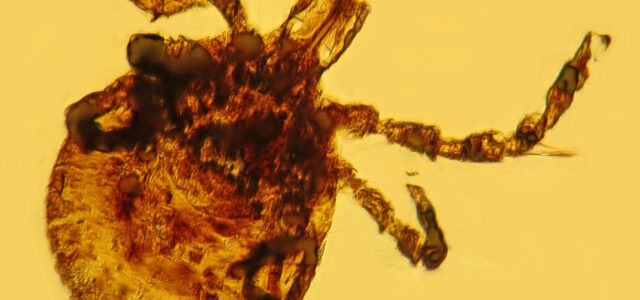
In an accidental discovery, Professor George Poinar Jr., a palaeoentomologist and parasitologist, identified ticks preserved in a piece of amber estimated to be between 15 and 20 million years old. The scientist from Oregon State University had acquired the amber while visiting the Dominican Republic 25 years earlier but only recently examined it using a powerful compound microscope.
What he saw was astonishing: tiny fossilized ticks with ancient bacteria trapped inside.

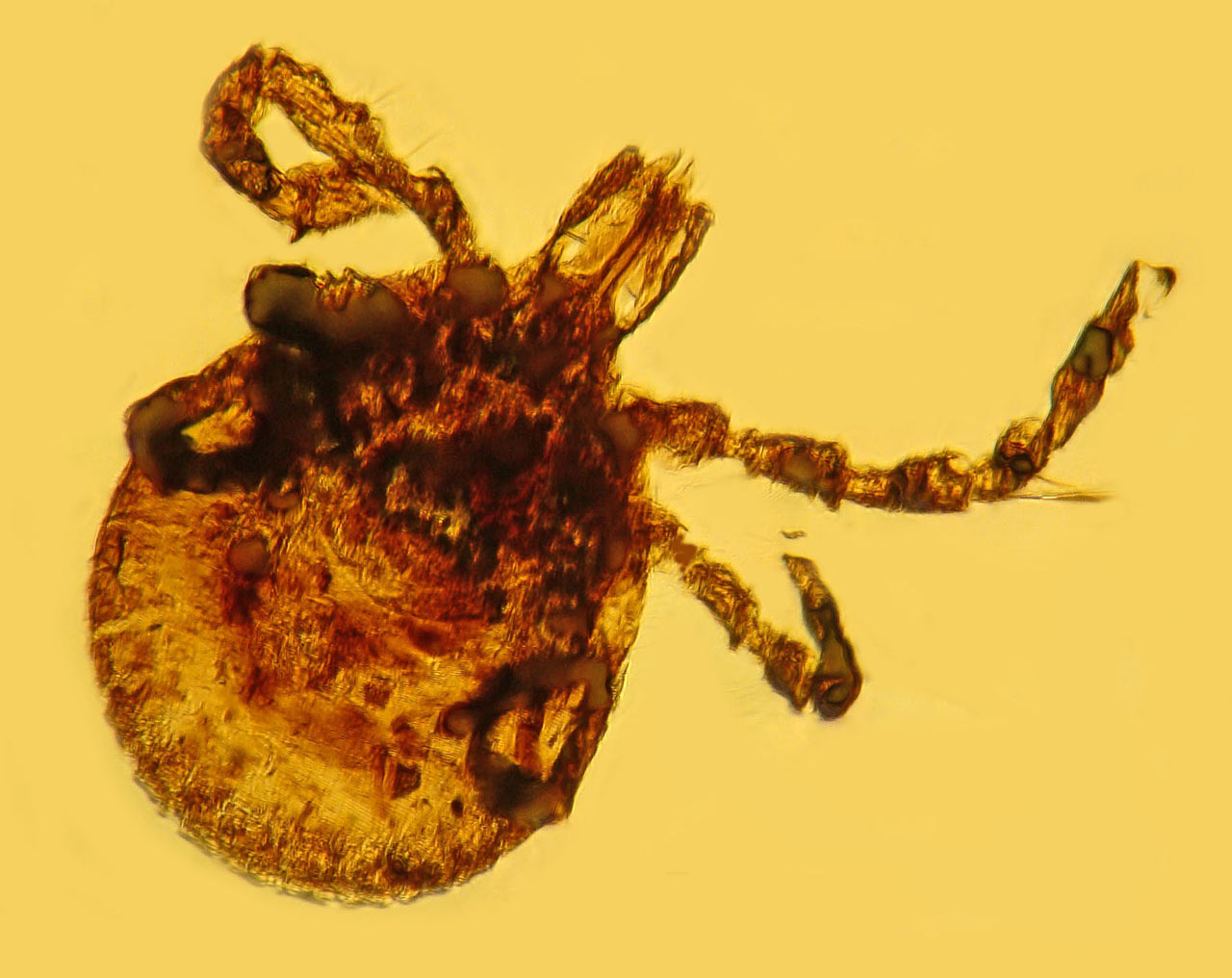
Poinar found spirochete-like cells of Palaeoborrelia dominicana in one of four ticks (Amblyomma species) preserved in the amber.
He could not attempt DNA analysis because doing so would destroy the specimen. However, the bacteria’s morphology and location within the tick’s digestive tract indicate that it likely has ties to modern Borrelia bacteria.
These findings suggest that tick-borne spirochetes related to Lyme disease may have existed millions of years before humans appeared.
Evidence of Lyme bacteria in a 5,300-year-old human
Another remarkable discovery dates the Lyme bacterium back at least 5,300 years.
Researchers from McMaster University examined the tissues of a 5,300-year-old man found frozen in the Italian Alps, commonly known as Ötzi the Iceman.
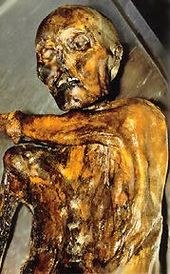
Genome sequencing of his DNA revealed genetic material from Borrelia burgdorferi, the bacterium responsible for Lyme disease.
This discovery shows that humans were infected with Lyme bacteria thousands of years before the illness was formally described.
According to Poinar, ticks have likely been transmitting spirochete infections to humans throughout human history.
“I’m sure that our human ancestors suffered from ailments caused by spirochetes carried by ticks.”
If Lyme disease is ancient, why was it discovered only recently?
Although Lyme bacteria have existed for thousands of years, Lyme disease was not recognized as a distinct illness until the 1970s.
Its modern discovery began with the concern of two mothers from Old Lyme, Connecticut.
In November 1975, one mother informed the Connecticut State Health Department that 12 children in the community had a disease diagnosed as juvenile rheumatoid arthritis.
Another mother soon reported that several members of her family and neighbors were experiencing similar arthritis symptoms.
These reports prompted an investigation by Dr. Alan Steere and colleagues.
The first cluster of Lyme disease cases
Steere and colleagues studied 51 residents from three nearby Connecticut communities — 39 children and 12 adults — who developed an illness characterized by recurrent attacks of swelling and pain in large joints, particularly the knee.
Several adults described episodic symptoms not always associated with arthritis, including:
- severe headaches
- facial swelling
- skin rashes
- swelling of the hands or feet
- profound fatigue
Recurrences and remission were common. Episodes often lasted about a week but were separated by months of remission.
The unpredictable nature of the illness puzzled physicians.
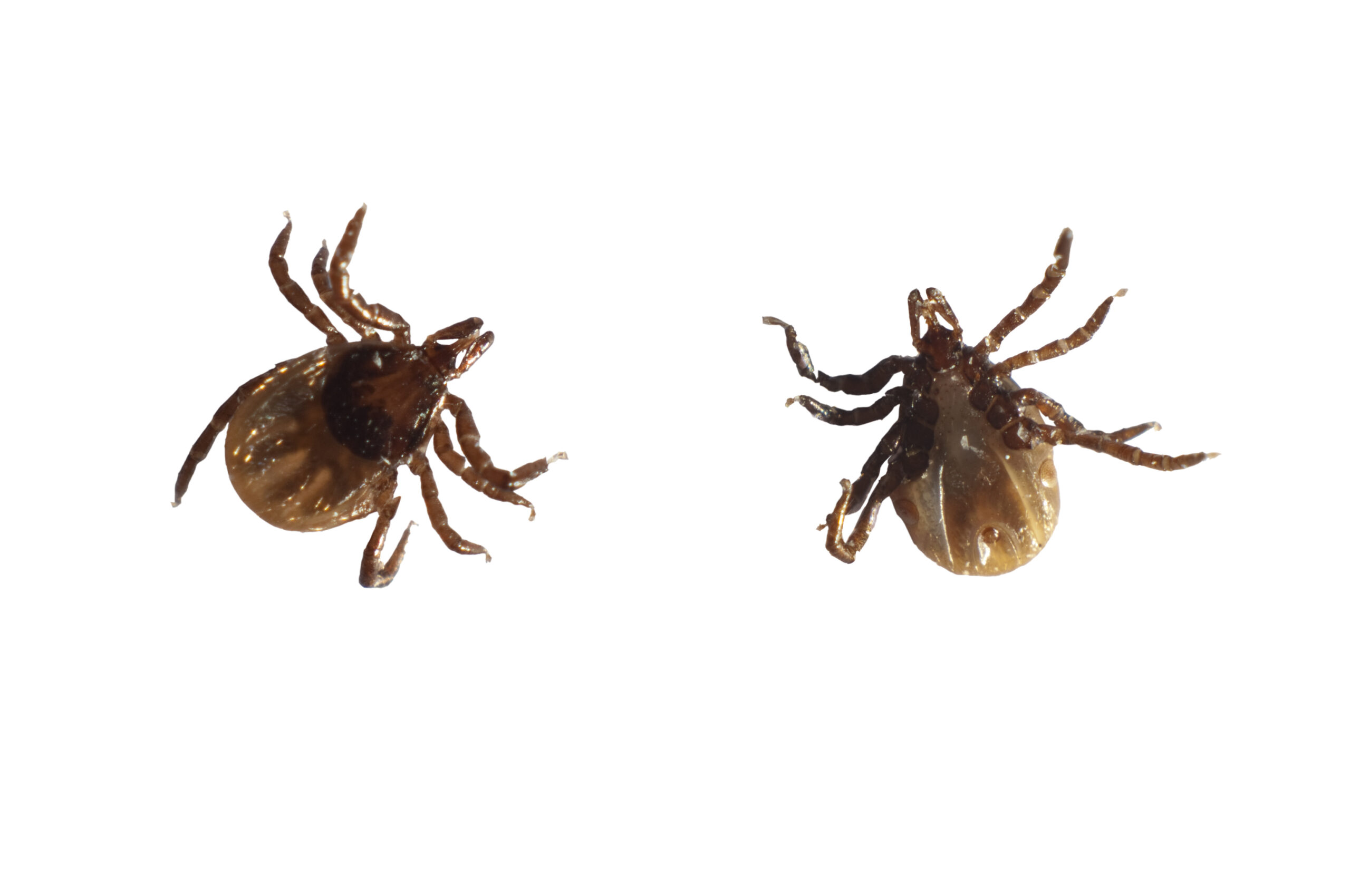
In 1982, Dr. Willy Burgdorfer identified the spirochete responsible for this illness.
The bacterium was later named Borrelia burgdorferi in his honor.
A growing “Pandora’s box” of Borrelia species
Since the discovery of Lyme disease, researchers have identified an expanding number of pathogenic Borrelia species.
In 1992, two additional genospecies — Borrelia garinii and Borrelia afzelii — were identified in Europe and Japan.
Later discoveries included:
- Borrelia mayonii
- Borrelia bissettii
- Borrelia americana
- Borrelia andersonii
- Borrelia miyamotoi
As new species were discovered, some researchers compared the expanding list of pathogens to opening a “Pandora’s box” of spirochetes.
This expanding understanding of tick-borne infections helps explain why Lyme disease can evolve slowly and involve multiple organ systems.
Symptoms may appear gradually, disappear, and return months later. This slow and persistent course has led some clinicians to compare tick-borne illness to the tortoise in Aesop’s fable — moving slowly but steadily over time.
For a deeper discussion of this pattern, see Tick-Borne Illnesses and the Tortoise and the Hare.
Lyme disease is newly recognized — not newly created
Lyme disease may feel like a modern epidemic, but the evidence suggests the bacteria responsible for the illness have existed for thousands — and possibly millions — of years.
Understanding this long history helps explain why Lyme disease continues to challenge physicians today.
The illness can evolve slowly, affect multiple organ systems, and persist over time — characteristics that continue to test the limits of modern medicine.
Dr. Daniel Cameron, MD, MPH
Lyme disease clinician with over 30 years of experience and past president of ILADS.
Symptoms • Testing • Coinfections • Recovery • Pediatric • Prevention