Babesia Awareness: What Connecticut Residents Don’t Know
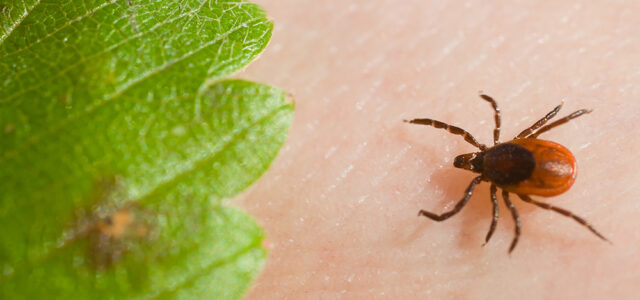
Babesia awareness is dangerously low—even in areas where the disease is common. A Connecticut survey found that only 23% of residents knew deer ticks can transmit Babesia, despite living in one of the most endemic regions in the country. :contentReference[oaicite:0]{index=0}
The results were published in Ticks and Tick-borne Diseases.
Babesia Awareness: The Survey Results
In 2014, 275 individuals living in southwestern Connecticut were surveyed about their knowledge of tick-borne diseases. The results were concerning:
- Only 23% knew deer ticks can transmit Babesia
- Only 12% knew deer ticks can transmit Anaplasmosis
This is Connecticut—a state well aware of Lyme disease—yet most residents remain unaware of these equally important coinfections.
Doctors Aren’t Testing for Babesia Either
The Babesia awareness gap extends to clinicians. In 2008, most doctors ordering Lyme disease tests were not testing for Babesia.
The numbers from six commercial laboratories tell the story:
- Lyme disease tests ordered: 2,432,396
- Babesia tests ordered: 85,323 (less than 4%)
- Anaplasmosis tests ordered: 63,693 (less than 3%)
This is a significant problem because up to 40% of patients with Lyme disease may have concurrent Babesiosis.
Why Babesia Awareness Matters
The risk of Babesia infection is rising. Between 12% and 42% of rodents are co-infected with both Borrelia burgdorferi and Babesia microti.
Babesia can increase both the severity and duration of Lyme disease. Unlike Lyme disease, Babesia is caused by parasites that infect red blood cells and requires different treatment.
Treatment with Mepron and Zithromax has been effective, while quinine and clindamycin are alternatives but may cause more side effects.
Testing Challenges
There are tests for Babesia, but their accuracy can be limited:
- Only one-third of patients tested positive using microscopy
- DNA detection reached 71% but dropped to 4% in co-infected patients
- IgM antibodies were detected in up to 78% of cases
These limitations make Babesia difficult to confirm in routine clinical practice.
Babesia Is Hard to Recognize
Babesia can be difficult to recognize—even for experienced clinicians.
Classic Lyme disease signs such as erythema migrans rash, Bell’s palsy, or knee swelling are typically absent.
Even hallmark symptoms like night sweats may be missing—only 42% of co-infected patients report them.
The Case for Better Education
Improving Babesia awareness among both patients and clinicians is essential.
The CDC designated Babesia a reportable illness in 2011, and guidelines recommend educating patients with tick exposure about coinfections.
Until Babesia awareness improves, this common and potentially serious coinfection will continue to be missed.
Dr. Daniel Cameron, MD, MPH
Lyme disease clinician with over 30 years of experience and past president of ILADS.
Symptoms • Testing • Coinfections • Recovery • Pediatric • Prevention