Why Are Ticks So Hated?
They’re small, stealthy, and surprisingly dangerous. Ticks have long held a place among the most disliked creatures in nature—and not without reason.
While they may appear harmless at first glance, ticks are highly adapted parasites capable of transmitting serious infections to both humans and animals.
This article explores why ticks provoke such strong aversion, combining entomology, infectious disease risk, and public health concerns. :contentReference[oaicite:0]{index=0}
1. Ticks Spread Serious Diseases
Ticks are more than parasites—they are biologic vectors capable of transmitting bacteria, parasites, and viruses during feeding.
Once attached, ticks can transfer pathogens through their saliva while remaining attached for prolonged periods.
Major Tick-Borne Diseases
- Lyme disease (Borrelia burgdorferi): The most common vector-borne disease in the United States. Lyme disease may lead to arthritis, neurologic symptoms, and cardiac complications.
- Babesiosis (Babesia microti): A malaria-like parasitic infection affecting red blood cells. Severe illness may occur in older or immunocompromised individuals.
- Rocky Mountain spotted fever (Rickettsia rickettsii): A potentially life-threatening bacterial infection associated with rash, fever, and multi-organ complications.
- Anaplasmosis and ehrlichiosis: Tick-borne bacterial illnesses that often resemble viral infections early on.
- Powassan virus: A rare but serious viral infection capable of causing encephalitis and long-term neurologic complications.
Learn more about Lyme disease and tick-borne coinfections.
2. Tick Bites Are Designed to Go Undetected
Unlike mosquitoes or biting flies, ticks have evolved sophisticated feeding mechanisms that allow them to remain attached without immediately alerting the host.
- Ticks inject anesthetic compounds that numb the attachment site.
- They also release immunomodulatory substances that suppress inflammation and interfere with immune signaling.
- This stealth feeding behavior increases the risk of prolonged attachment and pathogen transmission.
Many people diagnosed with Lyme disease never recall a tick bite.
3. Their Small Size Makes Them Hard to Detect
Nymph-stage ticks are especially difficult to see.
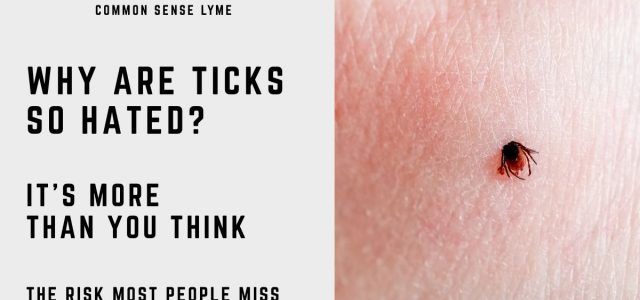
At this stage, many ticks measure only 1–2 millimeters—roughly the size of a poppy seed.
- Nymphs often go unnoticed during outdoor activity.
- Many Lyme disease cases are believed to originate from nymph-stage bites.
- Ticks commonly attach in hidden locations including the scalp, groin, armpits, and behind the knees.
This combination of small size and painless feeding contributes to delayed detection.
4. Tick Populations Are Expanding
Tick populations are expanding geographically due to several environmental and ecological changes.
- Warmer winters improve tick survival rates.
- Growing deer and rodent populations increase available hosts.
- Ticks are now appearing in regions previously considered too cold for sustained survival.
As tick habitats expand, public exposure risk increases as well.
5. Their Feeding Behavior Is Deeply Unsettling
Humans naturally react strongly to blood-feeding parasites, and ticks possess several biologic features that many people find disturbing.
- Ticks anchor themselves using a barbed mouthpart called a hypostome.
- Some ticks remain attached and feeding for up to 10 days.
- Improper removal may leave mouthparts embedded in the skin.
Biologic curiosity: Some ticks can expand up to 200 times their original size after feeding.
Why Tick Awareness Matters
Ticks are highly efficient disease vectors capable of evading detection while transmitting potentially serious infections.
The growing burden of tick-borne disease highlights the importance of prevention, awareness, and early recognition of symptoms.
See the Lyme disease symptoms guide and Lyme disease prevention guide.
Frequently Asked Questions
Why do people hate ticks so much?
Ticks spread serious diseases, feed stealthily for long periods, and are often difficult to detect before transmission occurs.
Can ticks spread more than Lyme disease?
Yes. Ticks may transmit Babesia, Anaplasma, Ehrlichia, Powassan virus, and other infections.
Why are tick bites hard to notice?
Ticks release anesthetic and immune-modulating compounds that reduce pain and inflammation during feeding.
Are ticks becoming more common?
Yes. Tick populations are expanding geographically due to climate and ecological changes.
How can I reduce my risk of tick bites?
Protective clothing, tick checks, repellents, and prompt showering after outdoor activity may reduce exposure risk.
Clinical Takeaway
Ticks provoke strong reactions because they combine stealth feeding, disease transmission, and expanding environmental exposure.
Their biologic adaptations make them highly effective vectors for Lyme disease and other infections.
Awareness, prevention, and early detection remain essential as tick-borne illnesses continue to expand geographically.
Related Articles
Tick-Borne Coinfections
Lyme Disease Symptoms Guide
Prevention of Lyme Disease
Do Ticks Wash Off in the Shower?
Tick Mouthparts Left in Skin
Dr. Daniel Cameron, MD, MPH
Lyme disease clinician with over 30 years of experience and past president of ILADS.
Symptoms • Testing • Coinfections • Recovery • Pediatric • Prevention