Babesia Coinfection Treatment When Lyme Therapy Fails
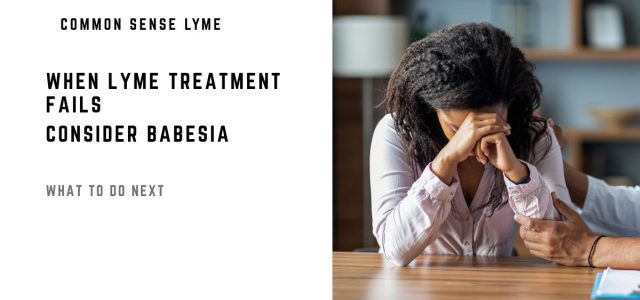
When Lyme disease treatment fails to resolve symptoms, co-infections like Babesia may be the missing piece. Understanding Babesia treatment options can change the recovery path for patients who remain ill despite Lyme therapy.
Why Babesia Treatment Matters
When patients remain ill after Lyme disease treatment, co-infections like Babesia are often overlooked. Babesia is a protozoan parasite, not a bacterium, and requires antiparasitic therapy rather than antibiotics alone.
When Babesia goes unrecognized, patients may continue treatment for Lyme disease without meaningful improvement. Once identified, appropriate Babesia treatment can significantly change the recovery trajectory.
For a broader overview, see Babesia and Lyme: What Patients Need to Know.
First-Line Babesia Coinfection Treatment
Published research by Krause and colleagues found that atovaquone plus azithromycin was effective for babesiosis and better tolerated than quinine plus clindamycin.
The study used Mepron, an atovaquone liquid suspension, paired with azithromycin.
Atovaquone is available in two formulations:
- Mepron – liquid suspension used in the original study
- Malarone – tablet formulation combining atovaquone with proguanil
Malarone was not the formulation used in the original Babesia treatment trials, but it contains atovaquone, the same active antiparasitic agent.
Azithromycin may carry a risk of QT interval prolongation, so cardiac evaluation may be appropriate for some patients before treatment begins.
Important: Atovaquone should be taken with meals containing dietary fat to improve absorption.
Dose Considerations for Sensitive Patients
Not all patients tolerate standard dosing, especially those with severe illness, gastrointestinal sensitivity, or autonomic dysfunction.
In these situations, clinicians may start with lower doses and gradually increase therapy based on tolerance.
Malarone is available in two tablet strengths:
- Adult tablets: 250 mg atovaquone / 100 mg proguanil
- Pediatric tablets: 62.5 mg atovaquone / 25 mg proguanil
The pediatric formulation may provide dose flexibility for adults who cannot tolerate standard dosing.
Babesia Treatment Duration in Complex Cases
Early Babesia studies focused largely on acute infection. Patients with delayed diagnosis or prolonged symptoms may require a more individualized treatment duration.
Short-course protocols were not designed for every patient with persistent symptoms after Lyme treatment.
Treatment duration may depend on:
- Duration of illness
- Severity of symptoms
- Clinical response
- Presence of additional co-infections
- Treatment tolerance
Alternative Babesia Treatment Approaches
Atovaquone plus azithromycin remains the primary evidence-supported regimen. However, alternative combinations may be considered in selected complex cases when standard therapy is not appropriate or effective.
Atovaquone plus doxycycline has not been formally studied in Babesia treatment trials. It may be considered when:
- Anaplasmosis or Ehrlichia co-infection is suspected or confirmed
- Azithromycin has not produced clinical improvement
- The patient cannot tolerate azithromycin because of gastrointestinal intolerance, QT concerns, or allergy
This approach reflects clinical judgment in selected cases rather than established Babesia treatment evidence.
Emerging Options for Refractory Babesia
Tafenoquine is an antimalarial agent that has shown activity against Babesia microti in laboratory and animal studies.
A 2022 case report described successful off-label use in a patient with relapsing babesiosis and evidence of resistance to azithromycin and atovaquone.
Tafenoquine remains investigational for Babesia treatment and should only be used under close medical supervision.
Important safety consideration: Patients require G6PD screening before tafenoquine because of the risk of hemolytic anemia.
What Improvement May Look Like
During Babesia treatment, some patients experience temporary worsening of symptoms before improvement begins.
Signs of improvement may include:
- Air hunger easing
- Night sweats decreasing
- Improved sleep
- Fewer chills or temperature swings
- Improvement in brain fog
- Gradual return of stamina
Clinical Monitoring During Treatment
Medical monitoring during Babesia treatment may include:
- Complete blood count (CBC) to monitor anemia or blood cell changes
- Liver function testing during atovaquone-based therapy
- EKG monitoring in selected patients using azithromycin
Common side effects may include nausea, rash, headache, or gastrointestinal upset. Dose adjustment may allow some patients to continue treatment when side effects become difficult to tolerate.
When Treating Babesia Changes Recovery
Patients with persistent illness after Lyme treatment may improve once Babesia is identified and treated appropriately.
Profound fatigue, air hunger, night sweats, brain fog, chills, and temperature dysregulation can persist when the parasitic infection remains untreated.
For more on how Babesia complicates Lyme recovery, see Babesia Coinfection Makes Lyme Worse.
Clinical Perspective
Babesia coinfection can explain why some patients remain ill despite Lyme disease treatment. Because Babesia is a parasite, treatment requires a different strategy than bacterial Lyme disease alone.
Clinical decisions may require balancing published evidence, symptom severity, co-infection burden, medication tolerance, autonomic instability, and treatment response.
Clinical Takeaway
Babesia coinfection requires antiparasitic treatment distinct from Lyme disease antibiotics, which is why patients may fail to improve when Babesia goes unrecognized.
Atovaquone plus azithromycin remains the primary evidence-supported regimen, while treatment duration and dosing may need individualization in complex cases.
Related Articles
- Babesia and Lyme: What Patients Need to Know
- Babesia Treatment Duration: How Long Is Long Enough?
- Babesia Coinfection Makes Lyme Worse
- Night Sweats and Babesia
- Why Lyme Treatment Fails Without Babesia Testing
References
- Krause PJ, Lepore T, Sikand VK, et al. Atovaquone and azithromycin for the treatment of babesiosis. N Engl J Med. 2000;343(20):1454-1458.
- Marcos LA, Leung A, Kirkman L, Wormser GP. Use of tafenoquine to treat a patient with relapsing babesiosis with clinical and molecular evidence of resistance to azithromycin and atovaquone. IDCases. 2022;28:e01460.
Dr. Daniel Cameron, MD, MPH
Lyme disease clinician with over 30 years of experience and past president of ILADS.
Symptoms • Testing • Coinfections • Recovery • Pediatric • Prevention