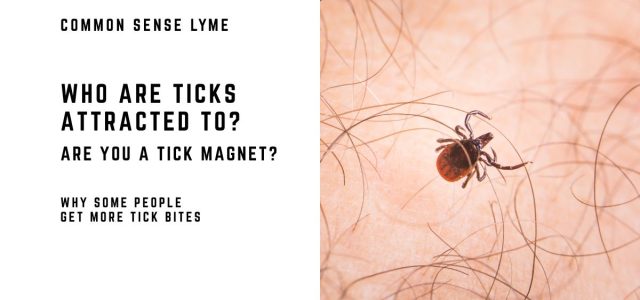
Who Are Ticks Attracted To? What Makes You a Target
Ticks detect body heat, carbon dioxide, sweat, and movement.
Active outdoor people and pet owners face higher exposure risk.
Understanding what attracts ticks is the first step toward prevention.
Quick Answer: Ticks are attracted to carbon dioxide, body heat, sweat, scent, and movement. People who are active outdoors or spend time near pets, brush, and tall grass are easier for ticks to find.
Who are ticks attracted to? People who produce more heat, carbon dioxide, and sweat are easier for ticks to detect.
It’s a warm day, you’ve been hiking, gardening, or walking the dog—and later that evening, you find a tick. Sound familiar?
Ticks are stealthy, patient, and highly sensitive hunters. While they can’t jump or fly, they are remarkably good at detecting hosts from a distance.
Understanding what attracts ticks can help reduce exposure and lower the risk of Lyme disease and other tick-borne infections.
How Ticks Hunt for a Host
Ticks are ambush predators that use a behavior called “questing.” Rather than chasing hosts, they climb onto tall grass, leaves, or brush and wait with their front legs extended.
Ticks detect:
- Body heat
- Carbon dioxide (CO₂)
- Moisture and sweat
- Odors and vibrations
Once a tick reaches the body, it typically migrates toward warm, protected areas such as behind the ears, underarms, waistline, groin, scalp, and behind the knees.
Many patients never notice the tick bite itself, contributing to delayed Lyme disease diagnosis.
What Attracts Ticks to Humans?
Carbon dioxide (CO₂)
Ticks are strongly attracted to carbon dioxide released through breathing.
- More activity → more CO₂ → greater detection
- Groups of people and pets increase attraction signals
This is one reason ticks are more likely to find hikers, runners, gardeners, and people exercising outdoors.
Body heat
Ticks seek warm-blooded hosts and can detect subtle temperature differences.
- Heat helps ticks locate nearby hosts
- Warm, moist areas of the body are preferred attachment sites
Sweat and body odor
Sweat increases attraction by releasing chemical signals including lactic acid and ammonia.
- Higher activity levels increase sweat production
- Outdoor exercise may increase exposure risk
Researchers continue studying how ticks respond to human scent and skin chemistry.
Clothing and scent
Dark clothing may retain more heat and make ticks harder to spot.
- Light-colored clothing improves tick visibility
- Permethrin-treated clothing may help reduce attachment
Learn more about permethrin-treated clothing for tick prevention.
Animals and pets
Ticks commonly feed on animals before encountering humans.
- Deer, rodents, rabbits, and birds support tick populations
- Dogs and cats may carry ticks indoors
Ticks may detach from pets and later attach to humans, which may contribute to faster disease transmission in some situations. Learn more in after a tick bite, how long for disease transmission?
How to Make Yourself Less Attractive to Ticks
Understanding what attracts ticks is the first step. Reducing exposure is the next.
Use repellent
- DEET
- Picaridin
- Oil of lemon eucalyptus (OLE)
Natural repellents may also help reduce exposure in some environments. See what repels ticks naturally.
Dress defensively
- Wear light-colored clothing
- Use long sleeves and pants
- Tuck pants into socks in high-risk areas
Avoid tick habitat
- Tall grass
- Leaf litter
- Dense brush and wooded edges
Check for ticks after outdoor activity
- Check scalp, ears, groin, waistband, and behind knees
- Shower after outdoor exposure
- Inspect pets carefully
Learn more in do ticks wash off in the shower?
Frequently Asked Questions
Are some people more attractive to ticks than others?
Yes. People who produce more carbon dioxide, body heat, and sweat — such as those who are physically active outdoors — are easier for ticks to detect and may experience more tick encounters.
Does blood type affect tick attraction?
Some research has explored whether ticks prefer certain blood types, but evidence remains inconclusive. Body heat, CO₂, and sweat are the better-established attraction factors.
Do pets increase your risk of tick bites?
Yes. Dogs and cats can carry ticks indoors. Ticks may detach from pets and later attach to household members — sometimes after already beginning to feed, which can affect transmission timing.
Clinical Takeaway
Ticks are attracted to heat, carbon dioxide, sweat, scent, and movement. Outdoor activity, pets, body chemistry, and environmental exposure all influence risk. Prevention through repellents, protective clothing, environmental awareness, and early tick checks remains the most effective strategy for reducing tick bites and lowering the risk of Lyme disease.
Related Articles
- Lyme Disease Prevention Strategies
- What Repels Ticks Naturally?
- How to Tick-Proof Your Yard
- After a Tick Bite: How Long for Disease Transmission?
Dr. Daniel Cameron, MD, MPH
Lyme disease clinician with over 30 years of experience and past president of ILADS.
Symptoms • Testing • Coinfections • Recovery • Pediatric • Prevention