When Does Lyme Disease Become Chronic?
Chronic Lyme disease is generally considered present when symptoms persist well beyond the expected recovery period and continue interfering with daily function.
It’s one of the most debated questions I hear in clinic: When does Lyme become chronic?
Is it after a few months? A year? Or when antibiotics “fail”?
The answer is more complex than a calendar.
The infection and immune response may linger beyond the expected recovery window, reshaping the patient’s health in ways that extend far beyond the original tick bite.
The Turning Point: How Lyme Becomes Chronic After Missed or Delayed Treatment
Early Lyme disease, when recognized and treated promptly, often resolves.
But for many patients, that early window is missed.
Some complete a full course of antibiotics yet remain fatigued, foggy, and in pain. Others go months—or even years—without a diagnosis.
By then, Borrelia burgdorferi may have adapted by changing form, hiding in tissues, and evading immune defenses.
This is often the point when Lyme disease shifts from an acute infection into a chronic illness.
Once that transition occurs, symptoms may persist not only because of bacterial survival but also because the immune and nervous systems remain dysregulated.
Learn more about persistent Lyme disease mechanisms.
Chronic Lyme Disease and the Debate Over Persistent Infection
The phrase “chronic Lyme disease” remains controversial.
Some experts argue that ongoing symptoms after treatment are caused primarily by immune dysregulation.
Others point to mounting evidence—including cultures, animal models, and imaging studies—suggesting that Borrelia may persist in hidden tissue niches despite antibiotic therapy.
In clinical practice, the debate matters less than the patient’s reality: persistent symptoms that continue long after treatment ends.
Patients struggling with fatigue, cognitive dysfunction, pain, or neurologic symptoms are not rare exceptions—they reflect the complexity of Lyme disease biology.
See also post-treatment Lyme disease syndrome (PTLDS).
Clinical Signs That Lyme Has Become Chronic
From a clinical standpoint, Lyme disease may be considered chronic when:
- Symptoms persist for six months or longer
- Functional ability is impaired
- No alternative diagnosis fully explains the illness
Common symptoms include:
- Fatigue
- Brain fog
- Joint pain
- Nerve pain
- Unrefreshing sleep
- Exercise intolerance
See brain fog in Lyme disease.
These symptoms reflect ongoing biologic dysfunction—not simply delayed recovery.
See our Lyme disease symptoms guide.
Why Delayed Diagnosis Matters
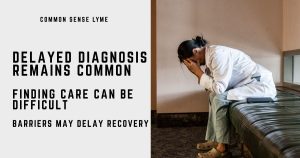
Delayed recognition remains one of the strongest drivers of chronic Lyme disease.
Patients are often misdiagnosed with stress, anxiety, fibromyalgia, chronic fatigue syndrome, autoimmune disease, or psychiatric illness before Lyme disease is considered.
Diagnostic delay may allow infection, inflammation, immune dysregulation, and neurologic dysfunction to become more entrenched.
See Lyme disease misdiagnosis.
Can Chronic Lyme Disease Be Prevented?
In many cases, yes.
Early recognition and prompt treatment reduce the risk of persistent illness.
Key factors include:
- Recognizing symptoms early—even without a rash
- Not relying solely on early testing
- Reevaluating patients whose symptoms persist
- Identifying co-infections when appropriate
Prompt treatment may reduce the likelihood of prolonged neurologic and systemic complications.
What Happens Once Lyme Becomes Chronic?
When Lyme disease becomes chronic, treatment often becomes more individualized and complex.
Management may include:
- Evaluating co-infections
- Addressing neuroinflammation
- Supporting autonomic and neurologic recovery
- Managing sleep disruption and fatigue
- Reducing symptom flares and functional decline
Recovery is still possible—but often requires a broader and more personalized approach.
See autonomic dysfunction in Lyme disease.
Bridging Science and Care in Chronic Lyme Disease
Whether we call it chronic Lyme disease or PTLDS, these patients need care—not controversy.
Bridging science and care means acknowledging the biologic realities while also addressing the human consequences of persistent illness.
The goal is not simply to label chronicity—but to prevent it whenever possible by recognizing early treatment failure and persistent symptoms before they become entrenched.
For too long, patients caught between medical uncertainty and chronic illness have felt dismissed or invisible.
Integrating research with compassionate, evidence-informed care offers validation and a more realistic path forward.
The more important question is not simply when Lyme becomes chronic—but how early clinicians can recognize the transition before long-term dysfunction develops.
Frequently Asked Questions
When does Lyme disease officially become chronic?
Lyme disease is often considered chronic when symptoms persist for six months or longer after treatment, although the definition is based more on persistence and functional impairment than a strict timeline.
What causes Lyme disease to become chronic?
Delayed diagnosis, incomplete treatment, co-infections, immune dysregulation, and persistent infection mechanisms may all contribute.
Is chronic Lyme disease the same as PTLDS?
The terms differ somewhat, but both describe persistent symptoms that continue after standard Lyme disease treatment.
Can chronic Lyme disease be prevented?
Early recognition, prompt treatment, and careful follow-up may reduce the risk of chronic illness.
What should patients do if symptoms persist?
Patients with persistent symptoms should seek evaluation from clinicians experienced in tick-borne illness and chronic symptom management.
Clinical Takeaway
Lyme disease becomes chronic not at a precise time point—but when symptoms persist, recovery stalls, and patients fail to return to baseline health.
Recognizing this transition early may improve outcomes by prompting reevaluation, individualized treatment, and broader assessment of neurologic, inflammatory, and co-infection-related factors.
The goal is not only to define chronic Lyme disease—but to prevent persistent illness whenever possible.
Related Articles
Tick-Borne Co-Infections
Patients Should Be Warned of Lyme Disease Complications
Finding a Doctor Who Treats Chronic Lyme
Neurologic Lyme Disease
Recovery From Lyme Disease
References
- Logigian EL, Kaplan RF, Steere AC. Chronic Neurologic Manifestations of Lyme Disease. N Engl J Med. 1990;323(21):1438-1444.
- Johnson L, Wilcox S, Mankoff J, Stricker RB. Chronic Lyme Disease: An Evidence-Based Definition by the ILADS Working Group. Antibiotics (Basel). 2020;9(1):41.
Dr. Daniel Cameron, MD, MPH
Lyme disease clinician with over 30 years of experience and past president of ILADS.
Symptoms • Testing • Coinfections • Recovery • Pediatric • Prevention