Contact us at 914-666-4665

Dr. Daniel Cameron

Board-certified physician with 38+ years specializing in Lyme disease and tick-borne illnesses. Past President of ILADS (International Lyme and Associated Diseases Society) and first author of ILADS treatment guidelines. Dr. Cameron operates a solo practice focused on patient advocacy and evidence-based Lyme disease treatment. He is the author of 1,100+ articles spanning diagnosis, treatment, co-infections, and recovery from tick-borne illnesses. His work challenges conventional approaches that often leave patients undiagnosed or undertreated, emphasizing clinical judgment over rigid adherence to testing criteria that frequently produce false negatives.

Dr. Daniel Cameron
Lyme Autonomic Dysfunction: How Lyme Disease Disrupts the Autonomic Nervous System

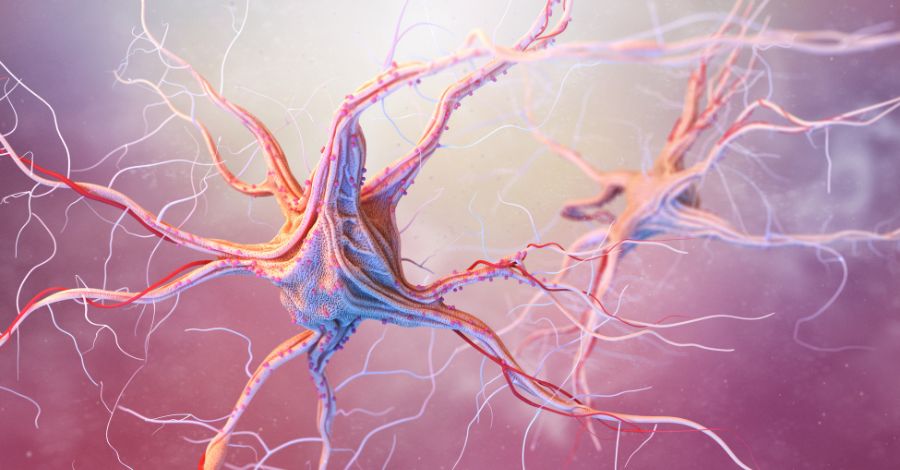
How Lyme Disease Disrupts Autonomic Regulation

How Lyme Disease Disrupts Autonomic Regulation Many patients with Lyme disease report symptoms that feel disconnected and unpredictable—heart racing, dizziness, digestive slowing, anxiety-like sensations, and sudden crashes after stress or exertion. While these experiences are often grouped together under the term dysautonomia, the underlying physiology is frequently misunderstood. This article focuses on how Lyme disease […]

How Lyme Disease Disrupts Autonomic Regulation Read More »
Animals That Eat Ticks: Nature’s Role in Tick Control

Animals That Eat Ticks: Nature’s Role in Tick Control Ticks may seem unstoppable as their range expands and encounters become more common. But nature does have built-in defenses. Long before chemical sprays or treated clothing existed, ecosystems relied on animals that eat ticks as part of natural tick control, helping limit tick populations at different

Animals That Eat Ticks: Nature’s Role in Tick Control Read More »

Lyme disease psychiatric symptoms

Lyme Disease Psychiatric Symptoms: A Misdiagnosis Story

Lyme Disease Psychiatric Symptoms: A Misdiagnosis Story Lyme disease psychiatric symptoms are frequently mistaken for primary mental illness. This case illustrates how one patient’s anxiety, rage, OCD, and depression were traced back to an undiagnosed tick-borne infection—and how treatment changed everything. She came to me after eight months of worsening symptoms, including severe anxiety, episodes

Lyme Disease Psychiatric Symptoms: A Misdiagnosis Story Read More »

Where ticks live

Where Ticks Don’t Thrive

Where Ticks Don’t Thrive Ticks are resilient parasites that feed on the blood of animals and humans. Understanding where ticks live—and where they struggle to survive—can help reduce your risk of exposure. While ticks are well known for surviving in many environments, they are not invincible. Ticks have specific environmental needs, and knowing which settings

Where Ticks Don’t Thrive Read More »

Managing Lyme in children: 12 interventions I use

Managing Lyme Disease in Children: 12 Interventions I Use

Managing Lyme Disease in Children: 12 Interventions I Use A mother brought her 10-year-old son to my office after eighteen months of declining health. He’d gone from an active, curious kid to one who couldn’t finish a school day. He struggled with headaches, fatigue, and what his teachers called “attention problems.” Three specialists had found

Managing Lyme Disease in Children: 12 Interventions I Use Read More »

Why One-Size-Fits-All Lyme Treatment Fails

Why One-Size-Fits-All Lyme Treatment Fails

Why One-Size-Fits-All Lyme Treatment Fails One-size-fits-all Lyme treatment fails too many patients. While standard 2–4 week antibiotic courses work for some, others remain ill—struggling with fatigue, brain fog, joint pain, and autonomic dysfunction long after treatment ends. The assumption that every patient responds identically to the same protocol ignores biology, dismisses patient experience, and contradicts

Why One-Size-Fits-All Lyme Treatment Fails Read More »

teenager-lyme-disease

Pediatric Lyme Disease: A Parent’s Guide | Dr. Daniel Cameron

Pediatric Lyme Disease: A Parent’s Guide | Dr. Daniel Cameron A parent’s guide to recognizing and treating pediatric Lyme disease in children Pediatric Lyme disease often presents differently than Lyme disease in adults. Children may struggle to describe symptoms clearly. Behavioral or cognitive changes may precede obvious physical complaints. Subtle decline may be attributed to

Pediatric Lyme Disease: A Parent’s Guide | Dr. Daniel Cameron Read More »

Lyme Disease Symptoms:

Lyme Disease Symptoms: Early, Late, and Persistent Patterns

Lyme Disease Symptoms: Early, Late, and Persistent Patterns Lyme disease symptoms rarely appear organized at first. They may seem scattered—joint pain in one area, brain fog the next, dizziness one day, heart palpitations another. When underlying mechanisms are understood—autonomic dysfunction, neuroinflammation, immune dysregulation—the pattern becomes clearer. Lyme disease symptoms often involve more than one body

Lyme Disease Symptoms: Early, Late, and Persistent Patterns Read More »