
Contact us at 914-666-4665

Dr. Daniel Cameron

Dr. Daniel Cameron is a board-certified physician and epidemiologist specializing in Lyme disease and tick-borne illnesses. He is a past president of ILADS and has contributed to Lyme disease treatment guidelines, with a clinical focus on diagnosis, testing limitations, and complex cases.

Dr. Daniel Cameron

When Children Are Told They Don’t Have Lyme Disease: Medically Unexplained Symptoms

When Children Are Told They Don’t Have Lyme Disease: Medically Unexplained Symptoms When children are told they don’t have Lyme disease, their symptoms are often labeled as medically unexplained. This can leave families without clear answers while symptoms persist. From the Archives (2019) This article reflects clinical observations from a period when families of children […]

When Children Are Told They Don’t Have Lyme Disease: Medically Unexplained Symptoms Read More »

Lyme disease consultations common in France

Lyme Disease Consultations Common in France Lyme disease consultations are common in France, but not all patients are ultimately diagnosed with Lyme borreliosis. According to Haddad and colleagues, more than 1,000 individuals consulted one of three French centers for presumed Lyme borreliosis. However, only about 10% received a final diagnosis of Lyme disease. “The most

Lyme disease consultations common in France Read More »

babesia early lyme

Babesia Early Lyme: When Co-infection Appears During Treatment

Babesia Early Lyme: When Co-infection Appears During Treatment Babesia early Lyme co-infection is more common than many clinicians realize. In a study of 52 patients with early Lyme disease, 4 (7.7%) had convincing evidence of Babesia microti co-infection, writes Wormser. These patients, along with 2 additional suspected cases, highlight why Babesia should be considered during

Babesia Early Lyme: When Co-infection Appears During Treatment Read More »

lab, medical, blood vials

9 cases of children in France with Lyme neuroborreliosis

Lyme Neuroborreliosis in Children: 9 Cases and Key Symptoms Lyme neuroborreliosis in children remains uncommon but clinically important. “The exact prevalence of Lyme neuroborreliosis in France is unknown because reporting is not required,” Guet-Revillet explains. “Nevertheless, the condition appears to be rare.” Some children present with neurologic symptoms that resemble viral infections, delaying diagnosis. The

9 cases of children in France with Lyme neuroborreliosis Read More »

boy, child, sitting, alone

Lyme pseudothrombophlebitis in a young child

Lyme Pseudothrombophlebitis in a Young Child: A Missed Diagnosis Lyme pseudothrombophlebitis in a young child can mimic more common conditions such as muscle injury or deep vein thrombosis (DVT), leading to delayed diagnosis. The pain had been ongoing for one week. “He described the pain as throbbing, worse with movement, and improved with rest,” writes

Lyme pseudothrombophlebitis in a young child Read More »

Borrelia burgdorferi, spirochete, lyme disease

Lyme Disease Reinfection: Why It Happens

Lyme Disease Reinfection: Why It Happens Can you get Lyme disease more than once? Yes—and it’s more common than many expect. Prior infection may not protect you. Lyme disease reinfection is well recognized in both animals and humans living in endemic areas. Veterinarians have long observed that dogs frequently develop repeated Lyme disease infections. According

Lyme Disease Reinfection: Why It Happens Read More »

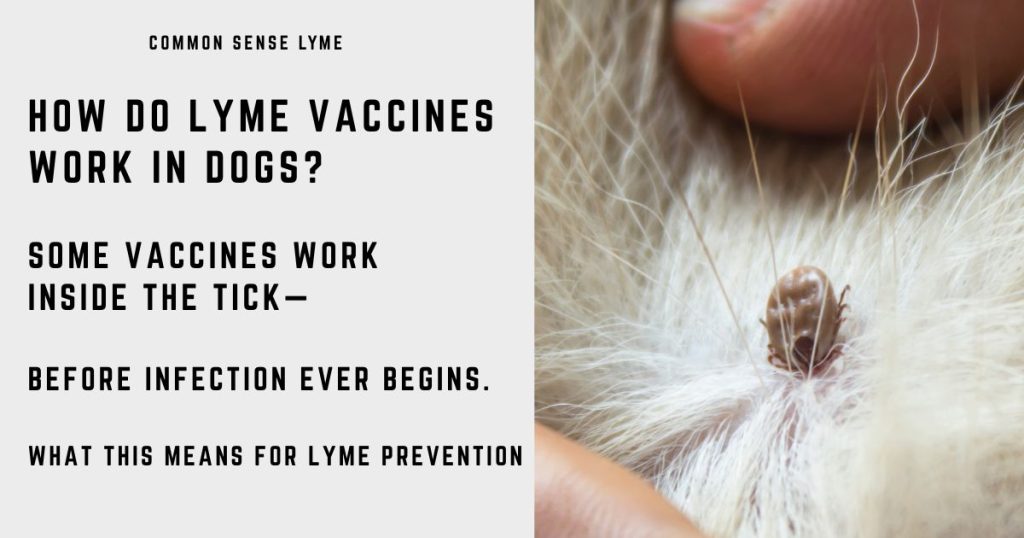
HOW DO LYME VACCINES WORK IN DOGS

How do Lyme disease vaccines work in dogs?

How Lyme Disease Vaccines Work in Dogs: Blocking Infection Before It Starts Some Lyme disease vaccines work inside the tick—before the bacteria ever enter the dog. Lyme disease vaccines in dogs are designed to block transmission of Borrelia burgdorferi before infection can take hold. Lyme disease is the most common tick-borne disease affecting both humans

How do Lyme disease vaccines work in dogs? Read More »

Can Cats Bring Ticks Into Your Home? Lyme Disease Risk

Can Cats Bring Ticks Into Your Home? Lyme Disease Risk CAN YOUR CAT BRING TICKS INTO YOUR HOME? MOST PET OWNERS DON’T REALIZE THE RISK Your cat looks healthy. No obvious signs of illness. But what if it’s carrying ticks—into your home? Quick Answer: Cats can bring ticks infected with Lyme disease and other pathogens

Can Cats Bring Ticks Into Your Home? Lyme Disease Risk Read More »

Borrelia Miyamotoi Treatment

Borrelia Miyamotoi Treatment: Which Antibiotics Actually Work?

Borrelia Miyamotoi Treatment: Which Antibiotics Actually Work? WRONG ANTIBIOTIC— TREATMENT MAY FAIL? B. MIYAMOTOI IS DIFFERENT Borrelia miyamotoi treatment differs from Lyme disease—and using the wrong antibiotic may lead to treatment failure. What is the best Borrelia miyamotoi treatment? In the United States, as many as 15.4% of blacklegged ticks are infected with B. miyamotoi,

Borrelia Miyamotoi Treatment: Which Antibiotics Actually Work? Read More »

Why Some Lyme Patients Are Not Treated—Even With Ongoing Symptoms

Why Some Lyme Patients Are Not Treated—Even With Ongoing Symptoms Some patients are told it’s not Lyme Even when symptoms persist That decision affects treatment Quick Answer: Some patients with Lyme borreliosis are not treated because they do not meet strict diagnostic criteria. However, symptoms may persist despite negative or inconclusive findings. Some patients with

Why Some Lyme Patients Are Not Treated—Even With Ongoing Symptoms Read More »