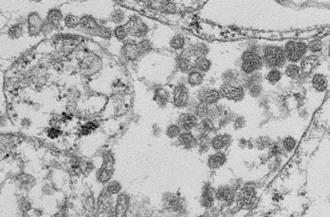
Bourbon Virus Treatment: Potential Therapy Discovered
Bourbon virus treatment has long been unavailable, as this rare tick-borne illness has no approved therapies. However, new research suggests that an existing antiviral drug may offer a potential path forward.
In 2017, a 58-year-old woman from Missouri presented with generalized weakness, myalgia, nausea, and a rash after tick exposure. She was diagnosed with Bourbon virus and died after 23 days in the hospital, highlighting the severity of this infection.
What Is Bourbon Virus?
Bourbon virus is a recently identified tick-borne illness, and much remains unknown about its full clinical spectrum.
Symptoms typically include fever, fatigue, rash, headache, body aches, nausea, and vomiting. Severe cases may lead to hospitalization and death.
Currently, there are no widely available diagnostic tests, no approved treatments, and no vaccines.
Potential Bourbon Virus Treatment Identified
Researchers at Washington University School of Medicine evaluated the antiviral drug favipiravir in a mouse model.
The drug, used in some countries to treat influenza, was administered daily for 8 days beginning immediately after infection.
“Without the flu drug, 100% of the infected mice died, and with the treatment, 100% survived,” the authors reported.
These findings suggest that favipiravir may be a candidate for Bourbon virus treatment in humans, although further studies are needed.
Treatment Effective Even After Symptoms Begin
The researchers also evaluated treatment after symptoms had already started.
When therapy was initiated three days after infection—when mice were already losing weight and showing systemic viral spread—the results remained striking.
Within one day of treatment, the mice stopped losing weight and began to recover. All treated animals survived, while untreated animals did not.
This suggests that antiviral therapy may still be effective even after the onset of symptoms.
Next Steps for Bourbon Virus Treatment
Favipiravir is approved in Japan for influenza but is not currently approved in the United States.
Researchers note that this drug—and potentially other RNA polymerase inhibitors—could represent a starting point for developing treatment strategies for Bourbon virus.
While human data are not yet available, these findings provide an important step toward identifying a viable therapy.
Clinical Perspective
Tick-borne illnesses continue to expand in geographic range and clinical complexity. While Lyme disease remains the most recognized, emerging infections like Bourbon virus highlight the need for broader awareness of tick-borne co-infections.
Early recognition and continued research into antiviral therapies will be critical as clinicians encounter these less common but potentially severe infections.
Frequently Asked Questions
What is Bourbon virus?
Bourbon virus is a rare, potentially fatal tick-borne illness causing fever, fatigue, rash, and systemic symptoms.
Is there a treatment for Bourbon virus?
There is no approved treatment, but the antiviral drug favipiravir has shown effectiveness in animal studies.
How is Bourbon virus diagnosed?
There are currently no widely available commercial tests. Diagnosis is based on clinical suspicion and exposure history.
Where is Bourbon virus found?
Cases have been reported in the Midwest and southern United States and are associated with tick exposure.
Related Articles:
Heartland Virus: Fatal Case in Mid-Atlantic Region
Heartland Virus Case Series
Powassan Virus Overview
Chikungunya and Lyme Disease Overlap
Tick-Borne Co-Infections Hub
References:
- Bricker TL, et al. Therapeutic efficacy of Favipiravir against Bourbon virus in mice. PLOS Pathogens. 2019.
Dr. Daniel Cameron, MD, MPH
Lyme disease clinician with over 30 years of experience and past president of ILADS.
Symptoms • Testing • Coinfections • Recovery • Pediatric • Prevention