Can Lyme Disease Be Fatal? Case Reports of Fatal Tick-Borne Infections
Fatal tick-borne disease cases are uncommon but important reminders of the dangers of missed or delayed diagnosis. Lyme disease and related infections such as Babesia and emerging viruses can lead to severe complications when early symptoms are overlooked.
Although uncommon, deaths from Lyme disease and related tick-borne infections have been reported in the medical literature, usually after delayed recognition or treatment.
Patients may initially experience common Lyme disease symptoms such as fatigue, fever, headaches, and body aches before complications develop.
Most tick-borne illnesses begin with nonspecific symptoms such as fatigue, fever, headaches, or body aches. Because these symptoms resemble influenza or other common illnesses, diagnosis may be delayed.
When untreated, infections such as Lyme disease may progress to complications affecting the heart, brain, or other organs. In rare cases, these complications can be fatal.
Other tick-borne infections can also cause life-threatening illness. Severe cases of Babesia, viral infections such as Powassan virus, and emerging pathogens like Heartland virus have all been associated with fatal outcomes in the medical literature.
Fatal Lyme Carditis Cases
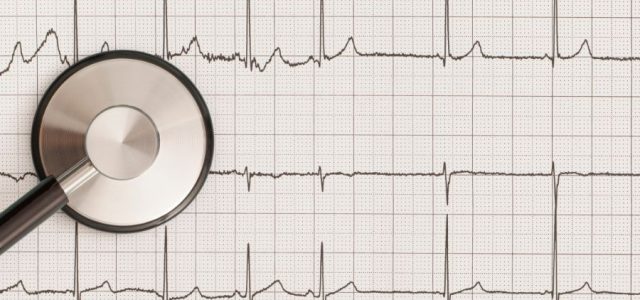
Lyme carditis occurs when Borrelia burgdorferi infects cardiac tissue and disrupts the heart’s electrical system. Although uncommon, it can cause life-threatening rhythm disturbances and sudden cardiac death.
Fatal Babesia Infection
Babesia is a parasite that infects red blood cells. Severe infections can lead to hemolytic anemia, organ failure, and death—particularly when diagnosis is delayed or parasitemia levels are high.
- Fatal Babesiosis: When the Infection Turns Deadly
- Fatal Babesia Case: How Delayed Diagnosis Turned Deadly
Fatal Neurologic Lyme Disease
Lyme neuroborreliosis occurs when Lyme disease affects the brain or nervous system. Patients may develop meningitis, encephalopathy, or stroke-like symptoms.
Fatal Tick-Borne Viral Infections
New tick-borne infections continue to emerge in North America. Some viruses transmitted by ticks can cause severe neurologic disease and death.
For example, Powassan virus can cause encephalitis and long-term neurologic complications, and fatal cases have been reported in the medical literature. Heartland virus infections have also been associated with severe illness and death.
- Fatal Heartland Virus Case in the Mid-Atlantic
- Powassan Virus: A Rare but Serious Tick-Borne Infection
Why Tick-Borne Diseases Are Sometimes Missed
Tick-borne infections are frequently overlooked early in illness because symptoms resemble common viral infections. In addition, diagnostic tests may be negative in the first weeks of infection.
For this reason, clinicians are encouraged to consider Lyme disease symptoms and exposure history when evaluating patients in endemic regions.
Prompt recognition and treatment of tick-borne diseases can prevent complications affecting the heart, brain, and other organs.
Clinical Perspective
Fatal outcomes from Lyme disease and other tick-borne infections are uncommon but well documented in the medical literature. In most reported cases, death occurred after the infection went unrecognized or untreated during the early stages of illness.
Complications may involve multiple organ systems. For example:
- Cardiac complications: Lyme carditis can disrupt the heart’s electrical conduction system and lead to dangerous rhythm disturbances.
- Neurologic complications: Lyme neuroborreliosis can cause meningitis, encephalopathy, or stroke-like symptoms.
- Parasitic coinfections: Babesia infections can destroy red blood cells and lead to severe anemia and organ failure.
- Emerging viral infections: tick-borne viruses such as Powassan virus and Heartland virus can cause severe neurologic or systemic illness.
These cases highlight an important clinical principle: when patients present with unexplained symptoms and possible tick exposure in endemic regions, clinicians should consider tick-borne diseases even when laboratory testing is negative or inconclusive.
Early recognition and treatment remain the most effective way to prevent severe complications.
Related Guides
Dr. Daniel Cameron, MD, MPH
Lyme disease clinician with over 30 years of experience and past president of ILADS.
Symptoms • Testing • Coinfections • Recovery • Pediatric • Prevention