Contact us at 914-666-4665

Filter posts by category

Lyme Science Blog

Sudden Behavioral Changes

Sudden Behavioral Changes in Children With Lyme Disease

Sudden Behavioral Changes in Children With Lyme Disease Behavior changes can appear suddenly Symptoms may seem psychiatric or neurologic Lyme disease may affect mood, behavior, and emotional regulation Lyme disease child behavior changes may include irritability, aggression, anxiety, emotional outbursts, personality changes, and oppositional behavior. These changes may appear abruptly in children who previously functioned […]

Sudden Behavioral Changes in Children With Lyme Disease Read More »
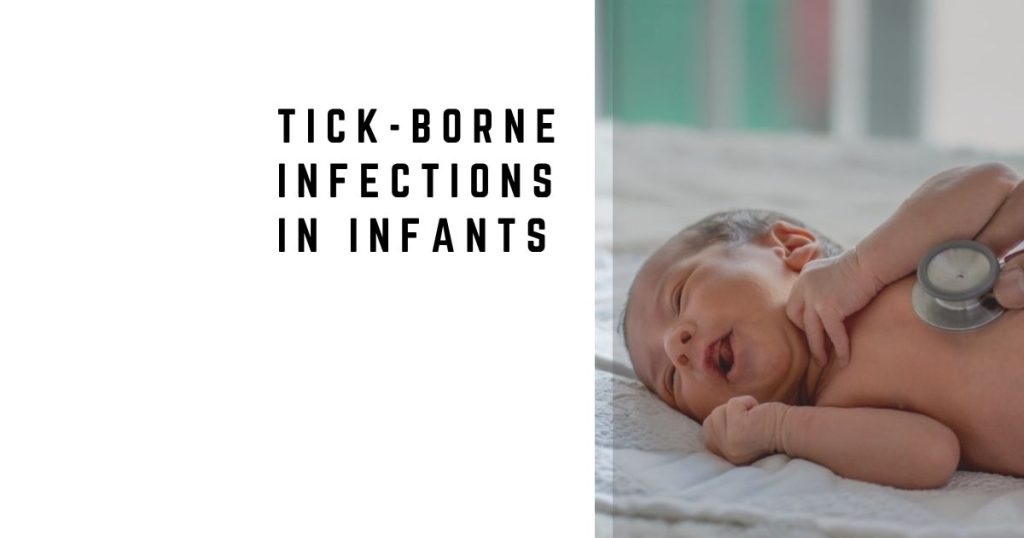
Tick-Borne Infections in Infants: Lyme Disease and Babesia

Lyme Disease in Infants: Babesia and Early Tick-Borne Infection

Lyme Disease in Infants and Babies: Babesia and Tick-Borne Infections Lyme disease in infants can be difficult to recognize Symptoms are often subtle or nonspecific Early diagnosis may be challenging Lyme disease in infants and babies is rarely discussed in the medical literature, in part because diagnosis can be difficult. Infants cannot describe symptoms such

Lyme Disease in Infants: Babesia and Early Tick-Borne Infection Read More »

Facial Nerve Palsy in Children With Lyme Disease

Facial Palsy in Children: When It’s Lyme Disease—Not Bell’s Palsy

Can Lyme Disease Cause Bell’s Palsy or Facial Palsy? A sudden facial droop may be called Bell’s palsy In Lyme regions, facial palsy may point to Lyme disease Early recognition can change evaluation and treatment Lyme disease Bell’s palsy is an important consideration when a child or adult suddenly develops facial weakness, facial droop, or

Facial Palsy in Children: When It’s Lyme Disease—Not Bell’s Palsy Read More »

PANS-, PANDAS-, and OCD-like Presentations

PANS, PANDAS, and OCD-Like Symptoms in Children With Lyme Disease

PANS, Lyme Disease, and OCD Symptoms in Children Sudden OCD symptoms may resemble PANS Some children with Lyme disease develop neuropsychiatric symptoms Careful evaluation may identify infectious triggers Some children with Lyme disease develop sudden behavioral or psychiatric symptoms that resemble pediatric acute-onset neuropsychiatric syndrome (PANS) or pediatric autoimmune neuropsychiatric disorders associated with streptococcal infections

PANS, PANDAS, and OCD-Like Symptoms in Children With Lyme Disease Read More »
Can Lyme Disease Cause Gastrointestinal Symptoms in Children?

Can Lyme Disease Cause Gastrointestinal Symptoms in Children?

Can Lyme Disease Cause Stomach Pain and GI Symptoms in Children? Children with Lyme disease may develop stomach pain or digestive symptoms GI symptoms may reflect autonomic dysfunction or neurologic involvement Abdominal pain alone rarely means Lyme disease Lyme disease can cause gastrointestinal symptoms in children, particularly when the infection affects the nervous system or

Can Lyme Disease Cause Gastrointestinal Symptoms in Children? Read More »

When Lyme Arthritis in Children Is Mistaken for Juvenile Idiopathic Arthritis

When Lyme Arthritis in Children Is Mistaken for Juvenile Idiopathic Arthritis

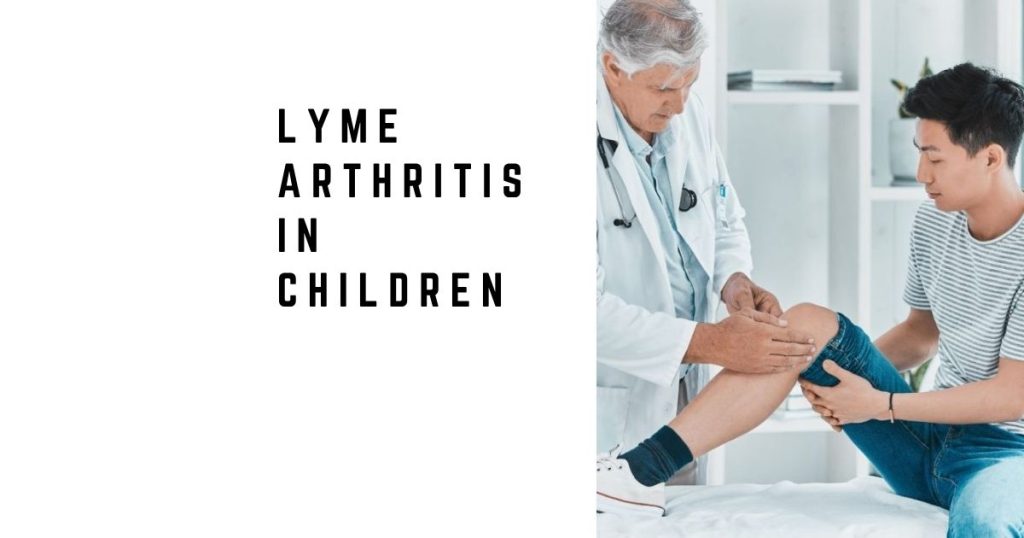
When Lyme Arthritis in Children Is Mistaken for Juvenile Idiopathic Arthritis Lyme arthritis in children can resemble juvenile idiopathic arthritis because both conditions may cause knee swelling, limping, stiffness, and reduced activity. Recognizing this overlap is important. Lyme arthritis in children is a treatable infectious condition that often presents as a swollen knee with surprisingly

When Lyme Arthritis in Children Is Mistaken for Juvenile Idiopathic Arthritis Read More »

Lyme Arthritis Symptoms in Children

Lyme Arthritis Symptoms in Children: Knee Swelling and Limping

Lyme Arthritis Symptoms in Children: Knee Swelling and Limping Knee swelling may be the first sign Pain may be minimal or absent Symptoms often appear weeks later Lyme arthritis symptoms in children most often present as swelling of a single large joint—especially the knee. This late manifestation may appear weeks to months after infection and

Lyme Arthritis Symptoms in Children: Knee Swelling and Limping Read More »

Herxheimer Reaction in Lyme Disease: What Happens After Treatment Starts

Herxheimer Reaction in Lyme Disease: What Happens After Treatment Starts < A Herxheimer reaction may occur after Lyme disease treatment begins Symptoms can temporarily worsen due to inflammation Careful monitoring may be important during early treatment A Herxheimer reaction, also known as the Jarisch-Herxheimer reaction (JHR), is a temporary inflammatory response that may occur after

Herxheimer Reaction in Lyme Disease: What Happens After Treatment Starts Read More »