
Contact us at 914-666-4665

Filter posts by category

Lyme Science Blog

borrelia miyamotoi and lyme disease

Borrelia Miyamotoi Coinfection in Lyme Disease: Could It Explain Persistent Symptoms?

Could Borrelia Miyamotoi Explain Persistent Lyme Symptoms? PERSISTENT FATIGUE? PAIN AND BRAIN FOG? LOOK BEYOND LYME Could Borrelia miyamotoi and Lyme disease coinfection help explain persistent symptoms in some patients? Borrelia miyamotoi (BM) is a tick-borne infection transmitted by the same Ixodes ticks that spread Lyme disease. Unlike Lyme disease, erythema migrans rash and joint […]

Borrelia Miyamotoi Coinfection in Lyme Disease: Could It Explain Persistent Symptoms? Read More »

what-are-treatments-for-lyme-disease

Lyme Disease Treatment: What Works—and What Happens When Symptoms Persist

Lyme Disease Treatment: Antibiotics, Recovery, and Persistent Symptoms Lyme disease treatment often begins with antibiotics Some patients recover quickly while others develop persistent symptoms Coinfections, inflammation, and nervous system dysfunction may complicate recovery Lyme disease treatment depends on the stage of illness, symptom severity, duration of infection, and whether additional tick-borne infections are present. Many

Lyme Disease Treatment: What Works—and What Happens When Symptoms Persist Read More »

Doxycycline After Tick Bite: Does It Prevent Lyme?

Lyme Disease Prevention: What Works—and What Doesn’t

Lyme Disease Prevention: What Works—and What Doesn’t Lyme disease prevention requires more than avoiding tick bites. Personal habits and environmental exposures both influence tick risk. Understanding which prevention strategies help may reduce tick-borne illness exposure. The probability of Lyme disease exposure depends on both environmental tick risk and human behavior. Bron and colleagues examined behavioral

Lyme Disease Prevention: What Works—and What Doesn’t Read More »

identifying ticks

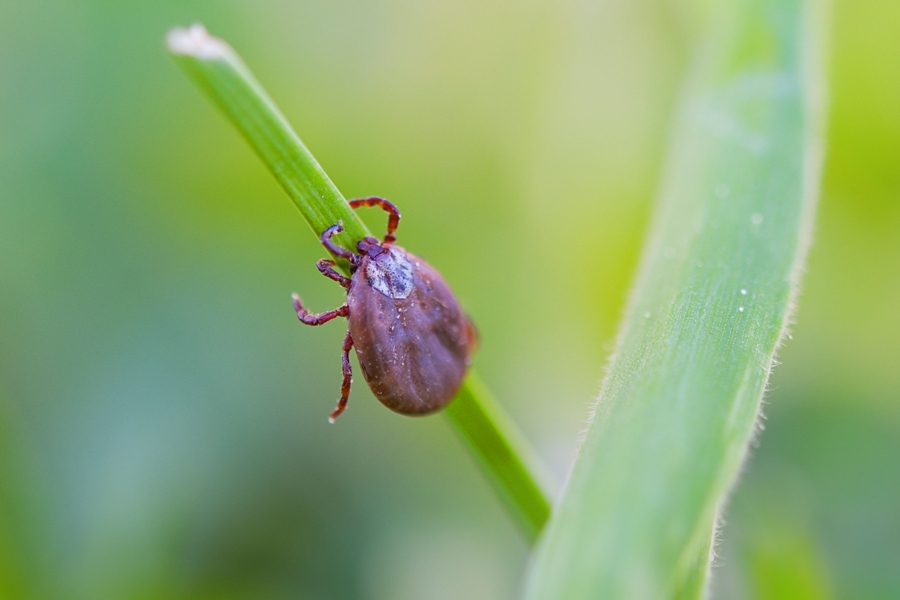
Infections can impact tick behavior and increase survival

How Infections Change Tick Behavior and Survival Some infections may improve tick survival. Borrelia and Babesia can alter tick feeding behavior. Researchers are studying how pathogens manipulate tick behavior. In the article, “Pathogens Manipulating Tick Behavior—Through a Glass, Darkly,” Benelli reviews the literature on tick behavior triggered by infections with Anaplasma, Borrelia, Babesia, Bartonella, Rickettsia,

Infections can impact tick behavior and increase survival Read More »

lyme disease co-infections

Lyme Disease Co-Infections: Symptoms, Testing, and Treatment

Lyme Disease Co-Infections: Symptoms, Testing, and Treatment Ticks may transmit multiple infections in a single bite Co-infections can worsen symptoms and complicate treatment Babesia, Bartonella, Anaplasmosis, and Ehrlichia are increasingly recognized Lyme disease co-infections occur when a tick transmits multiple infectious organisms during a single bite. These co-infections may worsen symptoms, complicate diagnosis, and require

Lyme Disease Co-Infections: Symptoms, Testing, and Treatment Read More »

Lyme disease vaccine for humans being given to male patient

Lyme disease vaccine for humans: Would you trust it?

Lyme Disease Vaccine for Humans: Would You Trust It? Lyme disease vaccines for humans remain controversial LYMErix reduced some Lyme disease outcomes but raised questions about broader protection Public trust and vaccine effectiveness continue to shape vaccine adoption Interest in a Lyme disease vaccine for humans has resurfaced as Lyme disease cases continue to rise.

Lyme disease vaccine for humans: Would you trust it? Read More »

BITTEN—BUT NEVER SAW A TICK (2)

When Are Ticks Most Active? Why You Can Be Bitten Any Time of Da

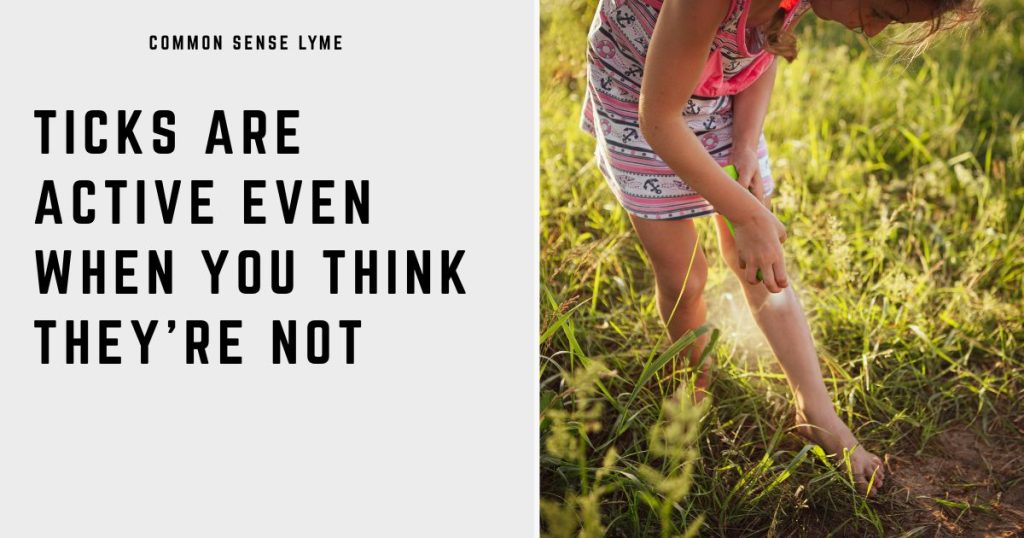
When Are Ticks Most Active? Why Lyme Disease Risk Lasts All Day Ticks may search for hosts throughout much of the day—not just at dawn or dusk. Questing behavior depends on survival and host-seeking activity rather than a strict schedule. Understanding when ticks are most active may help patients recognize Lyme disease risk earlier. When

When Are Ticks Most Active? Why You Can Be Bitten Any Time of Da Read More »

WHY DO I WAKE UP AT 3AM

Sleep Disorders in Lyme Disease: Why Sleep Problems Persist

Sleep Disorders in Lyme Disease: Why Sleep Problems Persist Sleep disorders in Lyme disease often persist despite rest, reflecting underlying neurologic and autonomic dysfunction. Many patients with Lyme disease describe the same pattern—exhaustion that never lifts, nights spent waking at 2 or 3 AM, and the feeling that sleep no longer restores them. Sleep disturbances

Sleep Disorders in Lyme Disease: Why Sleep Problems Persist Read More »