Infected Ticks in Your Yard: Lyme Disease Risk Close to Home
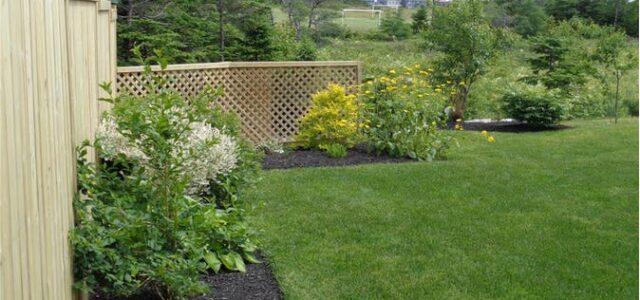
Infected ticks in your yard may be more common than expected. A Canadian study found that hundreds of ticks, including those carrying Lyme disease, were collected from a single residential backyard over several years.
Four citizen scientists in Saint John, New Brunswick, recovered several hundred ticks over a 3-year period beginning in 2014. Their collection methods extended beyond conventional flagging techniques.
“Ticks were obtained by flagging backyard vegetation with a white hand towel, removing ticks from flowers harvested in the backyard, and collecting ticks from the household cat,” according to the study published in Healthcare.
Ticks at multiple life stages—including larval, nymphal, and adult ticks—were identified in the yard. Over the study period, participants collected 47 larvae, 372 nymphs, 15 adult females, and 1 adult male.
Lyme Disease Ticks Found in a Backyard
Approximately 15% of ticks collected at the Saint John site tested positive for Borrelia burgdorferi, the bacterium that causes Lyme disease.
In comparison, infection rates varied at other locations. At a Nova Scotia site, 30% of ticks were infected, while at a Hampton site, 7% tested positive. Some locations had no detectable infected ticks.
Backyard Tick Exposure Risk
The findings highlight how tick exposure risk can vary significantly—even between nearby locations. A single yard may harbor a substantial number of ticks, including those capable of transmitting Lyme disease.
Ticks were collected not only from vegetation but also from a household cat, underscoring how pets can bring ticks into close contact with humans. For more on this risk, see cats and tick-borne diseases.
Prevention Matters at Home
Although some sites had low tick numbers, the presence of infected ticks in residential areas supports the importance of routine prevention strategies. For a broader overview, see Lyme disease prevention.
Takeaway
Infected ticks in your yard are possible—even in residential settings. Awareness and prevention remain important, particularly in regions where Lyme disease is present.
Dr. Daniel Cameron, MD, MPH
Lyme disease clinician with over 30 years of experience and past president of ILADS.
Symptoms • Testing • Coinfections • Recovery • Pediatric • Prevention


I believe this is very important info. And it reinforces my belief that local Public Health Units should release to the public the specific results of their tick flags. This includes the location of each drag and the results; also the coinfections that were found. The public is paying for this and should be informed so they can protect themselves.
Is this study from Saint John, New Brunswick or St. John’s, Newfoundland?
Thanks for the question. “St. John region which includes the communities of St. John, Rothesay, Quispamsis, and Hampton in southwestern New Brunswick, a Canadian Atlantic province.” writes the author. I corrected the blog to read Saint John.
It’s Saint John NB – we do not abbreviate.
Why is this not being more public. Even scarier then covid 19.
My wife suffers from Lyme disease and even when you know you have it, there is no treatment. Who wants to watch anyone in their family suffer from this. A remedy needs to be found. Eliminating the world of ticks is an impossible solution.
A course of antibiotics if you catch it early is not enough.
A lot of people are suffering their worst nightmare with this disease. They need to be helped.
Why is this not being more public. Even scarier then covid 19.
My wife suffers from Lyme disease and even when you know you have it, there is no treatment. Who wants to watch anyone in their family suffer from this. A remedy needs to be found. Eliminating the world of ticks is an impossible solution.
A course of antibiotics if you catch it early is not enough.
A lot of people are suffering their worst nightmare with this disease. They need to be helped.