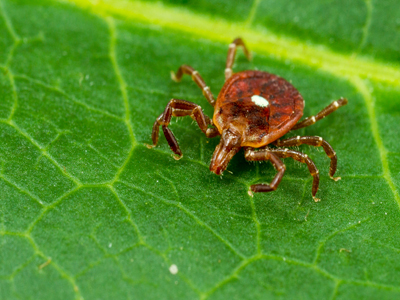
Are Lone Star Ticks in Your Neighborhood?
Lone star ticks are increasingly common in New Jersey
Many bites occur close to home rather than deep woods
Understanding where they live may reduce tick exposure
Between 2006 and 2016, researchers received 8,608 ticks from 22 states in the U.S. [1] However, most of the ticks were collected in Monmouth County, New Jersey, where the investigators were located. Monmouth County has long been recognized as endemic for Lyme disease.
Residents living in endemic regions may also benefit from understanding tick prevention strategies and how tick populations are changing over time.
Researchers found that lone star ticks accounted for nearly half (48.1%) of the ticks submitted, “far outpacing encounters with I. scapularis (28.2% of submissions).”
The dog tick (Dermacentor variabilis) accounted for approximately 20% of ticks collected.
Most tick bites found on young children and seniors
The greatest number of ticks were removed from children ages 0 to 9 and adults age 50 and older. “These age groups were also more likely to submit partially or fully engorged ticks, suggesting increased risk of tick-borne disease transmission to these vulnerable age groups,” writes Jordan in the journal PLoS One.
Ticks collected close to home
Ticks were more likely to be collected from an individual’s place of residence, rather than from a park or natural area. This was particularly true for individuals over 60 years of age.
The findings suggest that exposure often occurs close to home, meaning yards, gardens, leaf piles, and neighborhood green spaces may present opportunities for tick exposure.
[bctt tweet=”The lone star tick is expanding into new regions causing concern, as it can transmit several types of tick-borne diseases, along with a rare meat allergy.” username=”DrDanielCameron”]
The authors remind us of the risk of tick bites occurring even during “mundane activities like raking leaves or gardening in one’s own backyard.”
Tick stages and seasonal tick bites
Developmental stage of the ticks varied. “While I. scapularis submissions were split roughly 50–50 between adult females and nymphs, fully 61% of all A. americanum submissions were nymphal ticks.”
Given that black-legged (deer) ticks were submitted throughout the year, the authors warn readers “that fall and winter active I. scapularis females may play [a role] in disease transmission.”
Meanwhile, lone star and dog ticks were submitted most often in the spring and summer months.
When are lone star ticks most active?
Lone star ticks are most active during spring and summer months, while black-legged ticks may remain active during cooler seasons.
Do lone star ticks carry Lyme disease?
Lone star ticks are not considered the primary vector for Lyme disease transmission. However, they are associated with several other tick-borne illnesses and conditions, including ehrlichiosis, STARI, and alpha-gal syndrome.
This study offers us insight into the growing threat of the lone star tick, both at home and in our neighborhoods.
Frequently Asked Questions
Are lone star ticks found in New Jersey?
Yes. Lone star ticks are increasingly reported throughout New Jersey and were commonly identified in this surveillance study.
When are lone star ticks most active?
Lone star ticks are most active during spring and summer, particularly during nymphal stages.
Do lone star ticks carry Lyme disease?
Lone star ticks are not considered a primary Lyme disease vector but may carry other pathogens.
Are lone star ticks found in neighborhoods?
Many exposures occur around homes, yards, and residential properties rather than only in wooded areas.
Clinical Takeaway
Lone star ticks appear to be increasingly established in areas where many people may not expect them, including residential settings and neighborhoods.
Understanding where lone star ticks live, when they are active, and which illnesses they carry may help reduce exposure and improve early recognition.
Related Articles
What blood type do ticks prefer?
When should you worry about ticks in your neighborhood?
What is STARI and how does it differ from Lyme disease?
Alpha-gal syndrome and tick bites
References
- Jordan RA, Egizi A. The growing importance of lone star ticks in a Lyme disease endemic county: Passive tick surveillance in Monmouth County, NJ, 2006-2016. PLoS One. 2019;14(2):e0211778.
Dr. Daniel Cameron, MD, MPH
Lyme disease clinician with over 30 years of experience and past president of ILADS.
Symptoms • Testing • Coinfections • Recovery • Pediatric • Prevention