Lyme Disease Prevention: What Works—and What Doesn’t
Lyme disease prevention is the most effective way to reduce risk—but it is not foolproof. Even with precautions, tick exposure can occur. Understanding what works, what doesn’t, and what to do after a tick bite is essential.
Even with careful prevention, infections can still occur. Recognizing Lyme disease symptoms early remains critical to preventing complications.
Effective Lyme disease prevention rarely relies on a single measure. What works depends on where you live, how you spend time outdoors, and which layers of protection you use.
Why Tick-Borne Risk Is Increasing
Tick-borne illnesses are increasing as tick populations expand geographically and human exposure rises. Public health data show a steady increase in human illness associated with tick bites.
Ticks are highly adaptable and can survive in a wide range of environments, contributing to their expanding geographic range and increasing human exposure.
Source: Szalata et al. Biology (Basel). 2026 — review of tick biology and prevention strategies.
This growing exposure means prevention must be approached as a layered strategy rather than relying on a single method.
Why Lyme Disease Prevention Matters
Lyme disease is the most common tick-borne infection in North America. While many infections respond well to early treatment, delayed diagnosis can lead to neurologic, cardiac, and musculoskeletal complications.
Preventing tick bites remains the most reliable way to reduce risk.
Personal Protection: The First Line of Defense
Most prevention strategies rely on reducing tick contact before and after outdoor exposure. No single method is sufficient—combining approaches offers the best protection.
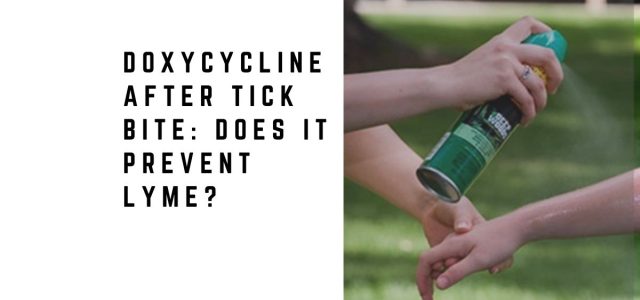
Repellents: EPA-registered repellents containing DEET, picaridin, IR3535, or oil of lemon eucalyptus can significantly reduce tick encounters. The CDC recommends applying repellent to exposed skin and treating clothing and gear with products containing 0.5% permethrin.
Some patients explore natural approaches such as essential oil–based repellents. While certain compounds show activity in laboratory studies, their effectiveness in real-world use is less consistent, and safety can vary depending on the product and how it is used.
Source: Review of plant-based acaricides and essential oils for tick control.
Protective clothing: Long sleeves, long pants, and tucking pants into socks create a physical barrier. Light-colored clothing can make ticks easier to detect.
Permethrin-treated clothing: Permethrin kills ticks on contact and remains active through multiple washes. Despite strong evidence, many individuals do not routinely use it.
Tick Checks and Removal After Coming Indoors
Tick checks remain one of the most important preventive steps after outdoor exposure.
Where to check: Behind knees, groin, belly button, armpits, behind ears, hairline, and scalp.
Showering: Showering within two hours may remove unattached ticks, but will not dislodge attached ticks.
Clothing care: Placing clothing in a dryer on high heat for at least 10 minutes can kill ticks.
Yard and Environmental Management
Environmental interventions target the tick life cycle and may reduce exposure around homes.
Habitat reduction: Removing leaf litter, brush, and tall grass—especially at yard edges—may reduce tick habitat.
Rodent control: White-footed mice play an important role in the Lyme disease cycle. Reducing rodent exposure may help limit tick populations.
Deer exposure: Adult ticks often feed on deer, but controlling deer alone does not consistently reduce tick encounters.
Targeted yard treatments: Border-focused applications may be more effective than widespread spraying.
After a Tick Bite: The Prophylaxis Debate
A single 200 mg dose of doxycycline within 72 hours of a tick bite may reduce the risk of developing Lyme disease. However, it does not guarantee prevention and does not protect against other tick-borne infections such as Babesia.
- Single Dose Doxycycline After a Tick Bite
- Doxycycline Dosage for Lyme Disease Prevention
- Why a Second Opinion Matters
It is also important to recognize that Lyme disease transmission may occur without a recognized tick bite.
Regional Differences in Prevention
Prevention behaviors vary geographically, influenced by environmental exposure and local risk patterns.
Who Is Most at Risk?
- Children who play outdoors
- Gardeners, hikers, and hunters
- Residents near wooded areas
- Pet owners
- Outdoor workers
Future Prevention: Lyme Disease Vaccines
There is currently no widely available Lyme disease vaccine for humans, although several vaccine candidates are under development.
Clinical Perspective
Tick bites often go unnoticed, which can delay recognition of tick-borne illness.
In clinical practice, many patients with Lyme disease do not recall a tick bite. Because ticks are small and easily missed, combining multiple prevention strategies offers the best protection.
Source: Szalata et al. Biology (Basel). 2026 — review of tick biology and prevention strategies.
Prevention Is Only Part of the Strategy
Even with careful prevention, Lyme disease can still occur. Early recognition of symptoms and timely evaluation remain critical.
- Recognize early Lyme symptoms
- Understand testing limitations
- Why Lyme disease can be difficult to diagnose
The Bottom Line
No single strategy eliminates the risk of Lyme disease. The most effective approach combines multiple preventive measures with awareness of early symptoms.
- Repellents and protective clothing
- Routine tick checks
- Environmental awareness
- Careful follow-up after a tick bite
Frequently Asked Questions
What is the best way to prevent Lyme disease?
Combining repellents, protective clothing, tick checks, and environmental awareness offers the best protection.
Can Lyme disease be prevented after a tick bite?
A single dose of doxycycline may reduce risk but does not prevent all infections.
Do tick checks prevent Lyme disease?
Tick checks help detect ticks early and may reduce the likelihood of transmission.
Reference
Ticks Tick Borne Dis. Bron GM et al.
Context matters: Contrasting behavioral and residential risk factors for Lyme disease.
2020.
Reviewed and authored by Dr. Daniel Cameron, MD, MPH
Dr. Daniel Cameron, MD, MPH
Lyme disease clinician with over 30 years of experience and past president of ILADS.
Symptoms • Testing • Coinfections • Recovery • Pediatric • Prevention