Can You Recover From Lyme Disease? What to Expect
Recovery from Lyme disease is possible
Delayed diagnosis and co-infections may prolong illness
Persistent symptoms deserve careful reassessment
Can you recover from Lyme disease? Many patients do recover, especially when Lyme disease is diagnosed and treated early. Others improve more gradually, particularly when diagnosis is delayed or symptoms persist after initial treatment.
Recovery timelines vary widely. Some patients improve within weeks, while others require longer periods of treatment, rehabilitation, and symptom management.
Outcomes may depend on several factors, including how early Lyme disease is recognized, the presence of co-infections such as Babesia or Bartonella, neurologic involvement, autonomic dysfunction, and how treatment is approached over time.
Has Anyone Recovered From Lyme Disease?
Yes. Many individuals recover from Lyme disease and return to normal daily activities. Early diagnosis generally offers the best opportunity for full recovery.
Recovery from one episode of Lyme disease does not provide lifelong immunity, and reinfection is possible following another infected tick bite.
However, not all patients follow the same course. Some continue to experience lingering fatigue, pain, cognitive symptoms, or autonomic dysfunction after treatment.
How Long Does Recovery From Lyme Disease Take?
Recovery from Lyme disease varies considerably. Some patients recover within a few weeks after antibiotic treatment, while others experience fatigue, pain, cognitive symptoms, or neurologic problems that improve more gradually over months.
The length of recovery often depends on how early Lyme disease was diagnosed, whether neurologic complications developed, and whether co-infections or other medical conditions are present.
Overall, the prognosis for Lyme disease is generally favorable when diagnosed early. Patients with delayed diagnosis, neurologic involvement, autonomic dysfunction, or co-infections may experience a longer recovery, but improvement may still be possible with careful reassessment and individualized care.
When Lyme Disease Is Diagnosed Early
When Lyme disease is identified early, treatment is often more straightforward and recovery may occur more quickly.
Early Lyme disease can present with:
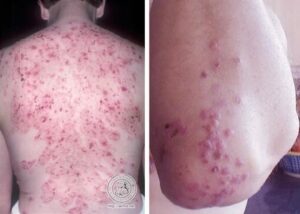
- Erythema migrans (EM) rash
- Flu-like illness
- Joint pain or swelling
- Bell’s palsy
- Lyme carditis
- Lyme meningitis
Prompt antibiotic treatment frequently leads to substantial improvement, although some patients may continue to experience symptoms requiring follow-up care. Even with early treatment, recovery timelines vary and some individuals recover more slowly than others.
For early symptom recognition, see Lyme Disease Symptoms Guide.
When Diagnosis Is Delayed
Recovery may become more complicated when Lyme disease is missed or diagnosed late.
Patients with delayed diagnosis may develop:
- Brain fog and memory problems
- Neurologic symptoms
- Migrating pain
- Fatigue
- Dizziness or balance problems
- Sleep disturbance
- Autonomic dysfunction, including POTS
These symptoms may overlap with other medical conditions, making diagnosis and recovery more difficult.
For more, see Delayed Lyme Disease Diagnosis.
Persistent Symptoms After Treatment
Some patients remain ill after completing antibiotic therapy, a condition commonly referred to as post-treatment Lyme disease syndrome (PTLDS).
Persistent symptoms may include:
- Fatigue
- Joint pain
- Cognitive dysfunction
- Sleep problems
- Neurologic symptoms
In some cases, additional evaluation may uncover co-infections, autonomic dysfunction, neuroinflammation, or other contributors to ongoing illness.
Public health agencies, including the CDC, acknowledge that some patients experience prolonged symptoms following recommended antibiotic treatment.
For more on persistent symptoms, see Symptoms of Post-Treatment Lyme Disease Syndrome.
Can Patients Recover From Advanced Lyme Disease?
Yes. Recovery may still occur even in patients with longstanding or neurologic Lyme disease, although improvement can take longer.
Treatment approaches may include:
- Antibiotic therapy
- Evaluation for co-infections
- Neurologic rehabilitation
- Physical therapy
- Autonomic support
- Symptom-based management
For patients with prolonged illness, recovery may also involve gradual physical reconditioning, cognitive rehabilitation, treatment of sleep disorders, and management of autonomic symptoms alongside treatment of active infections when appropriate.
In my experience, many patients improve when persistent symptoms are reassessed carefully rather than dismissed.
For neurologic complications, see Neurologic Lyme Disease.
Frequently Asked Questions
Can you fully recover from Lyme disease?
Many patients recover fully, especially with early diagnosis and treatment. Others improve more gradually over time.
How long does Lyme disease recovery take?
Recovery timelines vary widely. Some patients recover within weeks, while others experience symptoms for months or longer.
Can symptoms continue after Lyme disease treatment?
Yes. Some individuals continue to experience fatigue, pain, cognitive symptoms, or other symptoms after treatment.
Can delayed Lyme disease still improve?
Yes. Even patients with delayed diagnosis or neurologic symptoms may improve with individualized care and careful reassessment.
Do co-infections affect recovery?
Yes. Co-infections such as Babesia and Bartonella may complicate recovery and require additional diagnostic evaluation and treatment considerations.
Clinical Takeaway
Many people recover from Lyme disease, particularly when diagnosis and treatment occur early.
Patients with delayed diagnosis, neurologic involvement, autonomic dysfunction, or co-infections may require longer recovery periods and more individualized care.
Persistent symptoms should prompt careful reassessment rather than dismissal, as recovery may still be possible even after prolonged illness.
Related Articles
These related articles explore diagnosis, testing, persistent symptoms, and factors that may influence recovery from Lyme disease.
Why Long-Term Lyme Symptoms Persist
Lyme Disease Test Accuracy
Can Early Lyme Disease Tests Be Negative?
Lyme Disease Misdiagnosis
Lyme Coinfections
-
- Centers for Disease Control and Prevention (CDC). Lyme Disease. Accessed 2026.
- Lantos PM, Rumbaugh J, Bockenstedt LK, et al. Clinical Practice Guidelines by the Infectious Diseases Society of America (IDSA), American Academy of Neurology (AAN), and American College of Rheumatology (ACR): 2020 Guidelines for the Prevention, Diagnosis and Treatment of Lyme Disease. Clin Infect Dis. 2021;72(1):e1-e48.
- Marques A. Chronic Lyme Disease: A Review. Infect Dis Clin North Am. 2022;36(3):673-689.
- Aucott JN, Rebman AW, Crowder LA, Kortte KB. Post-treatment Lyme disease syndrome symptomatology and the impact on life functioning. Pathogens. 2013;2(4):811-823.
- Talbot NC, Spillers NJ, Luther P, et al. Lyme Disease and Post-treatment Lyme Disease Syndrome: Current and Developing Treatment Options. Cureus. 2023;15(8):e43112. doi:10.7759/cureus.43112.
Dr. Daniel Cameron, MD, MPH
Lyme disease clinician with over 30 years of experience and past president of ILADS.
Symptoms • Testing • Coinfections • Recovery • Pediatric • Prevention