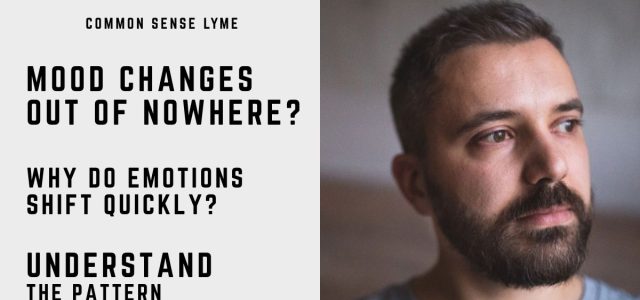
Sudden Mood Changes in Adults: What Causes Them?
Sudden mood changes can occur without warning.
Rapid mood shifts or mood swings may follow illness or other triggers.
Recognizing the pattern may help guide evaluation.
Sudden mood changes in adults can feel confusing—especially when emotions shift quickly without a clear reason.
Irritability, anxiety, low mood, or emotional reactivity may appear almost overnight, even in individuals without a prior history of mood disorders. Some people describe these sudden mood changes as rapid mood swings or abrupt emotional shifts.
Patients often describe a clear shift: something changed—and quickly.
Sudden mood changes may occur as part of a broader pattern of abrupt neuropsychiatric symptoms, including anxiety, cognitive difficulty, or behavioral changes. In some cases, this pattern overlaps with PANS in adults, where symptoms begin suddenly rather than gradually.
For a broader overview of this pattern, see sudden neuropsychiatric symptoms in adults.
What Do Sudden Mood Changes Feel Like?
Patients often describe a noticeable change from their usual baseline.
- Sudden irritability or frustration
- Rapid mood swings or emotional shifts
- Emotional reactivity out of proportion to the situation
- Low mood or loss of motivation
- Anxiety or internal unease
- Difficulty concentrating or “brain fog”
The abrupt onset is one of the most important clinical clues.
These symptoms may occur alone—or alongside other changes in thinking, sleep, or behavior.
Some people also notice that their emotions change much more quickly than usual, making them feel unlike themselves.
What Causes Sudden Mood Changes in Adults?
Sudden mood changes or mood swings can have many possible causes. In some individuals, symptoms develop after an identifiable trigger rather than gradually over months or years.
Potential contributors include:
- Recent infection or illness
- Immune system activation or dysregulation
- Inflammatory responses affecting the brain
- Physiologic or psychological stress
- Medication changes or other medical conditions
Several studies suggest that Lyme disease and other infections may be associated with depression, anxiety, sleep disturbance, cognitive symptoms, and emotional changes in some patients. However, findings across studies are not entirely consistent, and not everyone with Lyme disease develops neuropsychiatric symptoms. Recent reviews emphasize the importance of early diagnosis while acknowledging that additional research is needed to better understand these associations.
This pattern is also described in conditions such as Lyme disease and PANS, where neuropsychiatric symptoms may emerge suddenly.
Is This the Same as a Mood Disorder?
Not always.
While symptoms may resemble depression or mood instability, the pattern of onset can differ.
- Typical mood disorders: Often develop gradually over time.
- Sudden mood changes: Begin rapidly, sometimes following an illness or another trigger.
This distinction may be important when symptoms do not follow expected patterns.
Can Sudden Mood Changes Affect Personality or Behavior?
Yes. Family members sometimes report that an individual “doesn’t seem like themselves.” Mood changes may be accompanied by increased irritability, withdrawal, anxiety, emotional sensitivity, or changes in behavior.
These changes do not necessarily indicate a permanent personality disorder. Instead, they may reflect an underlying medical, neurologic, or neuropsychiatric condition that deserves further evaluation.
Sudden Mood Changes Often Occur With Other Symptoms
In many adults, mood changes are not the only symptom.
Patients may also experience:
- Anxiety or panic symptoms
- Intrusive or repetitive thoughts
- Difficulty concentrating
- Brain fog
- Fatigue
- Sleep disruption
This broader pattern can make symptoms difficult to categorize.
For more on the full range of symptoms, see what PANS symptoms feel like.
When Should Sudden Mood Changes Raise Concern?
Sudden onset may warrant closer evaluation, especially when:
- Symptoms appear abruptly over days or weeks.
- There is no prior history of similar symptoms.
- Symptoms fluctuate or come in waves.
- Symptoms follow an illness or another identifiable trigger.
For more on possible triggers, see what triggers PANS symptoms.
Do Symptoms Come and Go?
Yes. Many individuals report that symptoms fluctuate over time.
- Symptoms worsen during illness or stress.
- Periods of improvement may be followed by recurrence.
- The intensity of symptoms may vary from week to week.
This fluctuating course is commonly reported in sudden-onset neuropsychiatric conditions.
Frequently Asked Questions
What causes sudden mood swings in adults?
Sudden mood swings may occur after infections, immune activation, stress, medication changes, hormonal disorders, neurologic illnesses, or psychiatric conditions. The pattern of symptoms and their onset can help guide further evaluation.
Why does my mood change so fast?
Rapid mood changes can occur for many reasons. When symptoms begin abruptly or are accompanied by cognitive or behavioral changes, a broader medical evaluation may be appropriate.
Can illness cause sudden emotional changes?
Yes. Some infections and inflammatory illnesses have been associated with sudden emotional or neuropsychiatric symptoms in susceptible individuals.
Are sudden mood changes different from depression?
They can be. Depression often develops gradually, whereas sudden mood changes may begin over days or weeks and sometimes follow an identifiable trigger.
Do sudden mood changes come and go?
Yes. Many people report fluctuating symptoms with periods of improvement followed by recurrence, particularly during illness or increased stress.
Clinical Takeaway
Sudden mood changes in adults may represent more than an isolated emotional problem. When symptoms begin abruptly—particularly after an illness or other trigger—they may occur alongside cognitive, behavioral, or neurologic changes that deserve careful evaluation.
Research suggests that Lyme disease and other infections may be associated with neuropsychiatric symptoms in some individuals, including mood changes, anxiety, sleep disturbance, and cognitive symptoms. However, findings across studies remain mixed, and these symptoms are not unique to Lyme disease. The timing of symptom onset, associated features, and the overall clinical picture remain important when considering possible causes.
Recognizing the pattern of sudden mood changes together with cognitive or behavioral symptoms may help guide a broader clinical evaluation and appropriate treatment.
Related Articles
Learn more about sudden-onset neuropsychiatric symptoms and related Lyme disease conditions:
Sudden neuropsychiatric symptoms in adults
PANS in adults
Lyme disease and PANS
Brain fog in Lyme disease
Neuropsychiatric Lyme disease
References
- Šegždaitė G, Aliukonytė O, Pociūtė K. Neuropsychiatric Manifestations of Lyme Disease: A Literature Review of Psychiatric and Cognitive Impacts. Acta Med Litu. 2025;32(1):6-21.
- Hündersen F, Forst S, Kasten E. Neuropsychiatric and Psychological Symptoms in Patients with Lyme Disease: A Study of 252 Patients. Healthcare (Basel). 2021;9(6):733.
- Fallon BA, Madsen T, Erlangsen A, Benros ME. Lyme Borreliosis and Associations With Mental Disorders and Suicidal Behavior: A Nationwide Danish Cohort Study. Am J Psychiatry. 2021;178(10):921-931.
Dr. Daniel Cameron, MD, MPH
Lyme disease clinician with over 30 years of experience and past president of ILADS.
Symptoms • Testing • Coinfections • Recovery • Pediatric • Prevention