Lyme Carditis in Children: When Lyme Disease Leads to Cardiac Arrest
A healthy child collapses suddenly
Outdoor exposure is a key clue
Cardiac arrest may be the first sign
Early recognition can be lifesaving
Lyme carditis in children can present suddenly—and in rare cases, lead to cardiac arrest. This case highlights how Lyme disease may affect the heart even in previously healthy children following outdoor exposure.
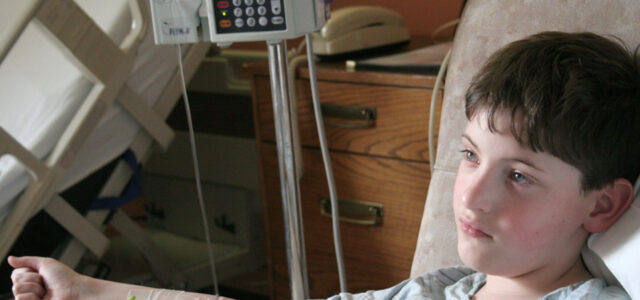
Cunningham and colleagues describe a 12-year-old boy who developed life-threatening cardiac complications after attending an outdoor camp.
Sudden Collapse After Outdoor Exposure
The previously healthy boy had spent 2–3 weeks at an outdoor camp.
Shortly after returning, he:
- Suddenly gasped for air
- Developed cyanosis
- Suffered cardiac arrest while riding in a car
There had been no prior known cardiac condition.
Emergency Resuscitation
The patient required immediate intervention for pulseless ventricular fibrillation.
Care included:
- 8 minutes of cardiopulmonary resuscitation (CPR)
- Defibrillation
- Intubation
- Intravenous epinephrine and lidocaine
Spontaneous circulation was restored after aggressive resuscitation.
Severe Cardiac Complications
In the pediatric intensive care unit, the patient developed:
- Persistent tachyarrhythmias
- Fascicular tachycardia
- Severe hypoxemia
- Reduced cardiac function
Treatment included:
- Dopamine and norepinephrine
- Antiarrhythmic therapy (procainamide → amiodarone)
- Intravenous ceftriaxone
These findings were consistent with myocarditis and cardiac involvement.
For more, see Lyme carditis.
Diagnosis: Lyme Disease
Laboratory testing confirmed Lyme disease:
- Strongly positive ELISA
- Positive IgM and IgG Western blot
The patient received:
- 21 days of intravenous ceftriaxone
Cardiac function, including ejection fraction, returned to normal.
Neurologic Consequences
Despite cardiac recovery, the patient suffered significant neurologic injury.
Brain imaging showed:
- Global cerebral edema
- Hypoxic injury to the basal ganglia and hippocampi
- Involvement of motor and visual cortices
He developed:
- Altered mental status
- Agitation
- Dysautonomia
Long-term rehabilitation was required.
Why This Case Matters
This case highlights several critical points:
- Lyme disease can affect the heart in children
- Cardiac arrest may be the first presentation
- Outdoor exposure is an important risk factor
- Early recognition may prevent severe complications
Delays in diagnosis can have life-threatening consequences.
For symptom patterns, see Lyme disease symptoms guide.
Clinical Takeaway
Lyme carditis in children can present suddenly and severely—even in previously healthy individuals.
Cardiac symptoms following outdoor exposure should prompt consideration of Lyme disease.
Early diagnosis and treatment can be lifesaving.
Related Reading
Reference
- Cunningham MEA et al. HeartRhythm Case Reports. 2017.
Dr. Daniel Cameron, MD, MPH
Lyme disease clinician with over 30 years of experience and past president of ILADS.
Symptoms • Testing • Coinfections • Recovery • Pediatric • Prevention


I also in 2001, started to spiral downhill to cardiac failure. It is good to see this child’s Lyme issues recognized. We have come a fair distance with Lyme related issues in 17 years.
Thanks for sharing with the public,
Our health care system is failing us “lymies”. Tests are outdated, doctors refuse to treat this disease in fear of retaliation from the CDC and Insurance. More than 300’000 per year are affected(double breast cancer patients) yet no hope in sight.
I am a healthy 48 year old woman that on August after struggling for a week from shortness of breath, heart palpitation and overall fatigue I was rushed to the hospital with complete heart block. Within this first 12 hours my heart rate plummeted to below 20 and was rushed into surgery where I was given a temporary pace maker. Long story short I was put on intravenous antibiotic for the suspected Lyme disease. Although after 9 days and no changes, the dr. was not sure if in fact it was Lyme. Day 10 in CCU and the medication started to work. Subsequently my heart corrected itself after approximately 1+ month, and the I am pace maker free. I was luck enough to catch it before it caused more damage. Hope the 12 year old continues to recover form his BI. I too know what that’s like as my son was hit my a cars in 2013 and suffered a TBI.
Horrible! HPV vaccine has been shown to damage the heart… He’s at that age. Add in Lyme etc infection and good luck staying alive!
My son is 18, he was miss diagnosed for 10 years with Lyme. I was told he had a anxiety disorder. His,symptoms have been can’t sleep, not been able to do school, ( focus) terrible anxiety , tacacardia for years!! This poor kid sat in school with all these symptons! Now he feels like he can’t breath! Our kids are suffering and it’s heart wrenching! Had him set up for a cardio stress,test, had to cancel due to him up all nigh feeling like he could not breath. Just bought a far infared sauna, and am doing herbal therapy trying to get his gut healthy. Was put on oral antibiotics when diagnosed and it was devastating to his gut. This takes,time. Prayers to all who are dealing with this darn stuff.
Thanks for sharing your son’s story. I am happy to hear you have included a cardiologist. “Air hunger” is an ill defined symptoms described by some patients with the tick borne pathogen called Babesia. You should include Babesia into what looks like a complete evaluation. Babesia is a tick borne pathogen that requires a different treatment.