Babesia and Lyme Coinfection Risk: What a National Tick Study Reveals
Ticks submitted by the public
Coinfections are common
Babesia is spreading beyond expected regions
Risk may be underestimated
Babesia and Lyme coinfection risk may be higher—and more widespread—than many clinicians realize.
A national study using citizen science data provides a broader look at human exposure to ticks and tick-borne infections beyond traditional reporting systems.
A National Citizen Science Approach
In a study by Nieto and colleagues published in PLoS One, researchers collected ticks submitted directly by the public across the United States.
The study ran from January 2016 through August 2017 and included:
- 16,080 ticks submitted by citizen scientists
- Screening for multiple pathogens including:
- Borrelia burgdorferi
- Borrelia miyamotoi
- Anaplasma phagocytophilum
- Babesia microti
A key pattern is real-world exposure. This study reflects ticks found on or near people—not just physician-reported infections.
Babesia Found in Multiple Tick Species
The investigators found:
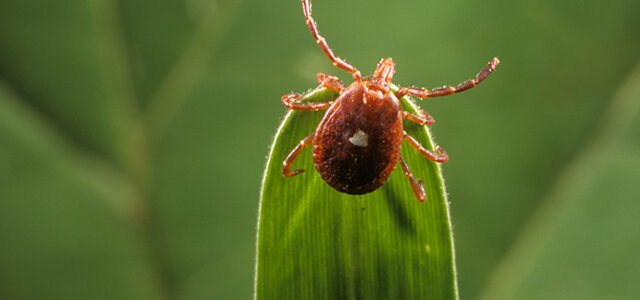
- Lone star ticks (Amblyomma americanum) had the highest prevalence of Babesia microti (2.5%)
- Deer ticks (Ixodes scapularis) also carried B. microti (1.8%)
A key pattern is expansion. Babesia is not limited to one tick species or one region.
However, the authors caution that the ability of lone star ticks to transmit Babesia remains under investigation.
Coinfections Are Common—and Clinically Important
The most common coinfection identified was:
- Anaplasma phagocytophilum + Borrelia burgdorferi
But importantly:
- Babesia microti + Borrelia burgdorferi coinfection was also observed
Other studies suggest that in the Northeast:
- Up to 40% of Lyme disease patients may also have Babesia
A key pattern is overlap. Patients may have more than one infection contributing to symptoms.
Learn more about Lyme coinfections.
Why Babesia Coinfection Matters
Babesia infection can:
- Increase the severity of illness
- Prolong recovery
- Complicate diagnosis and treatment
A key pattern is amplification. Coinfections may worsen the clinical course compared to Lyme disease alone.
Geographic Expansion of Risk
The study identified Babesia microti-infected ticks in states where it had not been previously reported, including:
- Alabama
- Arkansas
- Indiana
- Mississippi
A key pattern is spread. Tick-borne infections are expanding beyond traditional endemic areas.
This mirrors trends seen in expanding Lyme disease regions.
Why This Study Changes the Conversation
Traditional surveillance relies on diagnosed cases.
This study looks at exposure risk—which may be much higher.
A key pattern is underestimation. Many infections may go unrecognized or unreported.
Clinical Takeaway
Babesia and Lyme coinfection risk should be considered in patients with persistent or severe symptoms—especially in endemic or expanding regions.
Testing for coinfections may be critical when symptoms are not fully explained by Lyme disease alone.
Related Reading
- Babesia symptoms and presentations
- Babesia and blood safety concerns
- Babesia transmission case
- Where is the lone star tick found?
References
- Nieto NC, Porter WT, Wachara JC, et al. Using citizen science to describe tick exposure in the U.S. PLoS One. 2018.
- Diuk-Wasser MA, Vannier E, Krause PJ. Coinfection by Ixodes tick-borne pathogens. Trends Parasitol. 2015.
- Krause PJ, Telford SR, Spielman A, et al. Concurrent Lyme disease and babesiosis. JAMA. 1996.
Dr. Daniel Cameron, MD, MPH
Lyme disease clinician with over 30 years of experience and past president of ILADS.
Symptoms • Testing • Coinfections • Recovery • Pediatric • Prevention