Contact us at 914-666-4665

Dr. Daniel Cameron

Board-certified physician with 38+ years specializing in Lyme disease and tick-borne illnesses. Past President of ILADS (International Lyme and Associated Diseases Society) and first author of ILADS treatment guidelines. Dr. Cameron operates a solo practice focused on patient advocacy and evidence-based Lyme disease treatment. He is the author of 1,100+ articles spanning diagnosis, treatment, co-infections, and recovery from tick-borne illnesses. His work challenges conventional approaches that often leave patients undiagnosed or undertreated, emphasizing clinical judgment over rigid adherence to testing criteria that frequently produce false negatives.

Dr. Daniel Cameron
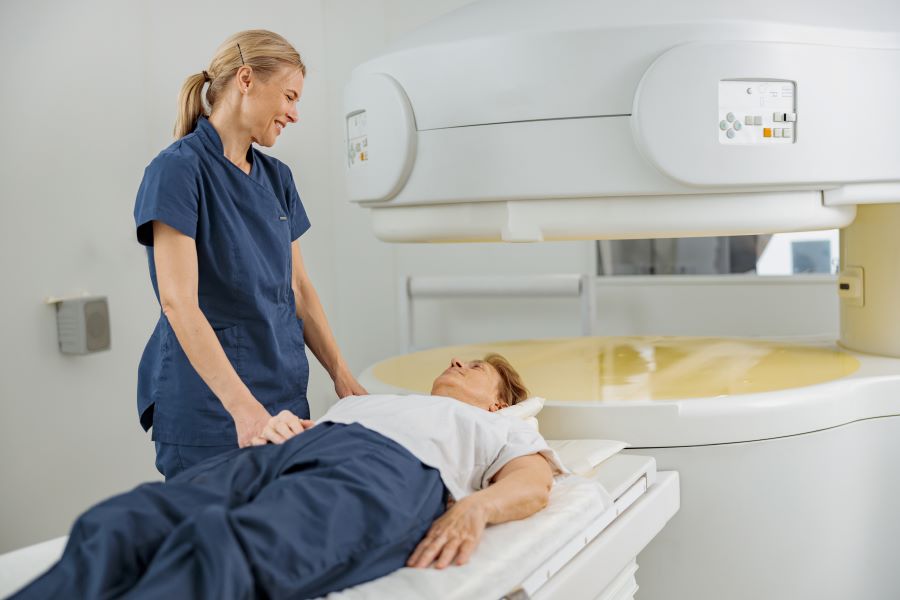
Lyme disease patient getting a costly tests including an MRI.

Cascade of Unnecessary Tests: When Lyme Goes Undiagnosed

Cascade of Unnecessary Tests: When Lyme Goes Undiagnosed Cascade of care in Lyme disease often occurs when the correct diagnosis is missed. Patients with fatigue, neurologic symptoms, joint pain, or cognitive dysfunction may undergo extensive testing across multiple specialties before Lyme disease is considered. Instead of unnecessary tests triggering the cascade, the cascade begins because […]

Cascade of Unnecessary Tests: When Lyme Goes Undiagnosed Read More »

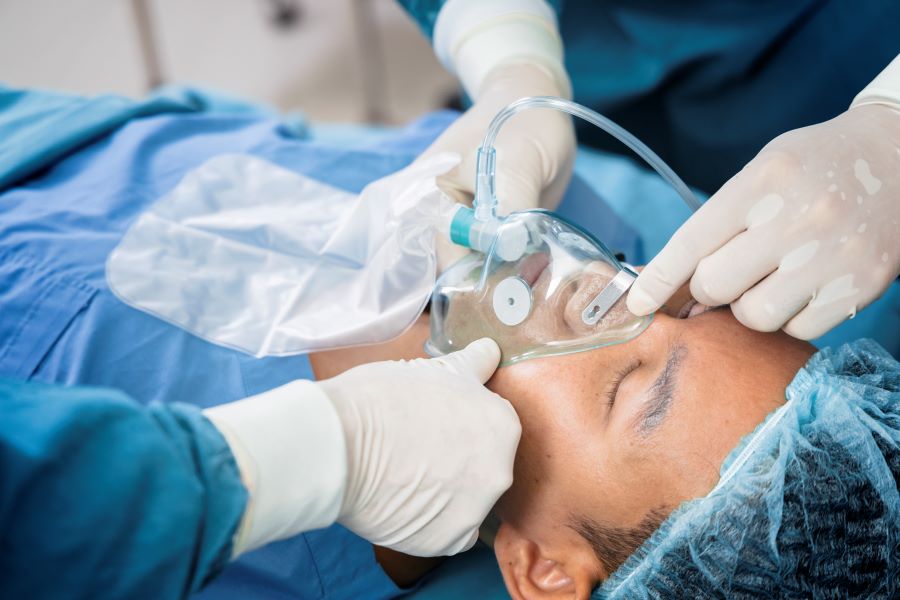
Doctors gives anesthetic medication to patient with Lyme disease.

Lyme Disease and Anesthesia Considerations

Lyme Disease and Anesthesia Considerations Lyme disease anesthesia considerations are important for patients undergoing surgical procedures. Undiagnosed Lyme disease, neurologic involvement, and cardiac complications can affect perioperative management and anesthetic choices. In her article “Lyme Disease and Anesthesia Considerations,” Smit discusses several issues anesthetic practitioners should consider when caring for patients with Lyme disease. Key

Lyme Disease and Anesthesia Considerations Read More »

Man with Lyme carditis and a pacemaker implantation talks to doctor.

Successful removal of pacemakers in patients with Lyme carditis

Successful removal of pacemakers in patients with Lyme carditis Reversible heart block from Lyme disease means patients may not need permanent pacemakers for life. Two cases demonstrate successful removal of permanent pacemakers after antibiotic treatment restored normal cardiac conduction. Both patients maintained 1:1 conduction at heart rates exceeding 120 beats per minute during exercise stress

Successful removal of pacemakers in patients with Lyme carditis Read More »

Lyme patient expressing frustration with doctor.

‘Near-universal’ negative experiences with healthcare providers reported by Lyme disease patients

‘Near-universal’ negative experiences with healthcare providers reported by Lyme disease patients “Healthcare providers frequently struggle to provide effective care to patients with chronic Lyme-associated symptoms…potentially causing these patients to feel misunderstood or neglected by the healthcare system,” the authors wrote. They listed 6 themes that emerged from the participants experiences: Late diagnosis, abandonment, loss, unpredictability,

‘Near-universal’ negative experiences with healthcare providers reported by Lyme disease patients Read More »

Woman rubbing painful shoulder due to Lyme meningitis.

Lyme Meningitis Leading to Hyponatremia (SIADH)

Lyme Meningitis Leading to Hyponatremia (SIADH) Hyponatremia from Lyme disease can signal underlying neuroborreliosis causing syndrome of inappropriate antidiuretic hormone (SIADH) secretion. An 83-year-old woman developed persistent low sodium levels (125-126 mmol/L) initially attributed to blood pressure medication, but after one month of diagnostic confusion and medication changes, a lumbar puncture finally revealed Lyme meningitis

Lyme Meningitis Leading to Hyponatremia (SIADH) Read More »

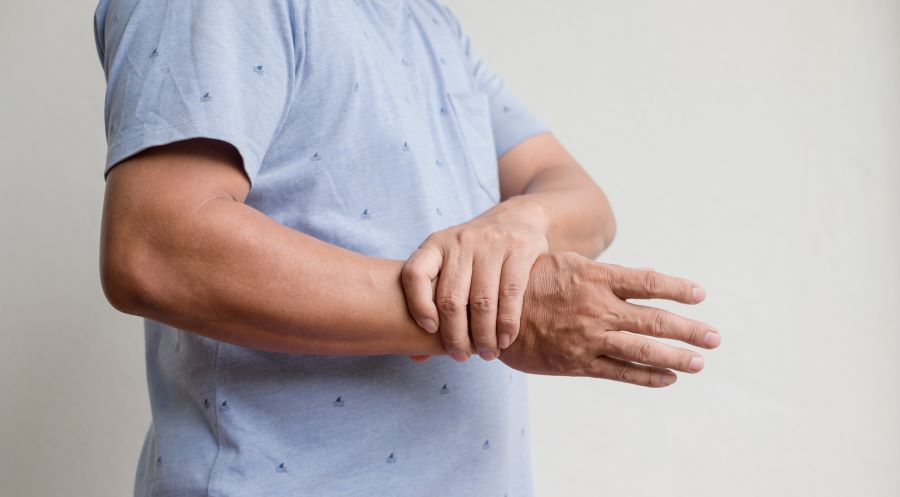
Man with lyme arthritis rubbing his wrist.

Lyme Arthritis and Rheumatoid Arthritis Linked to Poor Quality of Life

Lyme Arthritis and Rheumatoid Arthritis: Impact on Quality of Life Lyme disease can sometimes be mistaken for rheumatoid arthritis, particularly when patients present with joint pain, stiffness, and reduced mobility. In some cases, both conditions may coexist, leading to greater disability and a more complex clinical picture. For a full overview of Lyme arthritis, including

Lyme Arthritis and Rheumatoid Arthritis Linked to Poor Quality of Life Read More »

Woman with bull's eye rash being examined at the hospital.

Erythema migrans rash doesn’t always have bull’s eye appearance

Bullous Erythema Migrans: An Atypical Lyme Disease Rash Erythema migrans rash does not always appear as the classic bull’s-eye lesion associated with Lyme disease. Several reports have described urticarial, linear, granulomatous, and bullous variants, which can lead to misidentification, delayed diagnosis, and delayed treatment. In their article, “Vesiculobullous Lyme disease: A case series,” the authors

Erythema migrans rash doesn’t always have bull’s eye appearance Read More »

Man taking doxycycline which will only prevent Lyme disease rash.

Doxycycline After Tick Bite: Does It Prevent Lyme?

Doxycycline After Tick Bite: Does It Prevent Lyme? A single dose of doxycycline is often recommended after a tick bite to prevent Lyme disease. However, the evidence supporting this strategy is limited and primarily shows a reduction in the Lyme disease rash known as erythema migrans rather than reliable prevention of Lyme disease itself. Key

Doxycycline After Tick Bite: Does It Prevent Lyme? Read More »

atal babesiosis

Fatal Babesiosis: When the Infection Turns Deadly

Fatal Babesiosis: When a Tick-Borne Infection Turns Deadly Fatal babesiosis is uncommon but well documented. While many cases occur in older or immunocompromised patients, severe infection can occasionally develop in individuals without classic risk factors. In this case report, a man without asplenia or advanced age died from babesiosis despite receiving appropriate treatment. Key Point:

Fatal Babesiosis: When the Infection Turns Deadly Read More »

Meningoencephalitis-Borrelia-miyamotoi

Meningoencephalitis Borrelia Miyamotoi: Case Report

Meningoencephalitis Borrelia Miyamotoi: Case Report Meningoencephalitis Borrelia Miyamotoi: Case ReportMeningoencephalitis Borrelia miyamotoi can occur even in immunocompetent patients. A 73-year-old man was admitted to the hospital with a 16-day history of confusion and intermittent headaches. He was an avid gardener and reportedly had tick bites in the past but none that he noticed in the

Meningoencephalitis Borrelia Miyamotoi: Case Report Read More »