
Contact us at 914-666-4665

Dr. Daniel Cameron

Dr. Daniel Cameron is a board-certified physician and epidemiologist specializing in Lyme disease and tick-borne illnesses. He is a past president of ILADS and has contributed to Lyme disease treatment guidelines, with a clinical focus on diagnosis, testing limitations, and complex cases.

Dr. Daniel Cameron
Renewed call for dialogue on Lyme disease

Lyme Disease Dialogue: A Renewed Call for Collaboration

Lyme Disease Dialogue: A Renewed Call for Collaboration Lyme disease dialogue is urgently needed as evidence continues to highlight the complexity of this multisystem illness. “We need more national and international debates on Lyme disease, complemented by a solid research agenda and a focus on cutting edge biological technologies,” writes Borgermans and colleagues. :contentReference[oaicite:0]{index=0} ILADS […]

Lyme Disease Dialogue: A Renewed Call for Collaboration Read More »
WHY LYME TREATMENT ISN’T WORKING

Babesia and Lyme — it’s worse than you think

Lyme Coinfections: Babesia, Bartonella & More For a structured overview, see our coinfections hub. Lyme disease coinfections include Babesia, Bartonella, Anaplasmosis, Ehrlichiosis—tick-borne infections that can influence symptoms and recovery. Lyme disease coinfections are common and clinically significant. The same tick bite that transmits Borrelia burgdorferi may also carry additional pathogens. When multiple infections are transmitted

Babesia and Lyme — it’s worse than you think Read More »

Treatment options for an anxious, suicidal patient with a history of Lyme disease

Lyme Disease Psychiatric Symptoms: Anxiety, Depression, and Brain Effects

Lyme Disease Psychiatric Symptoms: Anxiety, Depression, and Brain Effects Psychiatric symptoms may have a medical cause Lyme disease can affect the brain Symptoms may persist despite treatment Quick Answer: Lyme disease psychiatric symptoms can include anxiety, depression, panic attacks, and cognitive impairment. These symptoms may reflect neurologic involvement, persistent infection, or co-infections, and often require

Lyme Disease Psychiatric Symptoms: Anxiety, Depression, and Brain Effects Read More »

Travelers heading south cannot escape the threat of tick-borne diseases

Tick-Borne Diseases in the South: Why Travelers Remain at Risk

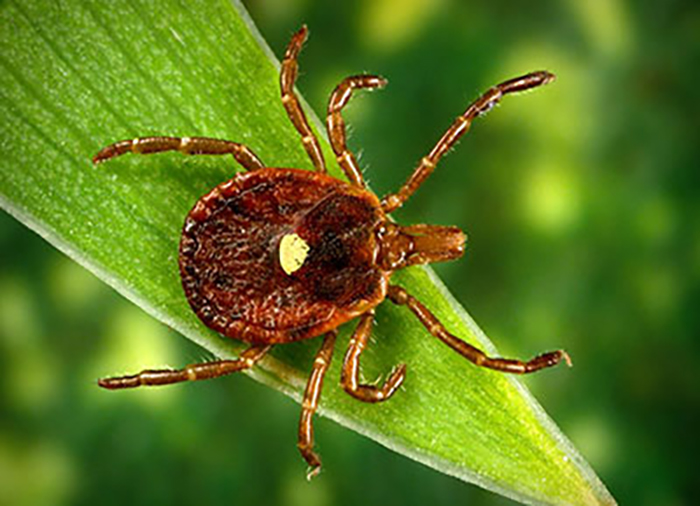
Tick-Borne Diseases in the South: Why Travelers Remain at Risk Tick-borne diseases in the South are increasing as tick populations expand into new regions. Although Lyme disease is often associated with the Northeast, multiple tick species in the southern United States carry a range of infections that travelers should be aware of. :contentReference[oaicite:0]{index=0} “The recent

Tick-Borne Diseases in the South: Why Travelers Remain at Risk Read More »

Time for shared decision-making when treating Lyme disease

Lyme Disease Shared Decision Making: Why Patients Must Be Involved

Lyme Disease Shared Decision Making: Why Patients Must Be Involved Lyme disease shared decision making is essential in a condition marked by uncertainty, variation in symptoms, and differing treatment approaches. Medicine is increasingly moving away from a model where physicians make all decisions toward a patient-centered approach that actively involves patients at every stage of

Lyme Disease Shared Decision Making: Why Patients Must Be Involved Read More »

At least 50% of patients with Lyme neuroborreliosis remain ill years after treatment

Lyme Neuroborreliosis Long-Term Symptoms: Many Patients Remain Ill

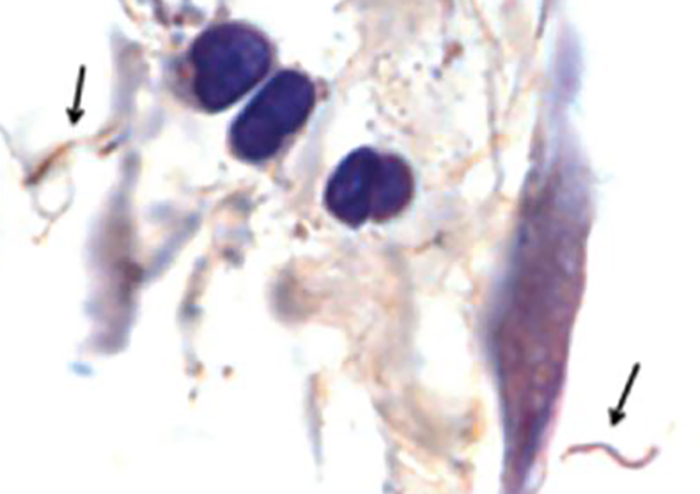
Lyme Neuroborreliosis Long-Term Symptoms: Many Patients Remain Ill Symptoms can persist for years Neurologic deficits may remain Fatigue and pain are common Recovery is often incomplete Lyme neuroborreliosis long-term symptoms can persist for years after treatment, affecting neurologic function, quality of life, and daily activity. Despite ongoing debate, multiple studies document persistent manifestations of Lyme

Lyme Neuroborreliosis Long-Term Symptoms: Many Patients Remain Ill Read More »

Babesia Coinfection: When One Diagnosis Hides Another

Lyme Babesia Coinfection: When One Diagnosis Hides Another

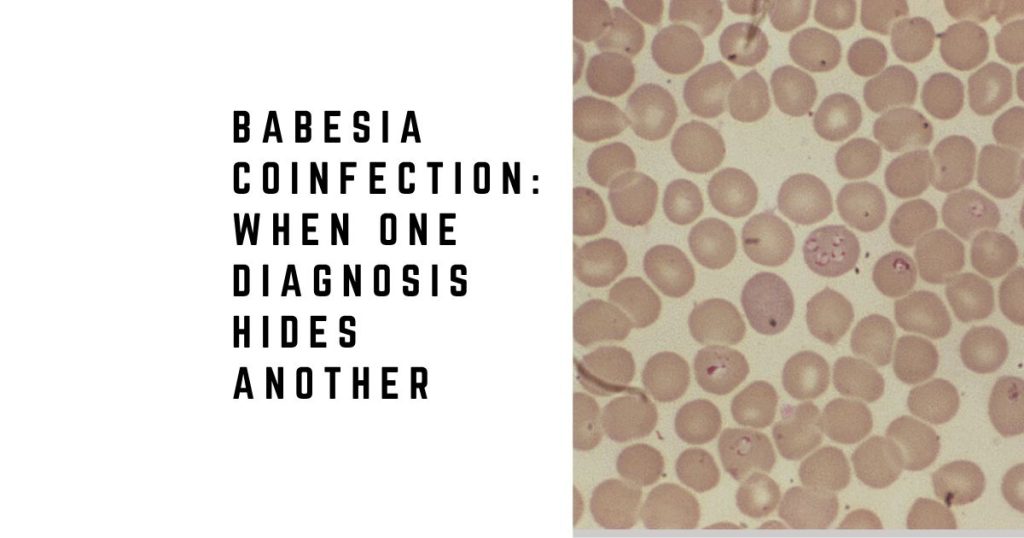
Lyme Babesia Coinfection: When One Diagnosis Hides Another Lyme Babesia coinfection is more common than many realize—and in some cases, Lyme disease is the diagnosis that gets missed. In this case report, an elderly man diagnosed with Babesia nearly had his Lyme disease overlooked until he developed Bell’s palsy. :contentReference[oaicite:0]{index=0} The importance of clinicians considering

Lyme Babesia Coinfection: When One Diagnosis Hides Another Read More »

Lyme Disease Persister Cells: Why Symptoms Can Persist After Antibiotics

Lyme Disease Persister Cells: Why Symptoms Can Persist After Antibiotics Some Lyme bacteria may survive antibiotics—helping explain why symptoms can persist after treatment. Lyme disease persister cells may help explain why some patients continue to experience symptoms even after standard antibiotic therapy. Key Question: If antibiotics kill Lyme bacteria, why do symptoms sometimes persist? Experimental

Lyme Disease Persister Cells: Why Symptoms Can Persist After Antibiotics Read More »

Extended Antibiotic Therapy for Lyme Disease: What Doctors Are Prescribing

Extended Antibiotic Therapy for Lyme Disease: What Doctors Are Prescribing Extended antibiotic therapy for Lyme disease is more common in clinical practice than guidelines suggest. While the Infectious Diseases Society of America (IDSA) recommends a maximum of 21 days of antibiotics, the International Lyme and Associated Diseases Society (ILADS) supports individualized treatment based on patient

Extended Antibiotic Therapy for Lyme Disease: What Doctors Are Prescribing Read More »

The Politics of Lyme Disease: Why Patients Are Caught in the Middle

The Politics of Lyme Disease: Why Patients Are Caught in the Middle Lyme disease politics continue to shape how patients are diagnosed, treated, and ultimately understood. When competing medical viewpoints influence care, patients may be caught in the middle. Lyme in the Limelight, published by Hamodia, features interviews with leading voices in Lyme disease research,

The Politics of Lyme Disease: Why Patients Are Caught in the Middle Read More »