
Contact us at 914-666-4665

Dr. Daniel Cameron

Board-certified physician with 38+ years specializing in Lyme disease and tick-borne illnesses. Past President of ILADS (International Lyme and Associated Diseases Society) and first author of ILADS treatment guidelines. Dr. Cameron operates a solo practice focused on patient advocacy and evidence-based Lyme disease treatment. He is the author of 1,100+ articles spanning diagnosis, treatment, co-infections, and recovery from tick-borne illnesses. His work challenges conventional approaches that often leave patients undiagnosed or undertreated, emphasizing clinical judgment over rigid adherence to testing criteria that frequently produce false negatives.

Dr. Daniel Cameron
woman with pots and lyme disease holding her forehead

POTS and Lyme Disease: Does Standing Worsen Brain Fog?

POTS and Lyme Disease: Does Standing Worsen Brain Fog? Patients with autoimmune disorders are at risk for POTS, along with individuals who have had a viral illness or serious infection such as Lyme disease. In fact, patients with POTS and Lyme disease often present with similar symptoms. Key Point: Research suggests that patients with POTS […]

POTS and Lyme Disease: Does Standing Worsen Brain Fog? Read More »

Doxycycline After a Tick Bite: Is One Dose Enough?

Doxycycline After a Tick Bite: Is One Dose Enough? One dose of doxycycline after a tick bite is often recommended to prevent Lyme disease. But does this approach actually work—especially in children? One of the most common questions after a tick bite is whether antibiotics are necessary—and if so, how much is enough. For a

Doxycycline After a Tick Bite: Is One Dose Enough? Read More »

Sick woman sitting on couch with disseminated Lyme disease

Weak Immune System and Lyme Disease: What to Know

Weak Immune System and Lyme Disease: What to Know Does a weak immune system make Lyme disease worse? Patients with impaired immunity may be more likely to develop widespread or persistent symptoms, especially if the infection is not recognized early. In some cases, symptoms may also fluctuate over time. Learn more about why Lyme symptoms

Weak Immune System and Lyme Disease: What to Know Read More »

medication chart showing new treatments for lyme disease

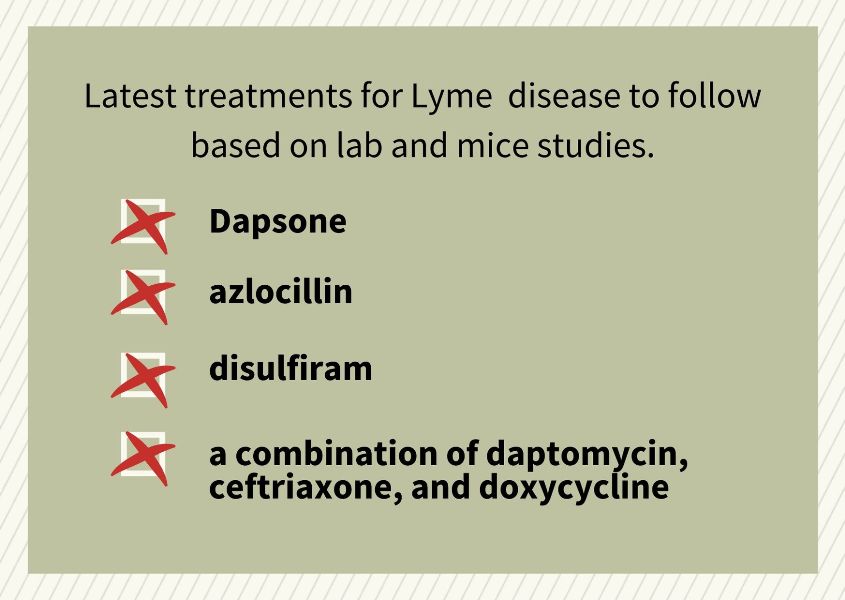
New Treatments for Lyme Disease on the Horizon

New Lyme Disease Treatments: Dapsone, Disulfiram and Azlocillin New treatments for Lyme disease are being investigated as researchers attempt to understand why some patients continue to experience symptoms after standard antibiotic therapy. Some investigators believe persistent infection, drug-tolerant bacteria, or immune system dysfunction may contribute to ongoing symptoms in a subset of patients. These concerns

New Treatments for Lyme Disease on the Horizon Read More »

girl holding hands over ears has central sensitization syndrome

Central Sensitization Syndrome and Persistent Lyme Symptoms

Central Sensitization Syndrome Worsens Lyme Disease Symptoms? Central sensitization syndrome (CSS) involves changes in the central nervous system, particularly the brain and spinal cord. This syndrome “is thought to involve hyperactivation of central neurons, leading to various synaptic and neurotransmitter/neuromodulator changes,” writes Batheja. Central sensitization syndrome can lead to widespread pain, fatigue, and sensory hypersensitivity

Central Sensitization Syndrome and Persistent Lyme Symptoms Read More »

Boy with Lyme disease and atrial fibrillation being resuscitated by EMT

Lyme Disease and Atrial Fibrillation Risk

Lyme Disease Increases Risk of Atrial Fibrillation? Although researchers have gained a better understanding of atrial fibrillation (AFib), many of the causes and risk factors remain unclear. A recent study examined whether Lyme disease may increase the risk of atrial fibrillation. Lyme disease can affect the heart and may cause symptoms such as palpitations, dizziness,

Lyme Disease and Atrial Fibrillation Risk Read More »

Woman sleeping in car who needs late stage lyme disease treatment

Azlocillin: A Potential Treatment for Persistent Lyme Disease

Could Azlocillin Become a Treatment for Late-Stage Lyme Disease? Researchers are investigating whether azlocillin could become a future treatment for late-stage Lyme disease. Scientists identified azlocillin after screening nearly 8,000 drug compounds. In laboratory studies and mouse models, azlocillin was effective against drug-tolerant Borrelia burgdorferi, the bacterium that causes Lyme disease. What Is Azlocillin? Azlocillin

Azlocillin: A Potential Treatment for Persistent Lyme Disease Read More »

Raccoon in the woods infected with babesia microti

Babesia microti in Texas: Raccoons Suggest the Parasite Is Spreading

Babesia microti in Texas: Raccoons Suggest the Parasite Is Spreading Babesia microti, the parasite responsible for most human babesiosis cases in the United States, may be expanding beyond its traditional northeastern range. A new study detected Babesia microti in raccoons in East Texas, raising questions about emerging human risk in the South. Is Babesia microti

Babesia microti in Texas: Raccoons Suggest the Parasite Is Spreading Read More »

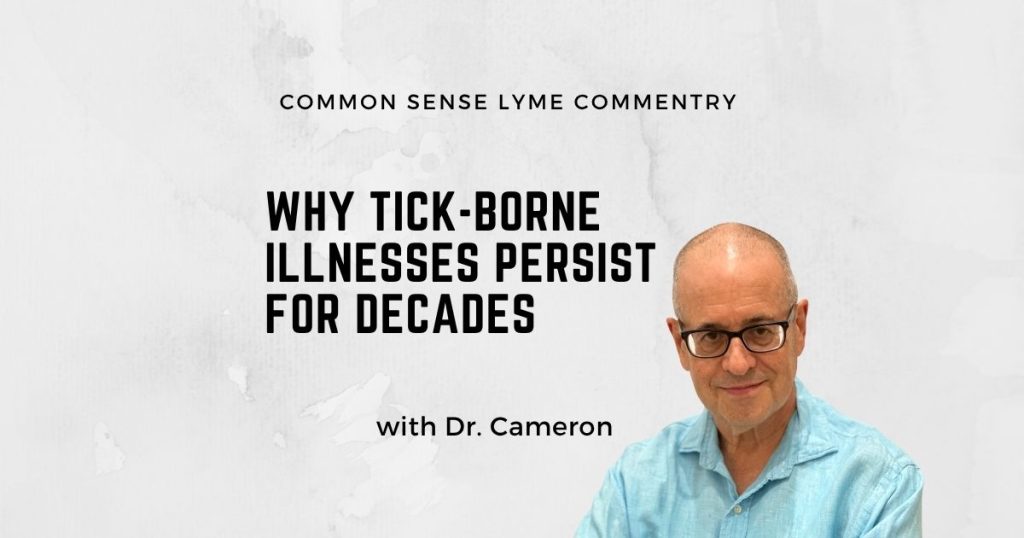
Why Tick-Borne Illnesses Persist for Decades

Why Tick-Borne Illnesses Persist for Decades

Why Tick-Borne Illnesses Persist for Decades Tick-borne illnesses such as Lyme disease behave differently from many infectious diseases. Instead of appearing suddenly and disappearing quickly, these infections circulate quietly between ticks and wildlife reservoirs, allowing them to persist in nature for decades. This ecological pattern helps explain why Lyme disease tests the limits of medicine

Why Tick-Borne Illnesses Persist for Decades Read More »

Man with babesia microti infection travelling with suitcase

Babesia Travel Cases: Imported Babesiosis in International Travelers

Babesia Travel Cases: How Tick-Borne Infections Cross Borders Babesia travel cases are increasingly reported as international travelers carry tick-borne infections across borders. Several countries have documented imported babesiosis in travelers returning from endemic areas such as the Northeastern United States. Babesia is frequently transmitted by the same ticks that spread Lyme disease, which is why

Babesia Travel Cases: Imported Babesiosis in International Travelers Read More »