
Contact us at 914-666-4665

Dr. Daniel Cameron

Dr. Daniel Cameron is a board-certified physician and epidemiologist specializing in Lyme disease and tick-borne illnesses. He is a past president of ILADS and has contributed to Lyme disease treatment guidelines, with a clinical focus on diagnosis, testing limitations, and complex cases.

Dr. Daniel Cameron

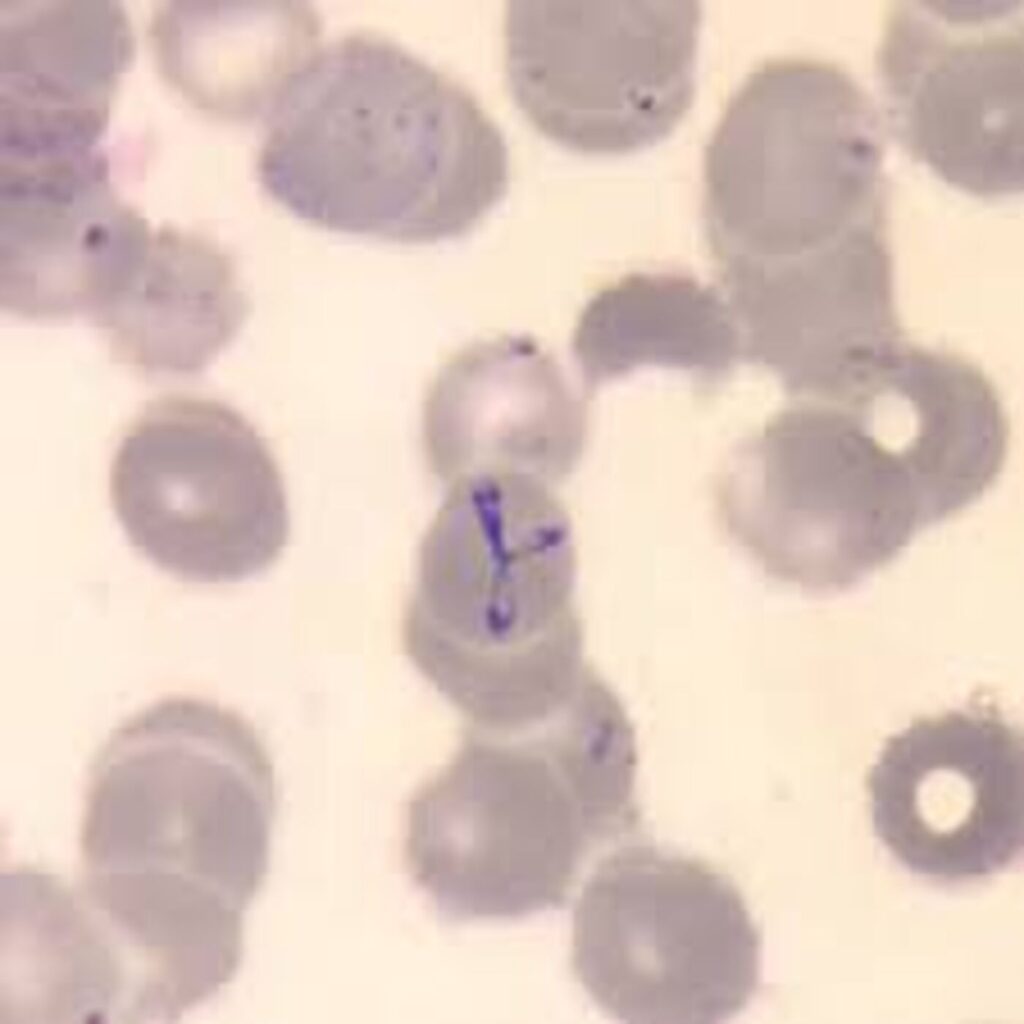
Babesia in Infants: 6-Week-Old Boy Case

Babesia in Infants: 6-Week-Old Boy Case Welcome to another Inside Lyme Podcast. One of the best ways to understand tick-borne illness is through reviewing real clinical cases. In this episode, I discuss a 6-week-old boy diagnosed with Babesia, a serious tick-borne infection that can be difficult to recognize in infants. Babesia infection in infants can […]

Babesia in Infants: 6-Week-Old Boy Case Read More »
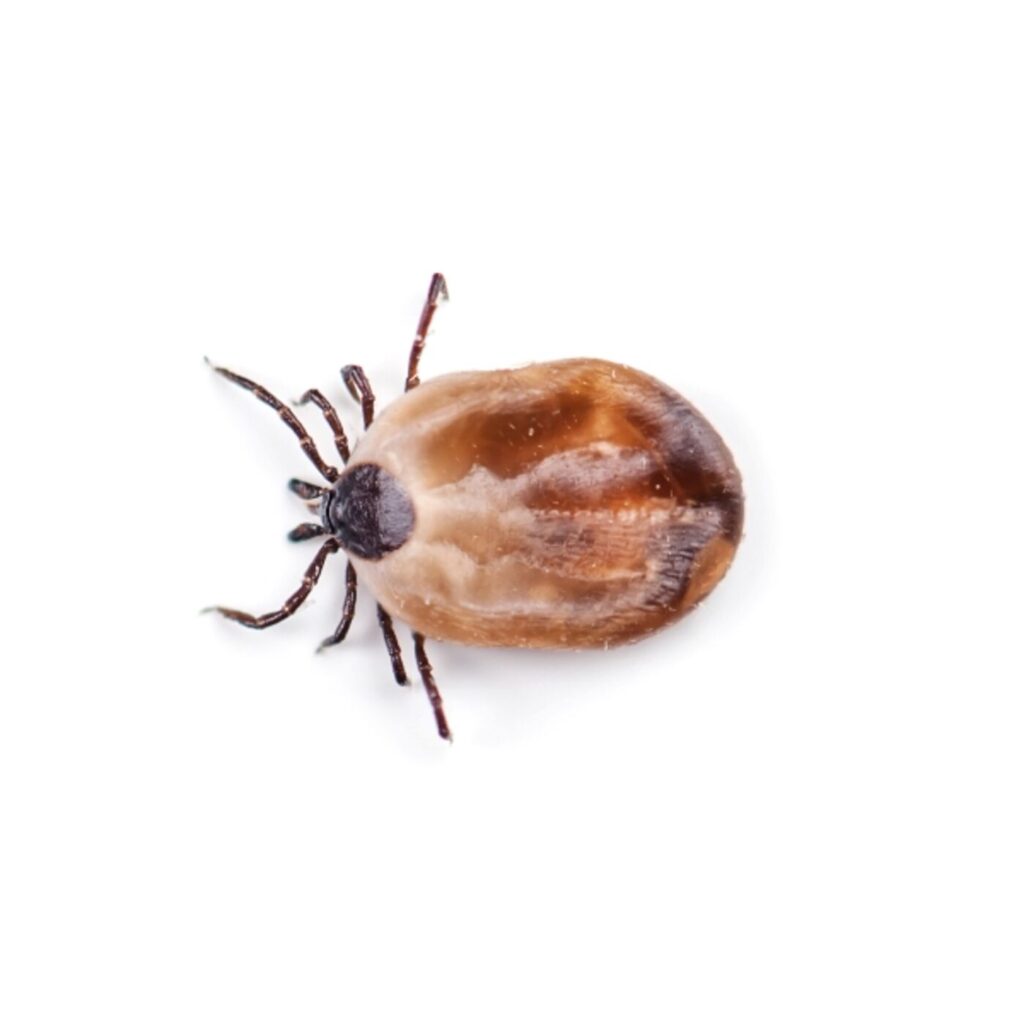
5-week-old girl with Lyme disease.

Lyme Disease in Infants: 5-Week-Old Girl Case Lyme disease can occasionally affect very young infants. In this Inside Lyme Podcast episode, Dr. Daniel Cameron reviews a case involving a 5-week-old girl who required hospitalization and treatment for suspected Lyme meningitis. Dr. Cameron often notes that the best way to understand Lyme disease is by reviewing

5-week-old girl with Lyme disease. Read More »

Conversion Disorder, Guillain-Barré Syndrome, or

Neurologic Lyme Disease Misdiagnosed as Conversion Disorder

Conversion Disorder, Guillain-Barré Syndrome, or Neurologic Lyme Disease? Symptoms worsened despite treatment Neurologic findings did not fit Psychiatric diagnosis came first Infection was identified later Neurologic Lyme disease can mimic psychiatric and neurologic conditions, leading to delayed diagnosis when symptoms are attributed to non-infectious causes. Neurologic symptoms that worsen despite psychiatric treatment rarely prompt infectious

Neurologic Lyme Disease Misdiagnosed as Conversion Disorder Read More »

Three premature babies who contract Babesia from blood transfusions.

Three premature babies who contract Babesia from blood transfusions. Dr. Cameron feels that the best way to get to know Lyme disease is through reviewing actual cases. In this Inside Lyme Podcast episode, he will be discussing three premature babies who contract Babesia from blood transfusions. These cases were originally described in the Journal of

Three premature babies who contract Babesia from blood transfusions. Read More »

Two children who contracted Babesia from their mothers.

Two children who contracted Babesia from their mothers. Two Children Who Contracted Babesia From Their Mothers From the Archives (2020) This article reflects clinical discussion of pediatric Babesia cases at a time when maternal–fetal transmission was rarely considered outside of published case reports. Two pediatric cases raised concern for possible maternal–fetal transmission of Babesia. These

Two children who contracted Babesia from their mothers. Read More »

Lyme Disease in England: Debate Over Chronic Symptoms

Lyme Disease in England: Debate Over Chronic Symptoms Lyme disease is increasingly recognized across the United Kingdom, including England and Wales. However, debate continues among researchers regarding the frequency of persistent symptoms following infection. According to reporting in the BMJ, neurologic Lyme disease in England represents a late complication that occurs in approximately one in

Lyme Disease in England: Debate Over Chronic Symptoms Read More »

babesia exchange transfusion

Severe Babesia Infection? When Exchange Transfusion Becomes Life-Saving

Severe Babesia Infection? When Exchange Transfusion Becomes Life-Saving HIGH PARASITE LEVELS? STANDARD TREATMENT MAY NOT BE ENOUGH WHEN BABESIA BECOMES CRITICAL Babesia exchange transfusion is a life-saving procedure reserved for the most severe cases of babesiosis. When parasite levels rise dangerously high, removing infected red blood cells can rapidly reduce the parasite burden and stabilize

Severe Babesia Infection? When Exchange Transfusion Becomes Life-Saving Read More »

Woman taking antibiotic pills

Is prolonged antibiotics treatment for Lyme disease the new norm?

Long-Term Antibiotics in Lyme Disease: What Surveys Show A key pattern is extended treatment. Many Lyme disease patients receive antibiotics for longer than standard guideline recommendations. In an annual, nationwide survey, 20.3% of patients were treated for 5 to 8 weeks, while 35.6% received treatment for more than 8 weeks. “A surprisingly large proportion of

Is prolonged antibiotics treatment for Lyme disease the new norm? Read More »

Tick-Borne Encephalitis and Lyme Disease: Chronic Symptoms Explained

Post-Infectious Syndromes After Tick-Borne Illness Some patients continue to experience symptoms long after a tick-borne infection has been treated or the acute illness has resolved. These lingering health problems are often described as post-infectious syndromes. Post-infectious illness is recognized after many infections. In the case of tick-borne diseases, similar patterns have been reported following Lyme

Tick-Borne Encephalitis and Lyme Disease: Chronic Symptoms Explained Read More »