
Contact us at 914-666-4665

Dr. Daniel Cameron

Board-certified physician with 38+ years specializing in Lyme disease and tick-borne illnesses. Past President of ILADS (International Lyme and Associated Diseases Society) and first author of ILADS treatment guidelines. Dr. Cameron operates a solo practice focused on patient advocacy and evidence-based Lyme disease treatment. He is the author of 1,100+ articles spanning diagnosis, treatment, co-infections, and recovery from tick-borne illnesses. His work challenges conventional approaches that often leave patients undiagnosed or undertreated, emphasizing clinical judgment over rigid adherence to testing criteria that frequently produce false negatives.

Dr. Daniel Cameron

Atypical presentation of early disseminated Lyme disease

by Daniel J. Cameron, MD MPH “On presentation to our hospital, the patient continued to complain of severe headaches and was noted to have mild unilateral right-sided facial droop and a diffuse macular rash throughout the body,” explains Kantamaneni in his article, A Case of Early Disseminated Neurological Lyme Disease Followed by Atypical Cutaneous Manifestations. […]

Atypical presentation of early disseminated Lyme disease Read More »

12-year-old boy suffers cardiac arrest due to Lyme disease

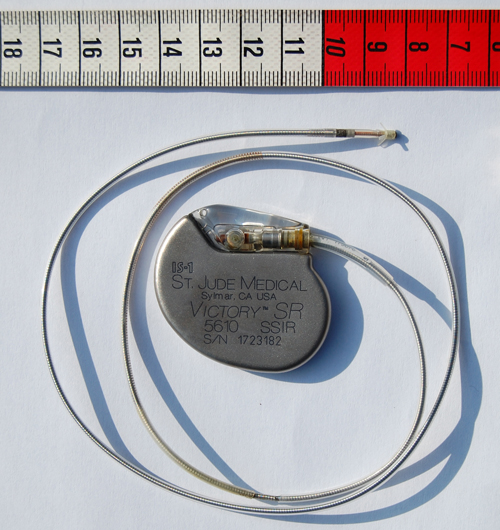
“The patient is a 12-year-old previously healthy boy with a recent history of participation in an outdoor camp for 2–3 weeks who began to gasp for air while riding as a passenger in a car, with subsequent cyanosis and cardiac arrest, following participation in recreational outdoor activities earlier that afternoon,” states Cunningham from the Division

12-year-old boy suffers cardiac arrest due to Lyme disease Read More »

Dogs in Canada at risk for Lyme disease

by Daniel J. Cameron, MD MPH The seroprevalence of positive tests for B. burgdorferi in dogs was highest in areas with close proximity to the United States. The highest seroprevalence was 15.7% in Nova Scotia and 5.1% in Eastern Ontario with surrounding areas of “moderate to low seroprevalence,” according to the study’s lead author, Herrin,

Dogs in Canada at risk for Lyme disease Read More »

Could dormancy allow Lyme disease to survive antibiotics?

Feng and colleagues from Johns Hopkins University have identified FDA-approved drugs that might work on in vitro B. burgdorferi persisters. [2] Persistence may be a subset of dormancy. “Evidence suggests dormancy consists of a continuum of interrelated states including viable but nonculturable (VBNC) and persistence states,” according to Mali. “VBNC and persistence contribute to antibiotic

Could dormancy allow Lyme disease to survive antibiotics? Read More »

7-year-old girl with Lyme disease presenting as attention deficit disorder

by Daniel J. Cameron, MD MPH Susan, a 7-year-old girl who had difficulty focusing in school, was initially diagnosed by a neurologist with probable attention deficit disorder. But she exhibited numerous other symptoms consistent with Lyme disease, as described by Fallon from the Department of Psychiatry, Columbia University Medical Center and the Lyme Disease Research

7-year-old girl with Lyme disease presenting as attention deficit disorder Read More »

Johns Hopkins’ study supports early identification of Lyme disease patients for re-treatment

by Daniel J. Cameron, MD MPH In the Archives of Clinical Neuropsychology, the authors report a substantial number of patients who suffered from severe fatigue, pain and Post-Treatment Lyme disease Syndrome (PTLDS) six months after completing a three-week course of antibiotics for an erythema migrans rash. [4] Out of 107 patients,  6 of the 107

Johns Hopkins’ study supports early identification of Lyme disease patients for re-treatment Read More »

The risk of pain and fatigue after three weeks of Lyme disease treatment

A study from Johns Hopkins found that a substantial number of Lyme disease patients still had significant pain and fatigue after completing a standard 3-week course of doxycycline — and for many, symptoms persisted for 6 months or longer. These findings raise important questions about whether 3 weeks of treatment is sufficient for all patients.

The risk of pain and fatigue after three weeks of Lyme disease treatment Read More »

When Lyme Disease Causes a Positive Test for Mononucleosis

When Mono Tests Are Actually Lyme Disease In an article published in the journal Clinical Infectious Diseases, Pavletic from the National Institute of Mental Health reports “two cases of false positive Epstein-Barr virus (EBV) serologies in early-disseminated Lyme disease.” These cases illustrate an important diagnostic challenge: Lyme disease can trigger positive mononucleosis tests, leading to

When Lyme Disease Causes a Positive Test for Mononucleosis Read More »

Chronic inflammatory demyelinating polyneuropathy (CIDP) case resolved with antibiotics

Chronic inflammatory demyelinating polyneuropathy (CIDP) is a neurological disorder involving inflammation of nerve roots and peripheral nerves and destruction of the protective myelin sheath covering the nerves. It causes progressive weakness and impaired sensory function in the legs and arms. This case demonstrates how CIDP can be triggered by Lyme disease — and how antibiotic

Chronic inflammatory demyelinating polyneuropathy (CIDP) case resolved with antibiotics Read More »