Could Babesia Be Making Herx Symptoms Worse?
Could Babesia be making Herx symptoms worse?
Night sweats and air hunger may be important clues.
Not every symptom flare is a Herxheimer reaction.
Babesia and Herx reactions can overlap in ways that make Lyme disease treatment more confusing. Patients may notice worsening symptoms and assume they are experiencing a Herxheimer reaction, when a coinfection such as Babesia may also be contributing.
Understanding this overlap can help explain why symptoms sometimes feel more intense or persistent than expected.
Some patients notice worsening symptoms during treatment and wonder why they feel worse instead of better. In some cases, this may reflect overlapping Babesia symptoms rather than a Herxheimer reaction alone.
For a broader overview of Herx reactions, see Herxheimer reaction in Lyme disease. To understand timing, review the Herxheimer reaction timeline. Patients often describe worsening symptoms during treatment—learn more about Herx reactions in Lyme patients.
What Is Babesia?
Babesia is a tick-borne parasite that infects red blood cells. It can occur alongside Lyme disease and may influence how patients respond to treatment.
Unlike Lyme disease, which is caused by bacteria, Babesia behaves more like a malaria-like infection and may require different treatment considerations.
Why Babesia Can Worsen Herx Symptoms
When Babesia is present, symptoms may not follow a typical Herxheimer reaction pattern.
- Symptoms may feel more intense or prolonged
- New symptoms may appear that are not typical of Lyme disease alone
- Recovery patterns may be less predictable
This can lead patients to believe they are experiencing a severe Herx reaction when other factors may be involved. Learn more about severe Herx reactions in Lyme disease.
Babesia Symptoms That Can Mimic a Herx Reaction
Babesia can produce symptoms that overlap with Herx reactions, including:
- Fatigue
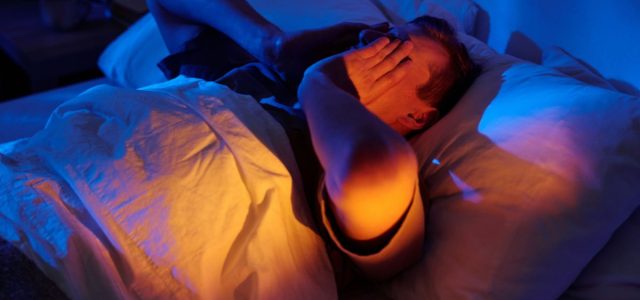
- Night sweats
- Shortness of breath or air hunger
- Headaches
- Flu-like symptoms
These symptoms may be mistaken for a Herxheimer reaction, particularly if they occur during treatment.
For related symptoms, see night sweats in Lyme disease and shortness of breath in Lyme disease.
Herx Reaction vs. Babesia Symptoms
Distinguishing between a Herx reaction and Babesia-related symptoms can be challenging.
A Herx reaction often:
- Occurs after starting or changing treatment
- Follows a time-linked pattern
- Improves over time
Babesia-related symptoms may:
- Persist without clear timing
- Fluctuate independently of treatment changes
- Include hallmark features such as night sweats or air hunger
One clue is the presence of persistent night sweats, air hunger, or chills that continue beyond the expected duration of a Herxheimer reaction. When these symptoms remain prominent despite treatment adjustments, clinicians may consider whether Babesia is contributing to the overall symptom burden.
In some cases, symptoms attributed to a Herx reaction may persist longer than expected, prompting consideration of coinfections.
Clinical Perspective
In clinical practice, not all symptom worsening during Lyme disease treatment is due to a Herxheimer reaction.
When symptoms are more intense, prolonged, or atypical, it may be important to consider coinfections such as Babesia.
Recognizing overlapping patterns can help support more individualized treatment decisions and avoid unnecessary concern about expected treatment responses.
Frequently Asked Questions
Can Babesia cause symptoms that feel like a Herx reaction?
Yes. Babesia symptoms can overlap with Herx reactions, especially during treatment.
Do Babesia symptoms follow a timeline like a Herx reaction?
Not always. Babesia symptoms may fluctuate and are not always tied to treatment timing.
How can I tell if my symptoms are Babesia or a Herx reaction?
Both can cause fatigue, headaches, and flu-like symptoms. However, persistent night sweats, air hunger, chills, and fluctuating symptom patterns may raise suspicion for Babesia coinfection.
Clinical Takeaway
Babesia and Herx reactions can overlap, making symptom interpretation more complex.
Not all worsening symptoms represent a Herxheimer reaction, and coinfections may play a role in how patients experience treatment.
Careful evaluation of symptom patterns, timing, and associated features is essential to guide appropriate care.
Dr. Daniel Cameron, MD, MPH
Lyme disease clinician with over 30 years of experience and past president of ILADS.
Symptoms • Testing • Coinfections • Recovery • Pediatric • Prevention