Contact us at 914-666-4665

Filter posts by category

Lyme Science Blog

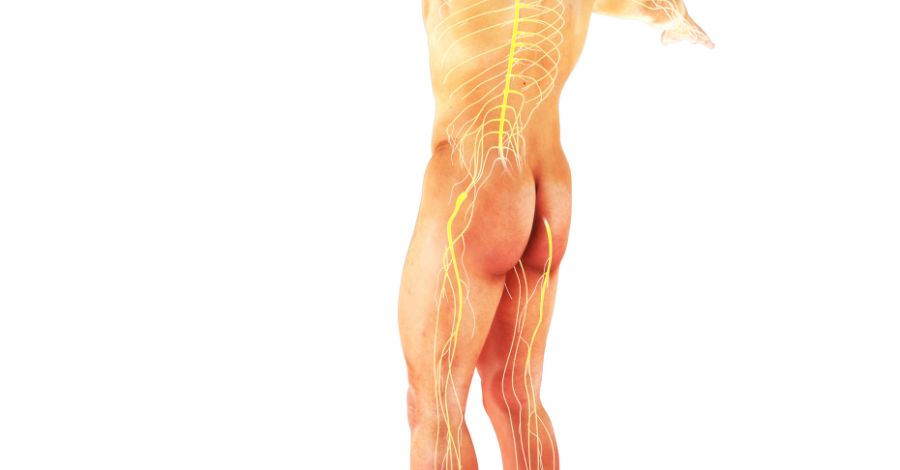
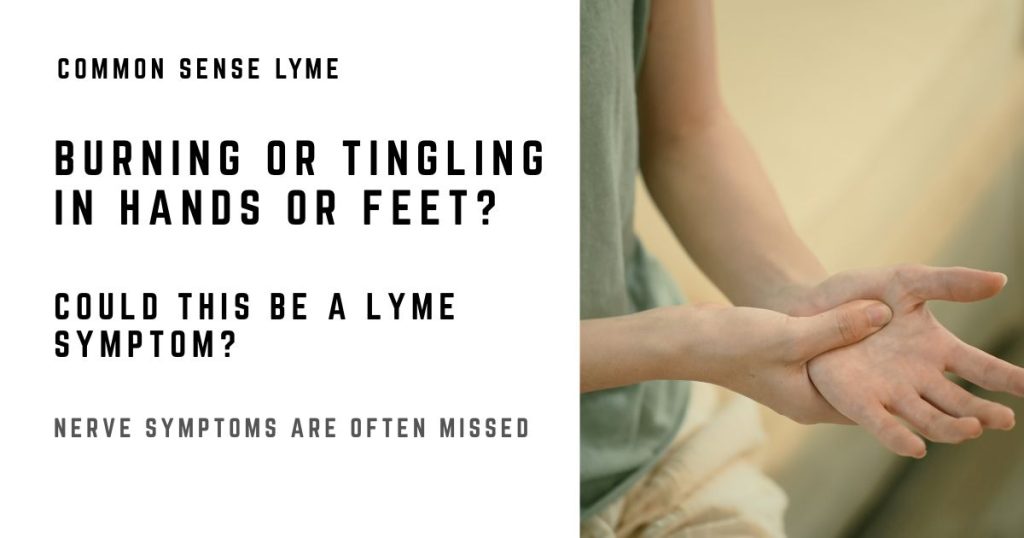
BURNING OR TINGLING IN HANDS OR FEET

Burning or Tingling in the Hands and Feet? It Could Be Lyme disease.

Burning or Tingling in the Hands and Feet? It Could Be Lyme Disease. When Your Nerves Set Off Alarms One of the most common — and most confusing — symptoms I see in Lyme disease patients is a burning or tingling sensation in the hands and feet. For many, it feels like the nerves are […]

Burning or Tingling in the Hands and Feet? It Could Be Lyme disease. Read More »

HEART SYMPTOMS WITH LYME

Lyme Carditis: When Heart Symptoms Can’t Wait

Lyme Carditis: When Heart Symptoms Can’t Wait Heart symptoms in Lyme disease can progress from mild dizziness to dangerous heart block. Early recognition may help prevent life-threatening complications. When the heart is involved, delayed diagnosis carries greater risk. Lyme carditis can turn a missed diagnosis into a medical emergency. Chest pain after a tick bite

Lyme Carditis: When Heart Symptoms Can’t Wait Read More »

Pain Behind the Eyes and Lyme Disease

Lyme Disease Eye Pain: Why Tests Are Often Normal

Lyme Disease Eye Pain: Why Tests Are Often Normal Lyme disease may cause eye pain despite normal exams. Symptoms often reflect neurologic or autonomic dysfunction. Visual strain and pressure may fluctuate over time. Lyme disease eye pain can feel frightening—especially when eye exams and imaging come back normal. Patients frequently describe deep pressure, aching, stabbing

Lyme Disease Eye Pain: Why Tests Are Often Normal Read More »

Why Lyme Disease Causes Joint Instability and Balance Problems

Lyme Disease Balance Problems: Why Joints Feel Unstable

Lyme Disease Balance Problems and Joint Instability Lyme disease may disrupt proprioception and balance. Joint instability can occur even when imaging appears normal. Neurologic sensory dysfunction may affect movement and coordination. Many people with Lyme disease describe the same confusing experience: their joints do not feel reliable. Knees may buckle, ankles feel loose, or hips

Lyme Disease Balance Problems: Why Joints Feel Unstable Read More »

Lyme Autonomic Dysfunction: How Lyme Disease Disrupts the Autonomic Nervous System

How Lyme Disease Disrupts Autonomic Regulation

How Lyme Disease Disrupts Autonomic Regulation Lyme disease may disrupt autonomic nervous system regulation Neuroinflammation and small fiber neuropathy may contribute to dysautonomia Orthostatic stress and cardiovascular instability may worsen symptoms Many patients with Lyme disease report symptoms that feel disconnected and unpredictable—heart racing, dizziness, digestive slowing, anxiety-like sensations, and sudden crashes after stress or

How Lyme Disease Disrupts Autonomic Regulation Read More »

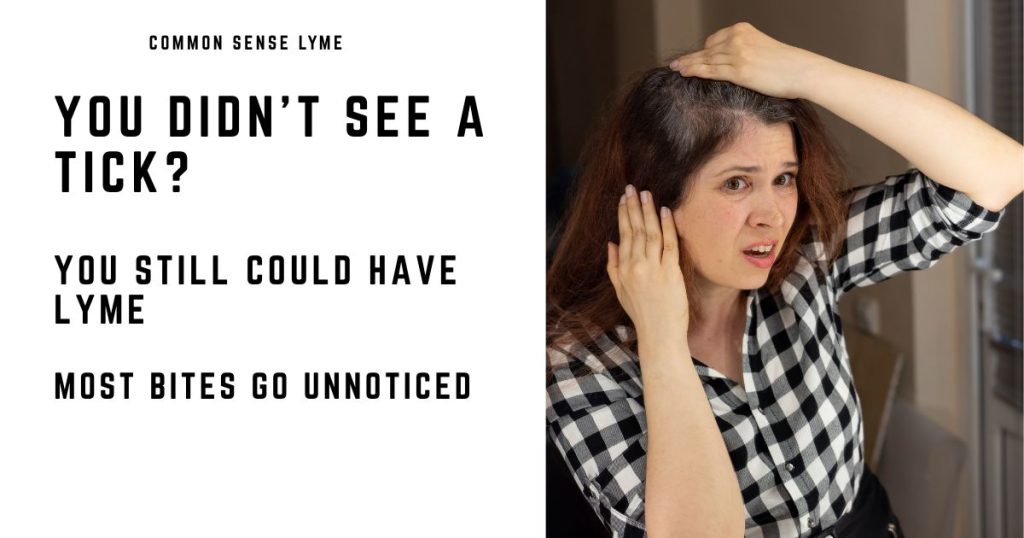
YOU DIDN’T SEE A TICK

Can You Have Lyme Disease Without Seeing a Tick Bite?

Can You Have Lyme Disease Without Seeing a Tick Bite? Can you have Lyme disease without seeing a tick bite? Yes—and most patients never see the tick that infected them. Ticks that transmit Lyme disease are often extremely small, painless, and easy to miss. By the time symptoms appear, the tick is usually long gone.

Can You Have Lyme Disease Without Seeing a Tick Bite? Read More »

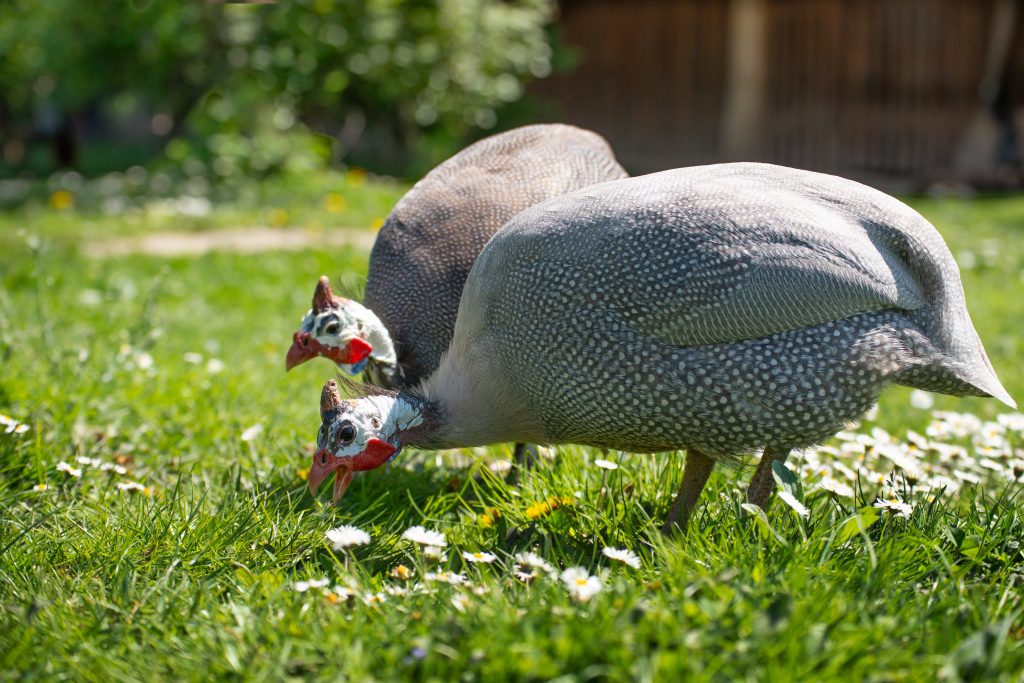
Two quinea fowls at poultry yard on green grass

What Eats the Most Ticks?

What Animals Eat Ticks? Nature’s Built-In Tick Control Nature has built-in tick control. Opossums, guinea fowl, and other animals may reduce tick populations. But prevention and early symptom recognition still matter most. What animals eat ticks? While ticks may seem unstoppable, nature has built-in defenses against them. Several animals help control tick populations naturally by

What Eats the Most Ticks? Read More »

POTS and Lyme Disease: Symptoms

Can Lyme Disease Cause Anxiety, Depression, or OCD?

Can Lyme Disease Cause Anxiety, Depression, or OCD? Psychiatric symptoms may occur with Lyme disease Neurologic and autonomic symptoms may overlap Misdiagnosis can delay recovery Lyme disease psychiatric symptoms are frequently mistaken for primary mental illness. Anxiety, obsessive-compulsive symptoms, depression, irritability, personality changes, and cognitive dysfunction have all been described in patients with Lyme disease

Can Lyme Disease Cause Anxiety, Depression, or OCD? Read More »

WHERE TICKS DON’T THRIVE

Where Ticks Don’t Thrive

Where Ticks Don’t Thrive Ticks are resilient parasites that feed on the blood of animals and humans. Understanding where ticks live—and where they struggle to survive—can help reduce your risk of exposure. While ticks are well known for surviving in many environments, they are not invincible. Ticks have specific environmental needs, and knowing which settings

Where Ticks Don’t Thrive Read More »