Contact us at 914-666-4665

Filter posts by category

Lyme Science Blog

Why I Don’t Start with IV Rocephin for Chronic Lyme

Why I Don’t Start with IV Rocephin for Chronic Lyme Intravenous (IV) Rocephin, or ceftriaxone, is often viewed as the gold standard for late-stage Lyme disease. And yes, it has an important role. But in my practice, I don’t routinely start with IV treatment—even for patients with chronic manifestations like fatigue, brain fog, nerve pain, […]

Why I Don’t Start with IV Rocephin for Chronic Lyme Read More »

Should I Be Taking Probiotics While I’m on Antibiotics for Lyme?

Should I Be Taking Probiotics While I’m on Antibiotics for Lyme?

Should I Be Taking Probiotics While I’m on Antibiotics for Lyme? As part of their treatment for Lyme disease, many patients are prescribed multiple rounds or combinations of antibiotics. At some point, they ask: “Will these antibiotics hurt my gut? Should I be taking probiotics too?” It’s a common question—and a smart one. The short

Should I Be Taking Probiotics While I’m on Antibiotics for Lyme? Read More »

Forget the Rash: These Are the First Symptoms of Lyme Disease.

Forget the Rash: These Are the First Symptoms of Lyme Disease

Forget the Rash: These Are the First Symptoms of Lyme Disease Patients with Lyme disease rarely walk into a clinic with the classic bull’s-eye rash or a clear memory of a tick bite. Instead, they often present with vague, nonspecific symptoms that are easy to overlook — especially when laboratory tests are negative or equivocal.

Forget the Rash: These Are the First Symptoms of Lyme Disease Read More »

Lyme disease triggers herxheimer reaction in infant

Lyme disease triggers herxheimer reaction in infant When a 21-day-old infant developed a fever and rapid heartbeat just hours after receiving antibiotics for Lyme disease, doctors were faced with a critical question: Was it sepsis—or something else? Could it possibly be a Herxheimer reaction? This case highlights a rare but important phenomenon: a Herxheimer reaction

Lyme disease triggers herxheimer reaction in infant Read More »

She Was Told To Wait. Then Told It Was PTLDS. But Her Lyme Infection Never Left.

She Was Told To Wait. Then Told It Was PTLDS. But Her Lyme Infection Never Left. Lyme disease triggers herxheimer reaction in infantA “wait and see” approach in managing Lyme disease can have long-lasting consequences, sometimes resulting in months or even years of unnecessary suffering. In this case, a woman was diagnosed with Post-Treatment Lyme

She Was Told To Wait. Then Told It Was PTLDS. But Her Lyme Infection Never Left. Read More »

Mold Treatment and Lyme Disease: My Common-Sense Take"

Mold Treatment and Lyme Disease: My Common-Sense Take

Mold Treatment and Lyme Disease: My Common-Sense Take It’s a fair concern. Mold toxicity has received growing attention, and some patients with chronic Lyme disease are told that mold is the real issue—or that detoxing from mold is the missing link. But in my experience, treating mold without addressing a persistent tick-borne infection seldom leads

Mold Treatment and Lyme Disease: My Common-Sense Take Read More »

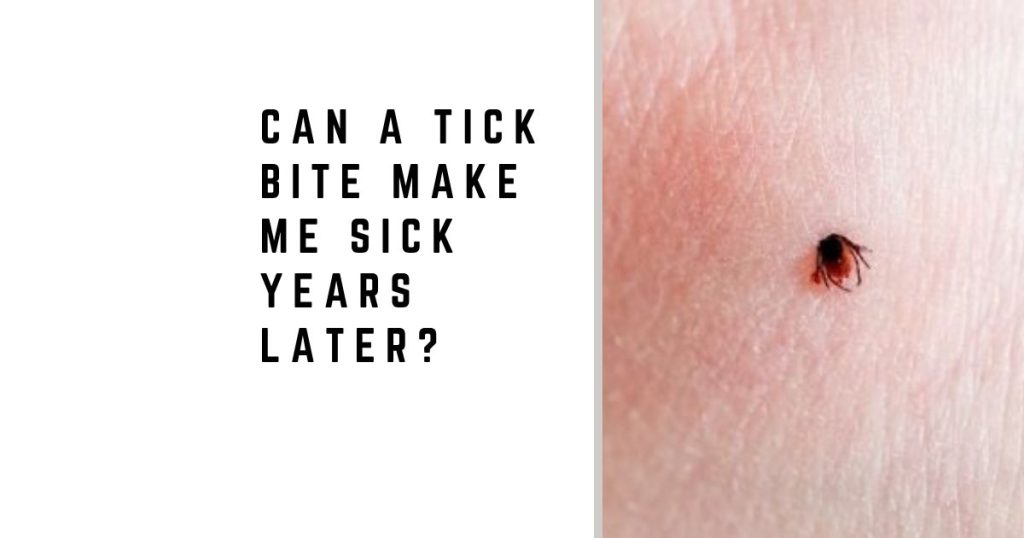
What Happens if a Tick’s Mouthparts Stay in Your Skin?

What Happens if a Tick’s Mouthparts Stay in Your Skin?

What Happens if a Tick’s Mouthparts Stay in Your Skin? It’s not uncommon for the mouthparts of a tick to break off and remain in the skin after removal. Fortunately, this rarely increases the risk of infection, including Lyme disease. Do Tick Mouthparts Increase Risk? No. If the tick’s body is removed, the risk of

What Happens if a Tick’s Mouthparts Stay in Your Skin? Read More »

Should I Worry About Herxing? My Answer for Lyme Patients

Should I Worry About Herxing? My Answer for Lyme Patients

Should I Worry About Herxing? My Answer for Lyme Patients After 37 years treating Lyme disease, one of the biggest concerns patients have when beginning treatment is whether they will have a Herxheimer reaction. In fact, it’s one of the most common questions I hear in my practice: “What if I Herx?” A Herxheimer reaction

Should I Worry About Herxing? My Answer for Lyme Patients Read More »