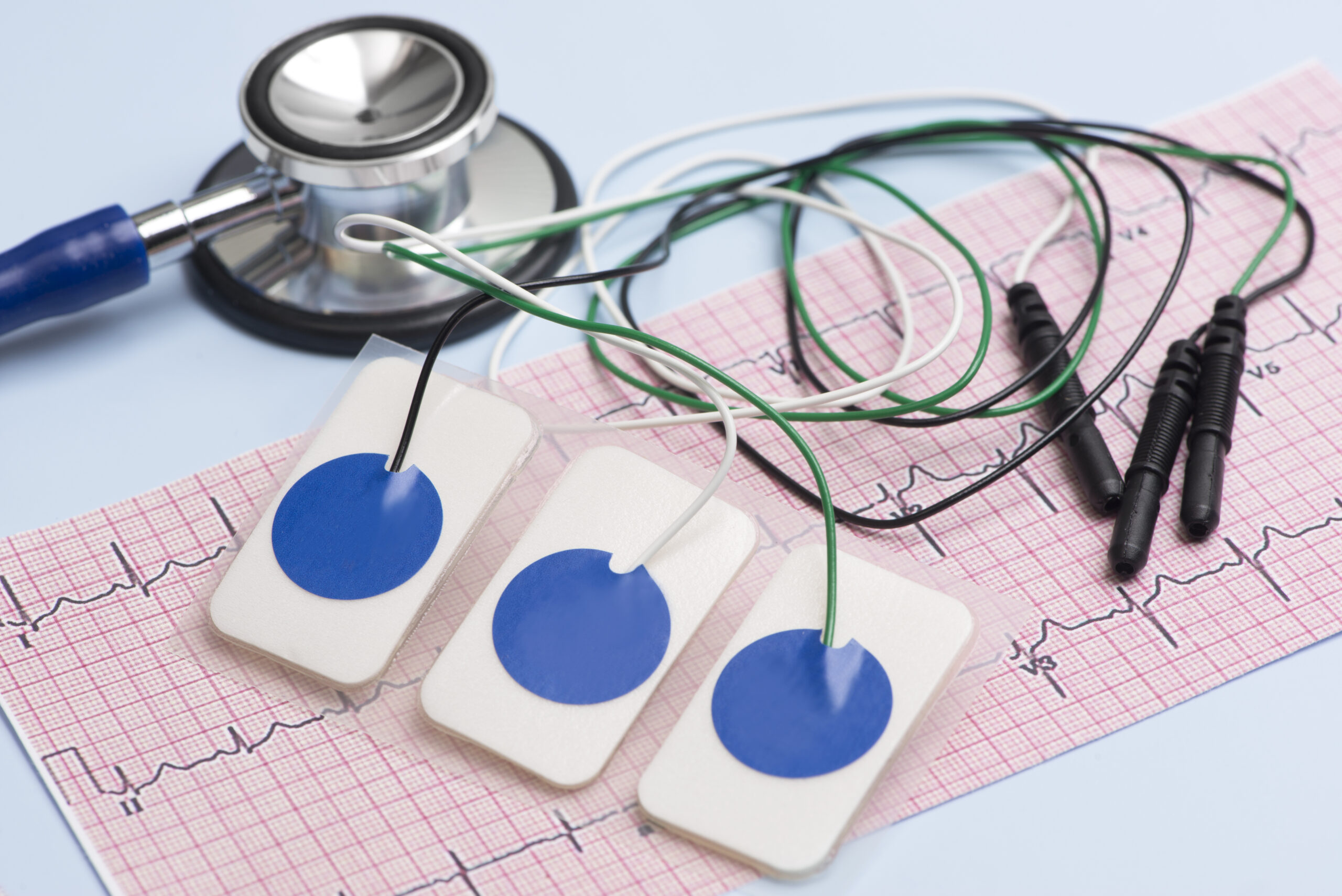
heart test, cardiac, ekg
Lyme Science Blog
Nov 30

Lyme disease induces severe cardiac problems in 15-year-old boy

Like
Visited 426 Times, 3 Visits today

Severe Lyme carditis in an adolescent can present with life-threatening arrhythmias requiring emergency intervention. A 15-year-old boy with heart rate of 300 beats per minute and ventricular tachycardia needed multiple cardioversions and temporary pacing. Yet after antibiotic treatment, his heart block completely resolved and he remained symptom-free at one-year follow-up — demonstrating the reversible nature of even the most severe pediatric Lyme carditis cases.

Emergency Presentation

Medics found the boy to be pale, with a heart rate of 300 beats per minute and unstable regular wide complex tachyarrhythmia (WCT). He was given a dose of amiodarone but remained in ventricular tachycardia.

This presentation was immediately life-threatening. A heart rate of 300 beats per minute is so fast that the ventricles cannot fill adequately between beats, severely compromising cardiac output. Wide complex tachycardia indicates the rapid rhythm originated in the ventricles themselves — a more dangerous source than supraventricular arrhythmias.

Ventricular tachycardia at this rate can deteriorate into ventricular fibrillation and cardiac arrest within minutes. The fact that amiodarone (a powerful antiarrhythmic medication) failed to control the rhythm indicated severe electrical instability.

Hospital Deterioration

At the hospital his blood pressure dropped to 66/30 mm Hg and his dizziness and shortness of breath worsened. “After a trial of anti-arrhythmic medication, his clinical condition declined, necessitating synchronized cardioversion,” writes Nawrocki.

The blood pressure of 66/30 was critically low — normal for a teenager would be approximately 110/70. At this pressure, vital organs including the brain, kidneys, and heart itself were inadequately perfused. The worsening dizziness reflected inadequate blood flow to the brain.

Synchronized cardioversion means the medical team delivered electrical shocks to the heart, timed with the cardiac cycle, to reset the rhythm. This is an emergency procedure used when medications fail and the patient is hemodynamically unstable.

Transfer and Diagnosis

After stabilizing the patient, he was transferred to a cardiac intensive care unit (ICU) at a children’s hospital, where he was diagnosed with third-degree heart block after ventricular tachycardia.

This sequence is unusual and significant. The boy presented with ventricular tachycardia — an abnormally fast rhythm. After cardioversion, he developed third-degree (complete) heart block — an abnormally slow rhythm or complete absence of conduction. The swing from one extreme to the other demonstrates profound electrical instability throughout the cardiac conduction system.

Lyme carditis affecting both the sinus node (causing bradycardia/block) and the ventricles (causing tachycardia) simultaneously is uncommon but documented. The spirochetes had infiltrated multiple areas of the heart’s electrical system.

Empiric Treatment Initiated

Doctors suspected Lyme disease, and prescribed an empiric course of intravenous ceftriaxone 2 grams once daily. The diagnosis was confirmed by the Western blot.

The decision to treat empirically — before diagnostic confirmation — was correct and likely life-saving. When young patients present with unexplained severe cardiac arrhythmias, waiting for Lyme test results before starting antibiotics is dangerous.

The Western blot confirmation validated the clinical suspicion, but treatment had already begun based on clinical presentation alone.

Temporary Pacing Required

“Because of ongoing bradycardia and hypotension, he underwent placement of a transvenous pacemaker for rate control,” writes Nawrocki.

After the ventricular tachycardia resolved, the boy was left with severe bradycardia (slow heart rate) from third-degree heart block. His blood pressure remained low because his heart rate was too slow to maintain adequate cardiac output. The temporary pacemaker provided artificial electrical stimulation to maintain a heart rate sufficient for adequate blood pressure.

Recurrent Arrhythmias During Treatment

Three additional episodes of ventricular tachycardia occurred, two requiring cardioversion.

Despite being on appropriate antibiotics with a pacemaker in place, the boy continued to have breakthrough ventricular tachycardia requiring electrical cardioversion. This demonstrates that cardiac electrical instability can persist for days even after treatment begins, as spirochetes die off and inflammation gradually resolves.

The recurrence of life-threatening arrhythmias after treatment initiation underscores why close cardiac monitoring in an ICU setting was essential. Had this patient been managed as an outpatient, these episodes could have been fatal.

Resolution and Recovery

But after several days of intravenous antibiotics, the boy’s heart block gradually resolved and the pacemaker was removed.

The word “gradually” is important. This wasn’t an overnight improvement but a progressive resolution over days as antibiotics killed spirochetes and cardiac inflammation subsided. Once the heart block resolved and his intrinsic heart rate returned to normal, the temporary pacemaker could be safely removed.

He was discharged on day 12 and “was reportedly doing well at the 1-year follow-up without any sequelae of his acute illness,” writes Nawrocki.

The one-year follow-up is particularly significant for a pediatric patient. No sequelae (lasting effects) means no permanent cardiac damage, no need for ongoing medications, no activity restrictions, and no increased risk of future cardiac problems. Complete recovery.

Appropriate Hospital Management

“Our case report describes the successful and appropriate hospital management of a patient with advanced Lyme disease causing cardiac conduction abnormalities,” the authors write.

Let’s break down what “appropriate management” meant in this case:

  • Emergency stabilization: Immediate cardioversion when medications failed
  • Transfer to specialized care: Cardiac ICU at children’s hospital
  • Empiric antibiotic treatment: Started before diagnostic confirmation
  • Temporary pacing: Avoided permanent pacemaker in 15-year-old
  • Close monitoring: ICU setting to catch and treat recurrent VT
  • Patience: Allowed days for antibiotics to work before considering permanent interventions

Each decision prioritized the patient’s long-term outcome while managing immediate life-threatening complications.

What Makes This Case Particularly Severe

Several factors distinguish this as an unusually severe presentation of Lyme carditis:

1. Ventricular tachycardia at 300 bpm: Rare in Lyme carditis, which typically presents with bradycardia and heart block rather than tachyarrhythmias

2. Refractory to medications: Amiodarone and other antiarrhythmics failed, requiring electrical cardioversion

3. Hemodynamic instability: Blood pressure 66/30 indicated cardiogenic shock

4. Both tachycardia and bradycardia: Swinging between dangerously fast and dangerously slow rhythms

5. Recurrent VT during treatment: Three additional episodes despite antibiotics and pacemaker

6. Young age: 15 years old — within the high-risk demographic but with particularly severe manifestations

Clinical Perspective

This case demonstrates why severe Lyme carditis in adolescents requires aggressive management in specialized centers. The boy presented with life-threatening ventricular tachycardia that could have killed him within minutes. The emergency team’s quick action with cardioversion stabilized him initially.

But the transfer to a pediatric cardiac ICU proved essential. Over the following days, he had three more episodes of VT, two requiring cardioversion. Without continuous cardiac monitoring and immediate access to cardioversion capability, these episodes could have been fatal.

The decision to use temporary pacing rather than immediately implanting a permanent pacemaker was wise. A 15-year-old with a permanent pacemaker faces 60+ years of device complications, generator replacements, lead failures, and psychological burden. The temporary approach gave his heart time to recover, and indeed his heart block resolved completely.

The one-year follow-up showing no sequelae is the most important outcome. This teenager can play sports, live normally, and has no increased cardiac risk going forward. He’s not dependent on medications or devices. The aggressive short-term management preserved long-term quality of life.

This case also reinforces that Lyme carditis can be immediately life-threatening in children and adolescents. The assumption that pediatric Lyme disease is mild or self-limiting is dangerous. This boy presented in cardiogenic shock requiring multiple emergency interventions. Without recognition and treatment, he would have died.

The complete recovery demonstrates why recognition matters so much. Lyme carditis is reversible. Even severe cases with ventricular tachycardia and complete heart block can resolve completely with appropriate treatment. But only if the diagnosis is made and antibiotics are started before irreversible damage occurs or fatal arrhythmias kill the patient.

Frequently Asked Questions

Can Lyme disease cause ventricular tachycardia in teenagers?

Yes, though it’s uncommon. This 15-year-old presented with VT at 300 bpm. Lyme carditis can cause various arrhythmias including ventricular tachycardia, though heart block is more typical.

Why did the patient swing from fast to slow heart rhythms?

Lyme spirochetes infiltrated multiple areas of his cardiac conduction system, causing both ventricular tachycardia (fast) and third-degree heart block (slow). This demonstrates widespread electrical instability from Lyme carditis.

Can adolescents fully recover from severe Lyme carditis?

Yes. This patient had complete recovery with no lasting effects at one-year follow-up. Even severe cases with ventricular tachycardia and complete heart block can resolve completely with appropriate antibiotic treatment.

Do children with Lyme carditis need permanent pacemakers?

Usually not. This patient needed temporary pacing for several days, but his heart block resolved and the pacemaker was removed. Most pediatric Lyme carditis patients recover completely without permanent devices.

Why did VT episodes continue after antibiotics started?

Cardiac electrical instability can persist for days as spirochetes die off and inflammation gradually resolves. This is why close cardiac monitoring in ICU is essential — life-threatening arrhythmias can recur during early treatment despite appropriate antibiotics.

Is Lyme carditis more dangerous in children than adults?

The disease mechanism is similar, but children can present with severe manifestations as this case demonstrates. However, children may also recover more completely. This 15-year-old had no lasting effects despite severe initial presentation.

Should all pediatric Lyme carditis be managed in ICU?

Patients with high-degree heart block, hemodynamic instability, or complex arrhythmias should be in cardiac ICU. This patient required multiple cardioversions and close monitoring. Less severe cases may be managed on cardiac telemetry units, but young patients with significant conduction abnormalities warrant intensive monitoring.

References:
  1. Nawrocki PS, Poremba M. A 15-Year-Old Male With Wide Complex Tachyarrhythmia. Air Med J. 2018;37(6):383-387.

Related Posts

Leave a Comment

Your email address will not be published. Required fields are marked *