Powassan Virus Symptoms: How It Differs From Lyme Disease
Powassan virus symptoms can become severe
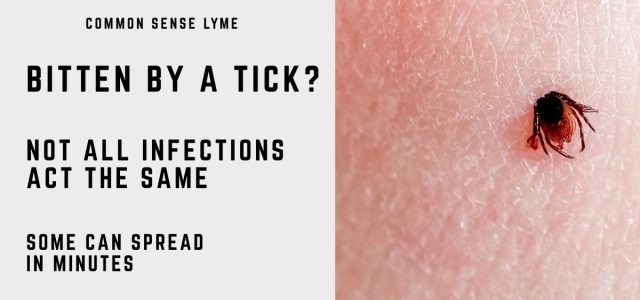
Transmission may occur much faster than Lyme disease
Early recognition and prevention are essential
Powassan virus symptoms can range from a mild fever and headache to severe encephalitis, seizures, and permanent neurologic injury. Although rare, Powassan virus is one of the most serious tick-borne infections in North America.
Powassan virus and Lyme disease are transmitted by the same Ixodes ticks—but the infections behave very differently.
While Lyme disease typically requires prolonged tick attachment, Powassan virus may be transmitted much more rapidly and can lead to severe neurologic disease.
Powassan virus is a rare but serious tick-borne infection that can cause encephalitis, permanent neurologic injury, or death—and there is currently no specific antiviral treatment.
Learn more about Powassan virus.
Why Powassan virus differs from Lyme disease
Both infections are transmitted by Ixodes ticks, but their transmission patterns differ significantly.
- Lyme disease typically requires 24–48 hours of attachment.
- Powassan virus may be transmitted within minutes of tick attachment.
Experimental studies suggest Powassan virus may be transmitted within minutes of tick attachment, although the exact time can vary. This is substantially faster than Lyme disease, in which transmission generally becomes more likely after a longer period of attachment.
This difference changes how clinicians think about risk.
Early tick removal lowers Lyme disease risk—but may not fully prevent Powassan virus transmission.
What is Powassan virus?
Powassan virus is a flavivirus related to West Nile, dengue, and Zika viruses.
It is transmitted by:
- blacklegged (deer) ticks
- groundhog ticks
Once transmitted, the virus may invade the central nervous system and cause:
- encephalitis (brain inflammation)
- meningitis
Illness severity ranges from mild symptoms to life-threatening neurologic disease.
Powassan virus symptoms
Many Powassan virus infections are mild or asymptomatic.
However, a subset of patients develop severe neurologic illness.
Symptoms typically appear 1–4 weeks after a tick bite and may include:
- fever
- headache
- vomiting
- weakness
- confusion
- loss of coordination
- difficulty speaking
- seizures
Neurologic symptoms may progress rapidly and require urgent medical evaluation.
Long-term neurologic effects
Among patients with severe infection, long-term complications may occur.
These include:
- memory impairment
- chronic headaches
- weakness or muscle wasting
- coordination problems
- recurrent seizures
Some survivors experience persistent neurologic deficits that require prolonged rehabilitation. These potential complications distinguish severe Powassan virus infection from many other tick-borne illnesses.
Is there a treatment or cure for Powassan virus?
Powassan virus is a viral infection, so antibiotics are ineffective.
There is currently no specific antiviral treatment or cure for Powassan virus. Management is supportive and focuses on treating complications while the body’s immune system clears the infection.
Treatment may include:
- hospitalization
- intravenous fluids
- respiratory support when needed
- medications to reduce brain swelling
- anti-seizure therapy
Patients with suspected encephalitis or meningitis should be evaluated promptly because early supportive care may improve outcomes.
Powassan virus and Lyme disease coinfection
Because both infections are transmitted by the same Ixodes ticks, coinfection is possible.
In these cases:
- Lyme disease symptoms may appear first.
- Neurologic symptoms from Powassan virus may develop days to weeks later.
The distinction is important because the two infections require very different management.
- Lyme disease responds to antibiotics.
- Powassan virus does not respond to antibiotics and requires supportive care.
This difference becomes critical when evaluating progressive neurologic symptoms after a tick bite.
For related tick-borne infections, visit Lyme coinfections.
Why diagnosis is challenging
Powassan virus is rare and may not be considered early in the illness.
Diagnosis generally requires specialized laboratory testing, which may not be immediately available in every medical center.
By the time testing confirms the diagnosis, neurologic injury may already have occurred.
This makes prevention especially important.
Prevention is critical
Because there is no specific antiviral therapy, preventing tick bites is essential.
Prevention strategies include:
- using EPA-approved insect repellents
- wearing protective clothing
- treating clothing with permethrin
- performing thorough tick checks
- showering after outdoor exposure
Do not wait 24 hours to check for ticks.
Because Powassan virus may be transmitted much more rapidly than Lyme disease, finding and removing ticks as soon as possible remains an important preventive measure, even though early removal cannot eliminate the risk completely.
Learn more about Lyme disease prevention.
How common is Powassan virus?
Powassan virus remains uncommon compared with Lyme disease. Most years, only a small number of confirmed human cases are reported in the United States.
However, public health experts believe mild or asymptomatic infections may be underrecognized because many people are never tested. Most reported cases involve severe neurologic disease requiring hospitalization.
Where Powassan virus is found
Powassan virus occurs primarily in:
- the northeastern United States
- the Great Lakes region
- parts of Canada
These regions overlap substantially with Lyme disease endemic areas.
Reported cases appear to be increasing, although the infection remains rare.
What CDC surveillance suggests
Powassan virus exposure may be more common than recognized, while reported cases often reflect the most severe neurologic presentations.
According to CDC ArboNET surveillance data, most reported Powassan virus cases involve neuroinvasive disease.
This suggests milder or asymptomatic infections may be underrecognized.
Although serious illness remains uncommon, the potential for severe neurologic complications—and death—remains clinically important.
Frequently Asked Questions
What is Powassan virus?
Powassan virus is a rare tick-borne flavivirus that can cause encephalitis or meningitis.
Can Powassan virus spread faster than Lyme disease?
Yes. Powassan virus may be transmitted within minutes of tick attachment, unlike Lyme disease, which generally requires a longer period of attachment before transmission becomes likely.
Is Powassan virus deadly?
Most people infected with Powassan virus do not develop severe illness. However, patients who develop encephalitis or meningitis can experience permanent neurologic disability, and some cases are fatal.
Is there a treatment for Powassan virus?
No specific antiviral treatment currently exists. Care is primarily supportive.
Can someone have both Powassan virus and Lyme disease?
Yes. Coinfection is possible because both infections may be transmitted by the same tick species.
Clinical Takeaway
Powassan virus is an uncommon but potentially devastating tick-borne infection. Unlike Lyme disease, it may be transmitted much more rapidly after tick attachment, can cause severe encephalitis or meningitis, and currently has no specific antiviral treatment.
Recognizing Powassan virus symptoms, preventing tick bites, and seeking prompt medical evaluation for neurologic symptoms after a tick bite remain the best strategies for reducing the risk of serious complications.
Related Articles
These articles provide additional information on Powassan virus, tick-borne infections, neurologic complications, prevention, and what to do after a tick bite.
Powassan encephalitis: How fast can a tick cause brain infection?
Lyme disease coinfections
What to do after a tick bite
Neurologic Lyme disease
Delayed Lyme disease diagnosis
References
- Centers for Disease Control and Prevention. Powassan virus. Accessed 2026.
- Centers for Disease Control and Prevention. Powassan virus surveillance and historic data. Accessed 2026.
- Hermance ME, Thangamani S. Powassan virus: An emerging arbovirus of public health concern in North America. Vector-Borne and Zoonotic Diseases. 2017;17(7):453-462.
- Kemenesi G, Bányai K. Tick-borne flaviviruses, with a focus on Powassan virus. Clinical Microbiology Reviews. 2019;32(1):e00106-17.
- Ebel GD. Update on Powassan virus: Emergence of a North American tick-borne flavivirus. Annual Review of Entomology. 2012;57:95-110.
- Piantadosi A, Rubin DB, McQuillen DP, et al. Emerging cases of Powassan virus encephalitis in New England. Clinical Infectious Diseases. 2016;62(6):707-713.
Dr. Daniel Cameron, MD, MPH
Lyme disease clinician with over 30 years of experience and past president of ILADS.
Symptoms • Testing • Coinfections • Recovery • Pediatric • Prevention