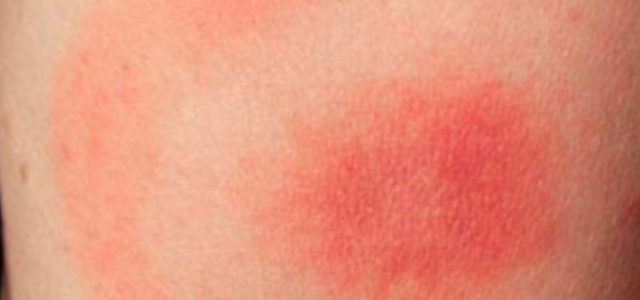
Skin Symptoms of Lyme Disease
Skin symptoms of Lyme disease are often the earliest signs of infection. Many patients develop rashes or other skin changes after a tick bite, although these symptoms may vary widely in appearance.
The most recognized skin manifestation of Lyme disease is erythema migrans, a rash that may expand over time. However, not all Lyme rashes have the classic bull’s-eye appearance. Some patients develop solid red patches, multiple lesions, or unusual rash patterns that can be mistaken for other conditions.
This page highlights common skin manifestations associated with Lyme disease and links to clinical articles discussing these symptoms in greater detail.
Common Skin Symptoms of Lyme Disease
- Erythema migrans (expanding rash)
- Bull’s-eye rash
- Solid red rash or patch
- Multiple rashes appearing on the body
- Tick bite reactions
- Skin irritation or inflammation near the bite
Some patients never notice a rash, while others develop skin findings that are easily mistaken for insect bites, allergic reactions, or fungal infections.
Skin Symptom Patterns
Skin symptoms of Lyme disease often appear in recognizable patterns depending on the stage of infection and the immune response of the patient.
- Single expanding rash – the classic erythema migrans lesion that gradually enlarges over days or weeks.
- Atypical rash patterns – solid red patches, oval lesions, or rashes without central clearing that do not resemble the classic bull’s-eye.
- Multiple skin lesions – disseminated Lyme infection may produce multiple erythema migrans lesions appearing on different parts of the body.
- Tick bite reactions – localized irritation or inflammation at the site of a tick bite, which may or may not represent early infection.
Because Lyme rashes vary widely in appearance, early skin findings are sometimes overlooked or misinterpreted.
Articles on Skin Symptoms of Lyme Disease
- Erythema migrans rash
- Lyme disease rash without bull’s-eye
- Multiple rashes in Lyme disease
- Tick bite reactions and Lyme disease
- Early skin signs of Lyme disease
Why Lyme Disease Rashes Are Often Missed
Many people expect the classic bull’s-eye rash when they think of Lyme disease. In reality, Lyme rashes vary greatly in appearance and may be mistaken for spider bites, cellulitis, ringworm, or allergic reactions.
Because the rash can be subtle or overlooked, early Lyme disease may go unrecognized. To learn more about diagnostic challenges, see our page on Lyme disease misdiagnosis.
When a rash appears after tick exposure, clinicians may consider Lyme disease testing and evaluation. For more information, see Lyme disease test accuracy.
Related Hubs
- Lyme Disease Symptoms Guide
- Neurologic Lyme Disease
- Musculoskeletal Symptoms
- Lyme Disease Fatigue
- Autonomic Dysfunction
- Persistent Lyme Disease Mechanisms
Editor’s note: Skin findings are among the earliest clues to Lyme disease, but the rash does not always appear in the classic form shown in textbooks.
Dr. Daniel Cameron, MD, MPH
Lyme disease clinician with over 30 years of experience and past president of ILADS.
Symptoms • Testing • Coinfections • Recovery • Pediatric • Prevention