
Contact us at 914-666-4665

Dr. Daniel Cameron

Board-certified physician with 38+ years specializing in Lyme disease and tick-borne illnesses. Past President of ILADS (International Lyme and Associated Diseases Society) and first author of ILADS treatment guidelines. Dr. Cameron operates a solo practice focused on patient advocacy and evidence-based Lyme disease treatment. He is the author of 1,100+ articles spanning diagnosis, treatment, co-infections, and recovery from tick-borne illnesses. His work challenges conventional approaches that often leave patients undiagnosed or undertreated, emphasizing clinical judgment over rigid adherence to testing criteria that frequently produce false negatives.

Dr. Daniel Cameron

Depression in Lyme Disease Patients: A Common but Overlooked Symptom

Depression in Lyme Disease Patients: A Common but Overlooked Symptom Depression is a frequent but often underrecognized feature of Lyme disease. Zomer and colleagues found that approximately 1 in 5 patients referred to a tertiary Lyme center in the Netherlands were diagnosed with both Lyme disease and depression. Findings from the Study The study evaluated […]

Depression in Lyme Disease Patients: A Common but Overlooked Symptom Read More »

Pseudotumor Cerebri in Lyme Disease: A Pediatric Case

Pseudotumor Cerebri in Lyme Disease: A Pediatric Case Lyme disease can present with neurologic symptoms that are easily overlooked. In rare cases, it may mimic pseudotumor cerebri in children. What Is Pseudotumor Cerebri? Pseudotumor cerebri is characterized by increased intracranial pressure without an identifiable mass or structural cause. Symptoms may include severe headaches, nausea, vomiting,

Pseudotumor Cerebri in Lyme Disease: A Pediatric Case Read More »

Lyme neuroborreliosis in children symptoms

Lyme Neuroborreliosis in Children: A Case of Stroke and Aneurysms

Lyme Neuroborreliosis in Children: A Case of Stroke and Aneurysms Lyme neuroborreliosis in children can present with a wide range of neurologic symptoms—some of which are uncommon and easily missed. Neurologic Lyme Disease in Children Lyme neuroborreliosis in children may present with meningitis, facial nerve palsy, radiculopathy, and less commonly seizures, stroke, or aneurysms. The

Lyme Neuroborreliosis in Children: A Case of Stroke and Aneurysms Read More »

Persister Cells in Lyme Disease: Why Treatment May Fall Short

Persister Cells in Lyme Disease: Why Treatment May Fall Short Why do some Lyme disease patients remain ill despite appropriate antibiotic treatment? One explanation under investigation is the presence of persister cells in Lyme disease—a phenomenon increasingly recognized across microbiology. “Though its applicability to B. burgdorferi has been controversial, persistence is a widely accepted phenomenon

Persister Cells in Lyme Disease: Why Treatment May Fall Short Read More »

neonatal babesiosis

Neonatal Babesiosis: Transfusion Risk in Premature Infants

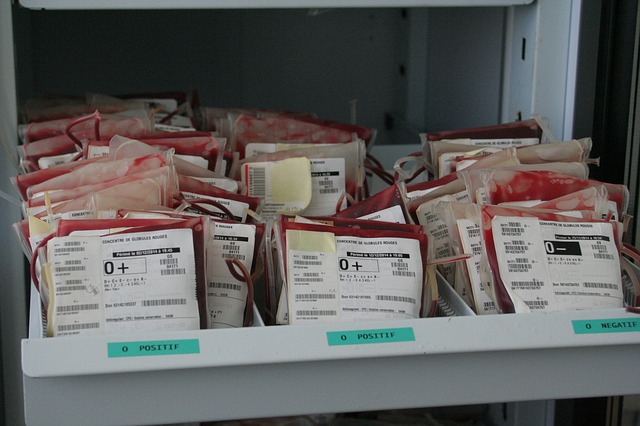
Neonatal Babesiosis: Transfusion Risk in Premature Infants Can a single blood donor transmit infection to multiple newborns? Neonatal babesiosis is a rare but serious threat—particularly in premature infants receiving transfusions. Researchers at Yale School of Medicine described three premature infants in one neonatal intensive care unit who contracted Babesia from a single 24-year-old donor. The

Neonatal Babesiosis: Transfusion Risk in Premature Infants Read More »

tick bite red meat allergy

Tick Bite Red Meat Allergy: Alpha-Gal and Emerging European Risk

Tick Bite Red Meat Allergy: Alpha-Gal and Emerging European Risk Can a tick bite trigger a food allergy hours after eating? A tick bite red meat allergy—known as alpha-gal syndrome—has been linked to the Lone Star tick in the United States and may now involve European tick species as well. Alpha-gal is a sugar molecule

Tick Bite Red Meat Allergy: Alpha-Gal and Emerging European Risk Read More »

Congenital Babesiosis: Transmission Risk in Infants of Mothers with Lyme

Congenital Babesiosis: Transmission Risk in Infants of Mothers with Lyme Can Babesia be passed from mother to infant during pregnancy? Congenital babesiosis is rare but clinically significant. Two infants born to mothers with Lyme disease during pregnancy developed Babesia infections, highlighting the risk of unrecognized coinfection. These represent the first reported cases in which mothers

Congenital Babesiosis: Transmission Risk in Infants of Mothers with Lyme Read More »

Borrelia miyamotoi Canada

Borrelia miyamotoi in Canada: 10% Infection Rate Raises Coinfection Concerns

Borrelia miyamotoi in Canada: 10% Infection Rate Raises Coinfection Concerns Borrelia miyamotoi Canada cases may be more common than previously recognized. In a study from Manitoba, Kadkhoda and colleagues tested blood samples from 250 individuals with suspected or confirmed Lyme disease. Samples were collected between 2011 and 2014. The results were notable: 10% of participants

Borrelia miyamotoi in Canada: 10% Infection Rate Raises Coinfection Concerns Read More »

Babesia microti in Suffolk County: High Prevalence in Ticks

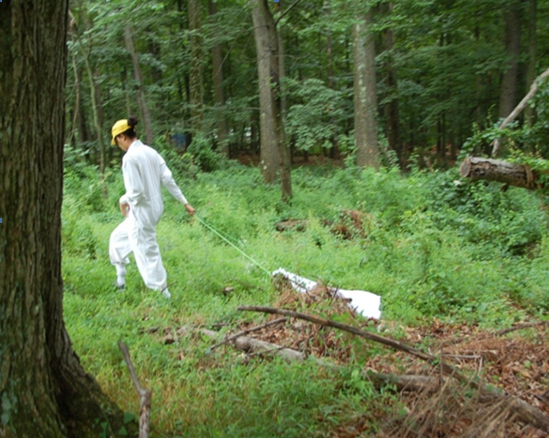
Babesia microti in Suffolk County: High Prevalence in Ticks Babesia microti Suffolk County infections are a growing concern, with tick surveillance studies showing high prevalence across multiple sites in New York and Connecticut. Babesia microti is a growing concern in Suffolk County, New York. Ticks were collected in 2015 and 2016 by tick dragging at

Babesia microti in Suffolk County: High Prevalence in Ticks Read More »

Ketamine for PTLDS Pain: Can It Help Refractory Lyme Symptoms?

Ketamine for PTLDS Pain: Can It Help Refractory Lyme Symptoms? Ketamine PTLDS pain management may offer relief for patients with refractory symptoms when standard therapies fail. A 31-year-old woman with post-treatment Lyme disease syndrome (PTLDS) had pain that was refractory to radiofrequency ablation, vitamin infusion therapy, opioid analgesics, and other pharmacotherapies. Her pain began gradually

Ketamine for PTLDS Pain: Can It Help Refractory Lyme Symptoms? Read More »